The Power of the Table of Contents
Introduction to Tables of Contents
Your Document's Roadmap
A Table of Contents, often called a TOC, is like a map for a document. It gives you a bird's-eye view of the content, showing you what's inside and where to find it. At its core, a TOC is a list of the chapter or section titles, arranged in the order they appear. Next to each title, you'll find the page number where that section begins.
This simple tool is essential for navigating long documents. Instead of flipping through dozens or even hundreds of pages to find a specific topic, you can just scan the TOC, find what you're looking for, and go directly to the right page. It provides structure and makes information accessible.
A Brief History
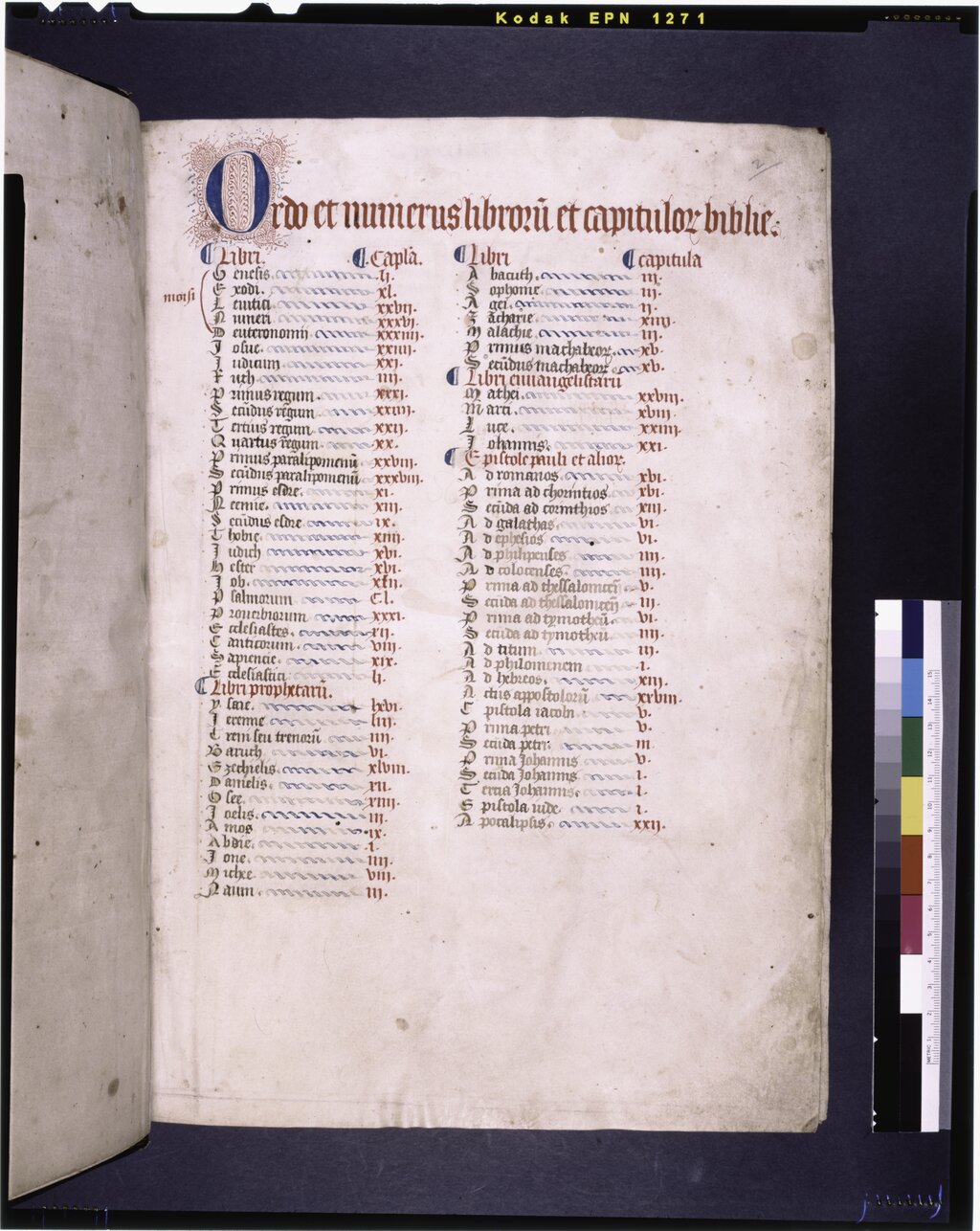
The idea of creating a guide to a document's contents isn't new. Early forms of tables of contents appeared in ancient manuscripts, where scribes would list key sections to help readers navigate dense texts. These were often called capitula, or chapter lists.
With the invention of the printing press in the 15th century, books became more widespread and standardized. The table of contents became a common feature, helping to organize growing volumes of knowledge. In the digital age, the TOC has evolved further. In e-books and websites, the page numbers are often replaced with hyperlinks. Clicking on a section title in a digital TOC instantly takes you to that part of the document.
The Building Blocks
A standard table of contents has a few key components that work together to create a clear outline of the document.
The main purpose of these elements is to create a clear hierarchy. You should be able to understand the document's structure just by looking at the TOC.
Headings are the titles of the main sections or chapters. They represent the highest level of organization in the document. For example, in a history book, the headings might be "Chapter 1: The Early Republic" and "Chapter 2: The Civil War."
Subheadings are used to break down the main sections into smaller, more specific topics. They are usually indented under their corresponding heading to show that they are part of that larger section. Under "Chapter 2: The Civil War," you might find subheadings like "Causes of the War" and "Major Battles."
Page Numbers (or hyperlinks) are the navigational glue. They connect the outline in the TOC to the actual content in the document, telling you exactly where each section starts.
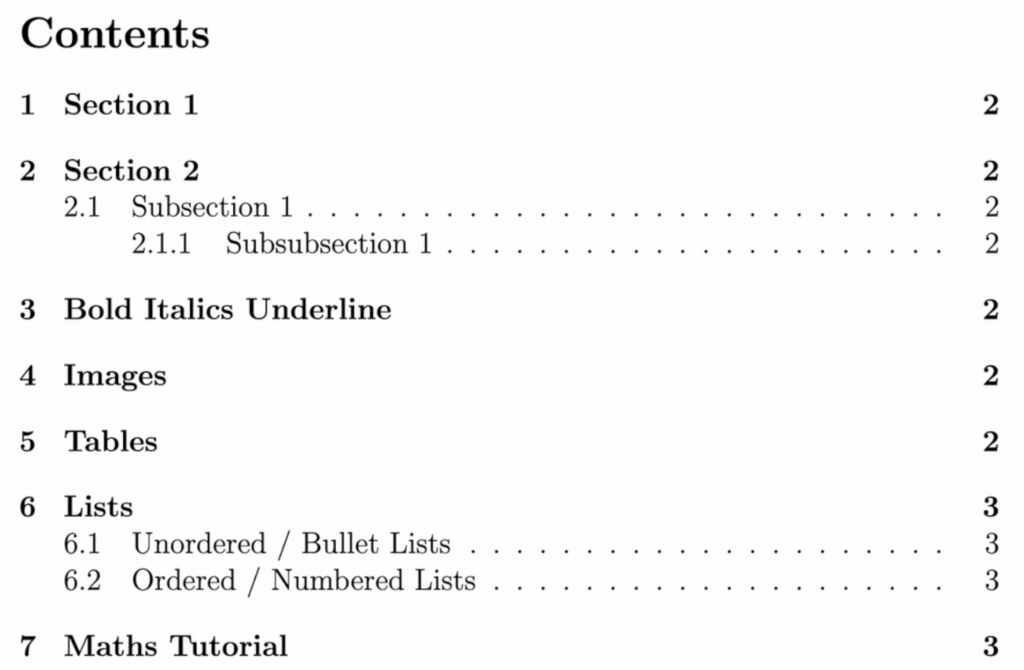
Together, these components provide a quick, scannable summary. Before you even start reading, the TOC gives you a solid understanding of the topics covered and how they relate to one another.
By skimming the headings and subheadings, you can develop a mental roadmap of what to expect.
Let's review the key ideas before you test your knowledge.
Ready to check your understanding?
What is the primary function of a Table of Contents?
In a Table of Contents, what are the titles that are typically indented under the main chapter titles called?