The Power of Slow in Team Leadership
Understanding the 'Slow to Go Fast' Principle
Going Slow to Go Fast
In leadership, the pressure to act quickly is constant. We often equate speed with progress. The instinct is to jump right in, start assigning tasks, and show immediate movement. But this rush can be a trap. The most effective teams often start by doing the opposite: they slow down.
We talk in our programs about going slow to go fast, an idea that seems counter-intuitive at first and then, over time, is so helpful that the leaders repeat the phrase again and again to each other.
The 'slow to go fast' principle is about deliberate preparation. It’s the idea that a strategic pause at the beginning of a project for planning, alignment, and clarification will result in much faster and more effective execution later on. Think of it like building a house. You could start nailing boards together on day one, but if you haven't measured the foundation or checked the blueprint, you’ll spend most of your time tearing things down and starting over. A careful week of planning can save months of rework.
The Power of the Pause
Slowing down at the start means taking the time to build a shared understanding. This phase is dedicated to asking critical questions:
- What is the ultimate goal we're trying to achieve?
- What does success look like, and how will we measure it?
- Who is responsible for each part of the project?
- What are the potential risks or obstacles we might face?
By answering these questions upfront, a leader ensures everyone on the team is rowing in the same direction. This initial investment in clarity and alignment prevents confusion, duplicated effort, and costly mistakes down the line. It transforms a group of individuals into a focused, cohesive unit.
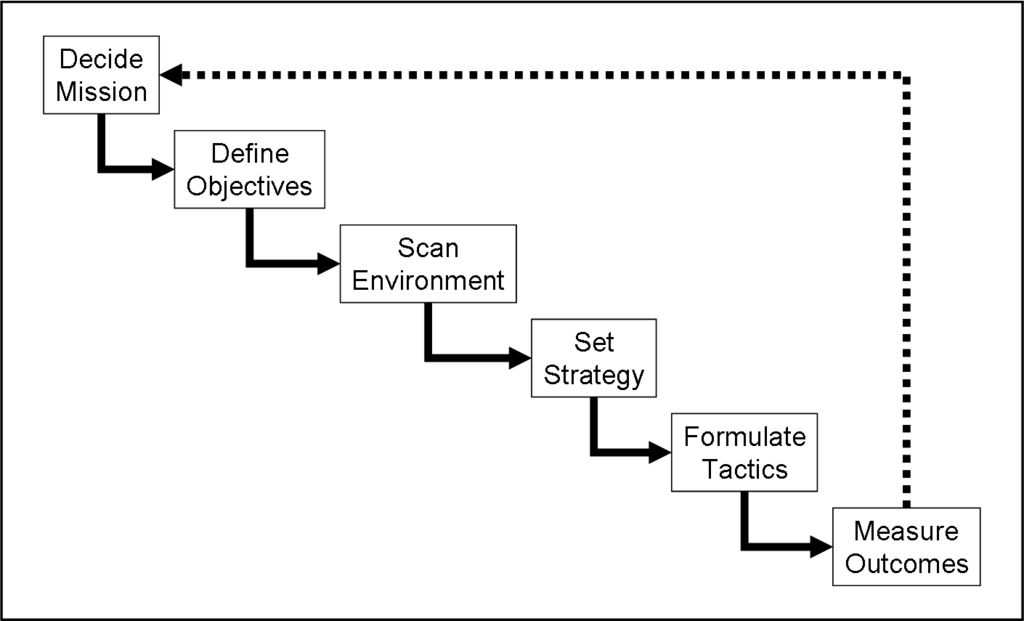
When a team has this solid foundation, they can move with speed and confidence. Team members are empowered to make decisions independently because they understand the overall strategy and their role within it. The leader doesn't need to micromanage because the direction is already clear. The result is a smooth, efficient workflow where progress accelerates over time.
Redefining Speed
A common misconception is that any form of slowing down is a sign of inefficiency. We're conditioned to see frantic activity as productivity. But motion and progress are not the same thing. Rushing often leads to burnout, sloppy work, and the need for constant corrections. This is a pattern of 'fast, then slow, then fast again' as teams lurch from one crisis to the next.
The 'slow to go fast' approach creates sustainable momentum. It's about effectiveness, not just speed. By front-loading the hard work of thinking and aligning, teams can achieve a state of flow where the actual execution is faster, smarter, and far more productive in the long run.
Time for a quick check-in on these concepts.
What is the primary goal of the 'slow to go fast' principle?
A new project manager is feeling pressure to show immediate results. According to the 'slow to go fast' principle, what is the most effective first step?
Ultimately, this principle is a shift in mindset. It redefines productivity from frantic activity to purposeful, aligned action. By taking the time to prepare, leaders set their teams up for a much faster journey to the finish line.