The Power of Reflection
Introduction to Reflection
What is Reflection?
Reflection is the act of looking inward. It’s a quiet moment you take to consciously think about your own thoughts, feelings, and actions. Instead of just letting experiences wash over you, reflection is the process of pausing to consider them. What did I do? Why did I do it? How did it make me feel? What could I have done differently? This kind of internal conversation is the foundation of self-awareness.
Reflection
noun
The conscious examination of one's own thoughts, feelings, and actions to achieve deeper understanding and self-awareness.
In psychology, reflection is seen as a key part of learning and cognitive development. It’s how we process experiences and connect new information to what we already know. Philosophically, it's a practice of self-inquiry, a way to explore our values, beliefs, and our place in the world. It’s not just about remembering an event; it's about dissecting it to find meaning.

Reflection has been described as a process that helps turn experience into knowledge (Gilbert & Trudel, 2001) and involves thought and exploration of a concept or event (Gray, 2007).
A Philosophical Tradition
The idea of reflection isn't new. For thousands of years, thinkers have championed the importance of the inner life. In Ancient Greece, Socrates famously stated that "the unexamined life is not worth living." He believed that true wisdom comes from questioning our own assumptions and beliefs. This Socratic method of questioning is a form of deep reflection.
Later, the Stoic philosophers, like Marcus Aurelius, used journaling as a form of daily reflection. They would write down their thoughts on the day's events, examining their reactions and reinforcing their commitment to living virtuously. This practice helped them maintain inner peace regardless of external circumstances.
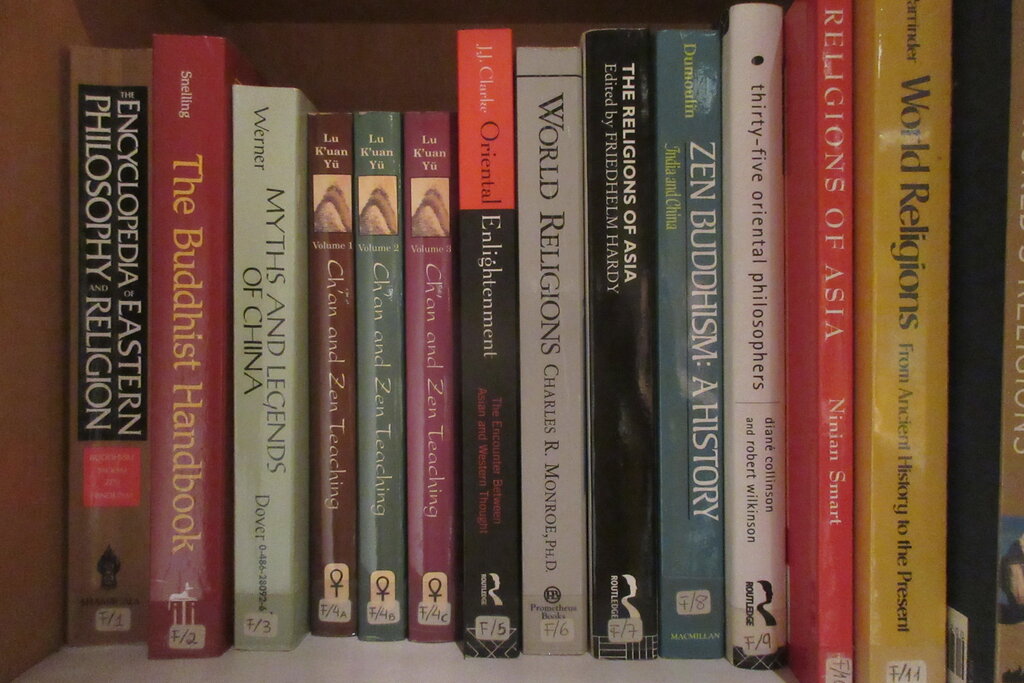
The concept also has deep roots in Eastern traditions. In Buddhism, mindfulness and meditation are practices centered on non-judgmental observation of one's own mind. This quiet, focused attention is a powerful form of reflection that aims to cultivate clarity and compassion.
The Engine of Personal Growth
So why is this ancient practice so important today? Reflection is the bridge between experience and understanding. Simply going through the motions of life doesn't guarantee growth. It's the act of reflecting on those experiences that allows us to learn from our mistakes, recognize our strengths, and make more intentional choices in the future.
Without reflection, we are more likely to repeat the same patterns, whether they serve us or not. With it, we gain the power to change.
Think of it as the process of updating your own internal software. Each reflection allows you to debug your thinking, understand your emotional responses, and refine your actions. It's how you move from being a passive participant in your life to an active author of it. This self-awareness is the foundation for building confidence, improving relationships, and aligning your life with what you truly value.
By understanding the what, why, and how of your own life, you begin to steer it with purpose. Now, let's check your understanding of these core concepts.
What is the primary goal of reflection?
Which historical figure used journaling as a form of daily reflection to reinforce their commitment to living virtuously?