The Power of Passkeys
Introduction to Authentication Methods
Proving You're You
Every day, you prove your identity in small ways. You might use a key to unlock your front door or show your ID to a security guard. These actions are a simple way of saying, "I am who I claim to be, and I have permission to be here."
Online, this process is called authentication. It's how websites and apps verify your identity to protect your personal information, from emails to bank accounts. Without it, anyone could access your private data.
authentication
noun
The process of verifying the identity of a user or process.
For decades, the most common form of authentication has been the simple combination of a username and a password.
The Classic Password
You know the drill. You arrive at a website, type in your username or email, and then enter a secret word or phrase. If the password you provide matches the one stored in the system, you're granted access. It's like a digital secret handshake.
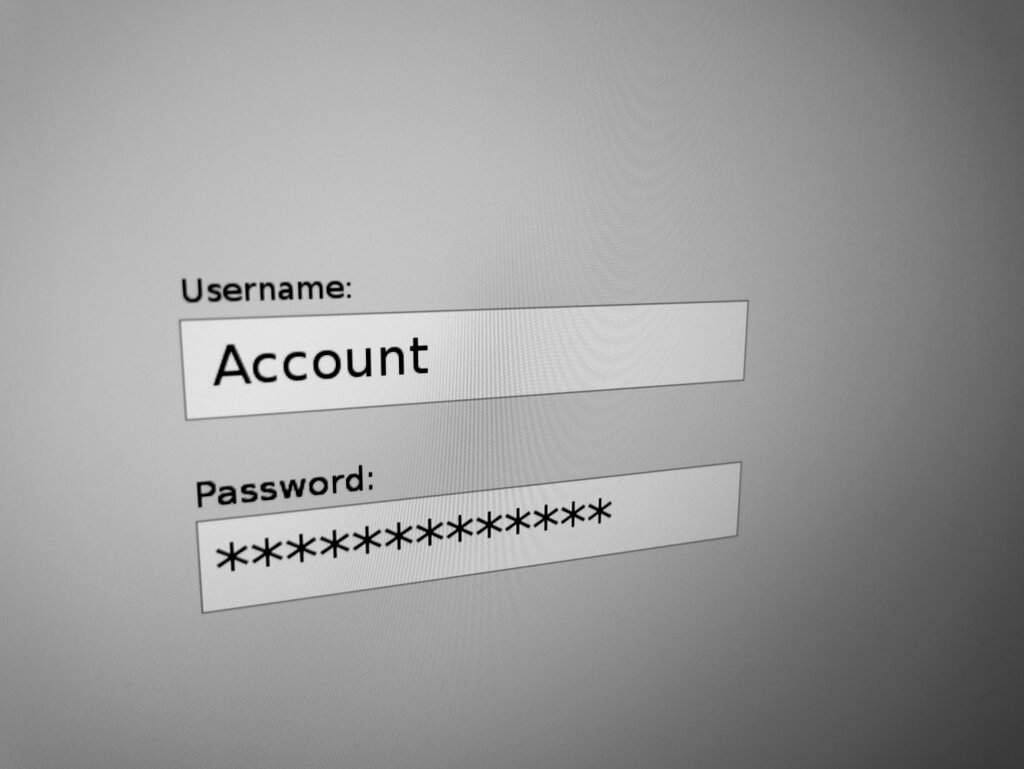
This method became popular because it's straightforward. The user only needs to remember a piece of text, and the system just needs to check if it's correct. But this simplicity is also its biggest weakness.
Where Passwords Go Wrong
While passwords are our first line of defense, they have some serious vulnerabilities. One of the most common is phishing. This is when an attacker tricks you into revealing your password, often by sending a fake email that looks like it's from a legitimate company, leading you to a fake login page.
An attacker doesn't need to break down the door if you hand them the key.
Another major issue is password reuse. We have dozens of online accounts, and creating and remembering a unique, strong password for each one is a huge challenge. So, many people reuse the same password across multiple sites. If a hacker steals the password from one site, they can then use it to access your accounts on other, more important sites, like your email or online banking.
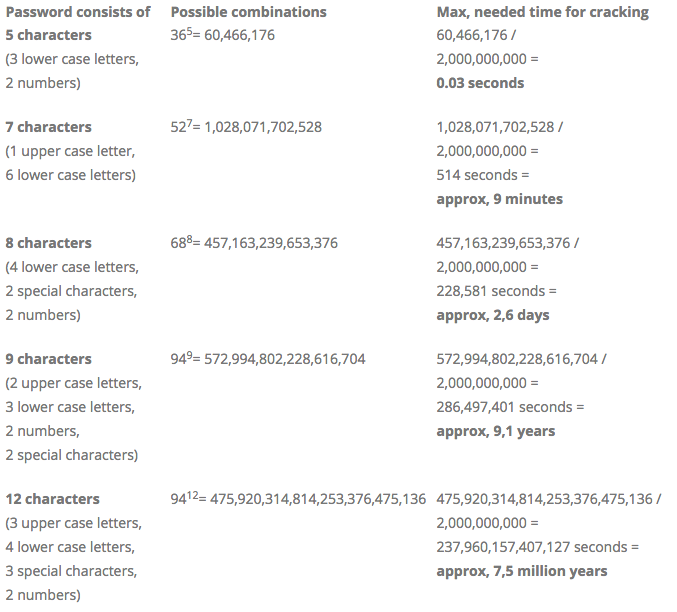
Finally, there's the problem of password strength. To be secure, a password needs to be long and random. But humans are bad at creating and remembering randomness. We tend to pick simple, predictable passwords based on common words, names, or dates. These are easy for computers to guess in a brute-force attack, where software tries millions of combinations per second.
The Management Problem
The burden of managing all these secure, unique passwords is overwhelming. This leads to bad habits, like writing passwords on sticky notes or storing them in an unsecured file. It also means we frequently forget them.
The "Forgot Password?" link has become a routine part of our online lives. While it's a necessary feature, it's also another potential security risk if not handled properly. This constant cycle of creating, forgetting, and resetting passwords is not just annoying; it highlights the fundamental flaws in relying on them alone.
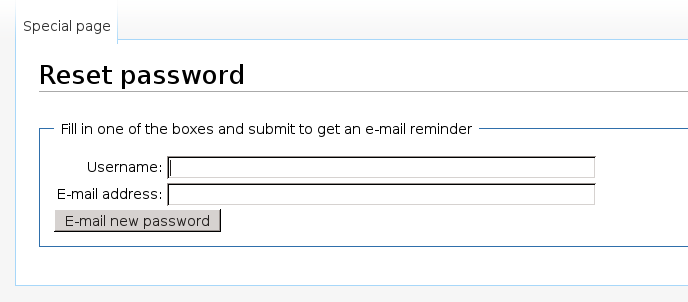
Because of these challenges, the world has been looking for better, more secure ways to prove who we are online. Understanding the weaknesses of passwords is the first step toward appreciating these newer, stronger methods of authentication.
Let's review what you've learned.
What is the primary purpose of online authentication?
A scam where an attacker sends a fraudulent email that links to a fake login page to steal your password is known as what?