The Power of One Plus One
Understanding Numbers
Getting to Know Numbers
Before we can start combining numbers, we first need to get comfortable with what they are. Numbers are the building blocks of all math. Think of them like letters. Just as letters form words, numbers form the basis for counting, measuring, and calculating.
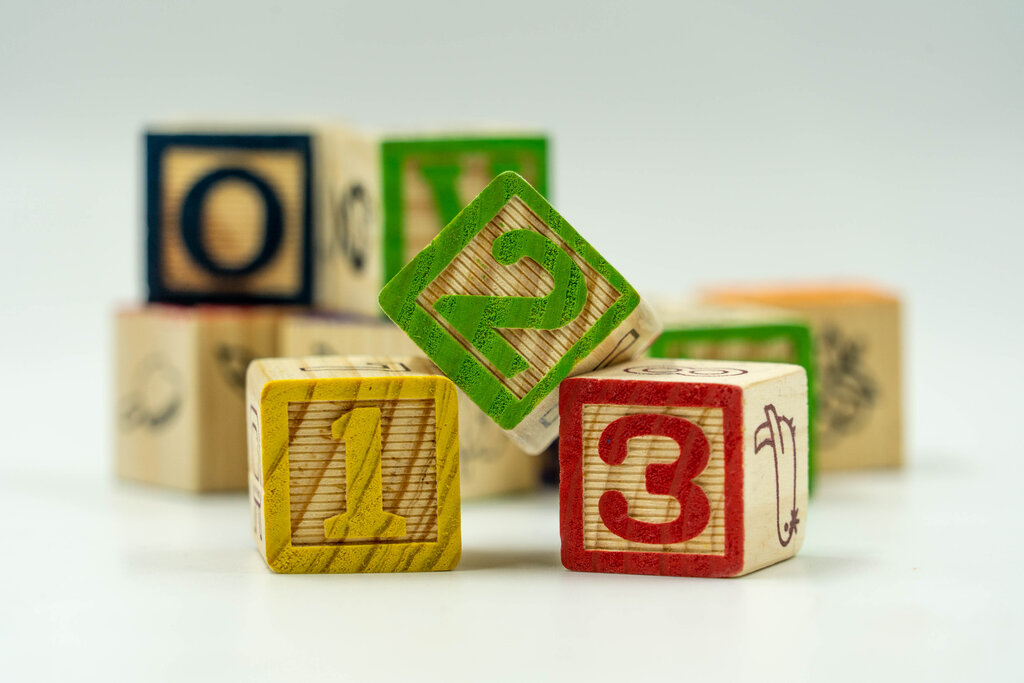
The first step is simply recognizing numbers. Each number from zero to nine has its own symbol, called a digit. You’ve probably seen them everywhere: on clocks, price tags, and street signs. Learning to identify these symbols is like learning the alphabet. The number 3 always looks like a 3, and the number 8 always looks like an 8.
digit
noun
A single symbol used to make numerals. The digits are 0, 1, 2, 3, 4, 5, 6, 7, 8, and 9.
Counting in Order
Once you can recognize numbers, the next step is learning their order. When we count, we always say the numbers in the same sequence: 1, 2, 3, 4, 5, and so on. This order never changes. It’s a predictable pattern that helps us keep track of how many things there are.
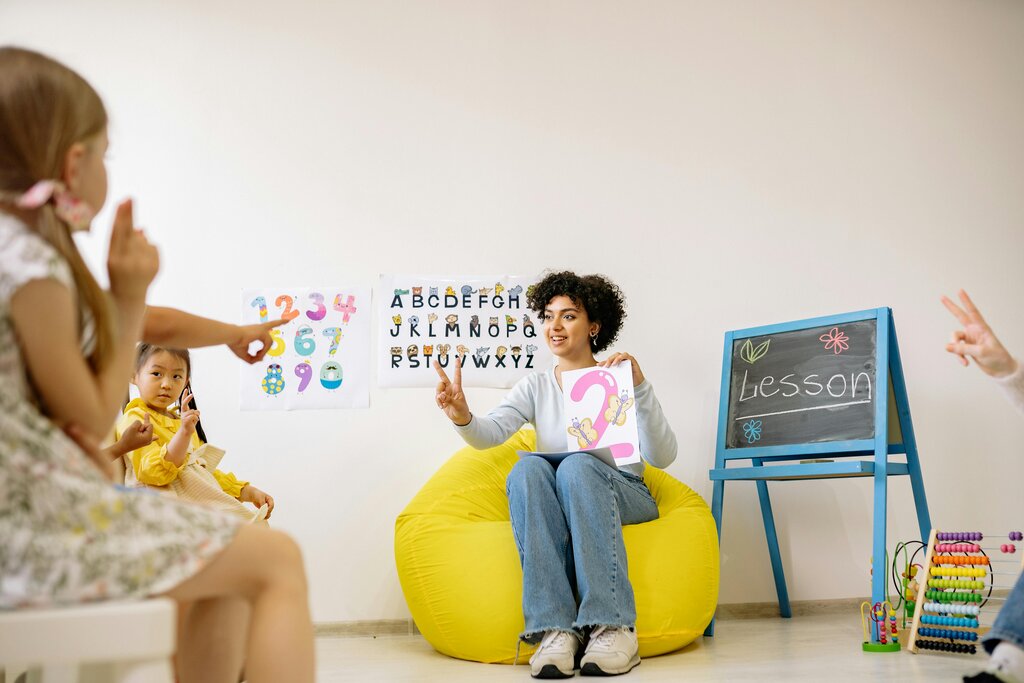
Practicing counting helps this sequence become automatic. You can count your steps as you walk, the number of plates on a table, or the cars you see on the street. This repetition builds a strong foundation and makes the order of numbers feel natural.
What Numbers Mean
Recognizing a number and knowing its place in line is important, but the most crucial part is understanding what it represents. A number stands for a specific amount, or quantity. The number five doesn't just come after four; it represents five of something. Five fingers, five apples, or five friends.
This link between a number and a quantity is what gives numbers their power. When you count a group of objects, you touch or point to each one and say the next number in the sequence. The last number you say is the total amount in the group. This is called one-to-one correspondence, and it's the heart of counting.
Every number symbol corresponds to a real-world quantity. Understanding this connection is key to mastering math.
Once you are comfortable recognizing numbers, counting them in order, and understanding the quantity each one represents, you are ready for the next step. These three skills are the solid ground on which all other math, including addition, is built.
Let's check your understanding of these foundational concepts.
What is the special symbol used to write a number, like '7', called?
When you count a group of objects, the last number you say represents the total amount.
Great work building your number knowledge. With this foundation, you're ready to start exploring how numbers work together.