The Power of One
Introduction to the Number 1
The First Number
Before we can count to two, or a million, we have to start somewhere. That starting point is the number one. It's the first and smallest positive whole number, the very beginning of the sequence we use to count everything around us. Every other number is just a collection of ones added together.
integer
noun
A whole number; a number that is not a fraction.
The idea of 'one' is simple, and so is its earliest symbol. For thousands of years, people represented the number one with a single mark. Think of a tally mark on a piece of wood or a single stroke of a pen. It's the most direct way to say, "there is one of this thing."
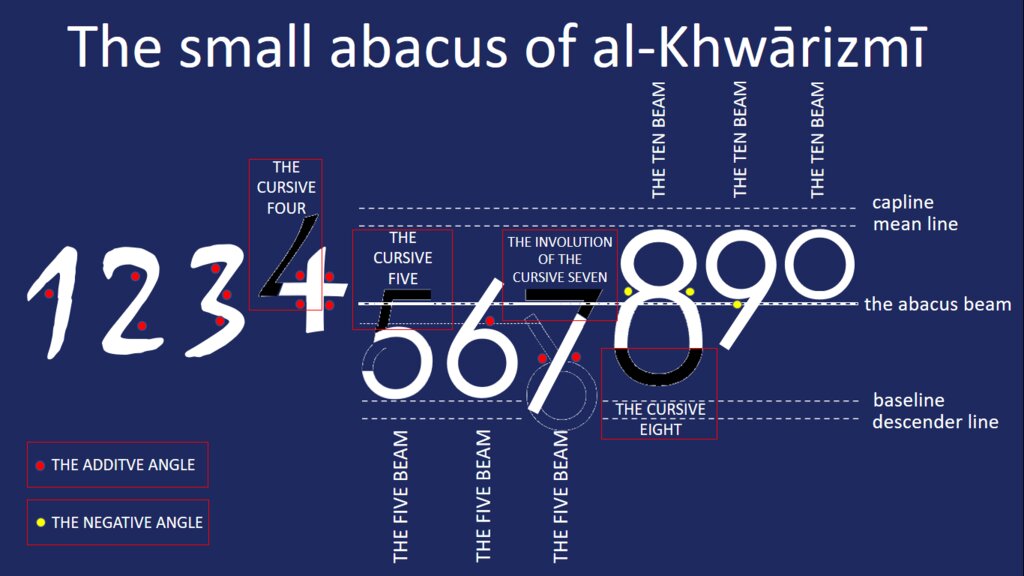
This basic concept of a single stroke was used by many ancient civilizations, from the Romans (I) to the Egyptians. Over time, the symbol evolved. Our modern numeral '1' is thought to have come from Hindu-Arabic scholars who added a small hook at the top to distinguish it from a lowercase L or an uppercase I.
A Universal Unit
The number one is more than just the start of counting; it's the foundation of measurement. It represents a single, complete unit. This could be one apple, one mile, or one dollar. By defining what 'one' of something is, we can then count how many of those units we have.
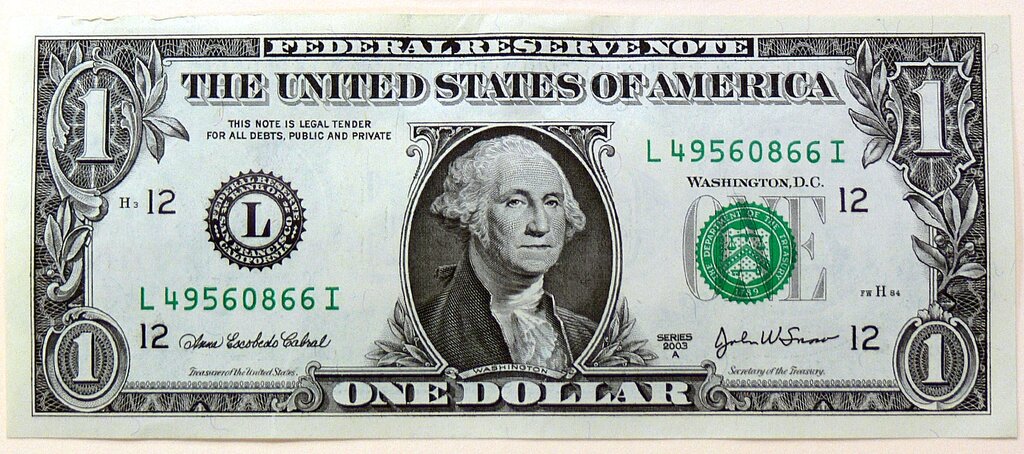
Without the concept of a single unit, we couldn't measure distance, tell time, or conduct trade. Every complex calculation and every simple count traces back to the idea of adding one more 'one'. It’s the atom of arithmetic.
Every measurement starts with defining the 'unit'—what counts as one.
One Word, Many Roots
Just as the numeral evolved, so did the word. The English word "one" comes from a very old root word that has spread across many languages. This ancient word, something like oinos, is the ancestor of many modern words for the number one.
| Language | Word for 'One' |
|---|---|
| English | one |
| German | ein |
| Latin | unus |
| Greek | énas |
| French | un |
| Spanish | uno |
Notice the similarities? They all share a common linguistic heritage, showing how the fundamental concept of 'one' traveled and evolved with people across the globe. Each word points back to the same simple idea: a single, individual thing.
What is the primary role of the number one in mathematics?
According to the text, what feature was added to the original stroke symbol for 'one' to create our modern numeral '1'?
From a simple mark to a global concept, the number one is the essential starting point for all of mathematics and measurement.