The Power of Names
Introduction to Personal Names
What's in a Name?
A personal name is the label we use to identify an individual. Think of it as a unique address in a world full of people. From the moment we're born, our name becomes a fundamental part of who we are. It’s how we're called, referred to, and remembered.
But a name is more than just a tag. It’s a key piece of information that allows us to navigate social situations. When you meet someone, one of the first things you exchange is your name. This simple act is the first step in forming a connection, whether it's with a new friend, a coworker, or a barista at a coffee shop.
The Building Blocks of a Name
Most names are built from a few key components. While structures vary around the world, a common pattern involves two main parts: a given name and a surname.
Given Name
noun
The name bestowed upon a person at or near birth, used to distinguish them from other members of a family. It's often called a first name.
Your given name is your personal identifier within your family unit.
Surname
noun
The name shared by members of a family, often passed down through generations. It is also known as a family name or last name.
Together, these components create a full name that provides both individual and family identification. For example, in the name Maria Rodriguez, "Maria" is the given name, and "Rodriguez" is the surname.
Names and Who We Are
Our names are deeply tied to our sense of self. Hearing your name called across a crowded room instantly grabs your attention because it’s linked directly to your identity. It's one of the first words we learn to recognize and write, forming an early bond with our own individuality.
Names are also the bedrock of social interaction. We use them to address people directly, show respect, and build relationships. In a professional setting, remembering someone's name is a sign of recognition and value. In a personal one, it signals closeness and familiarity. Without names, our social world would be chaotic and impersonal.
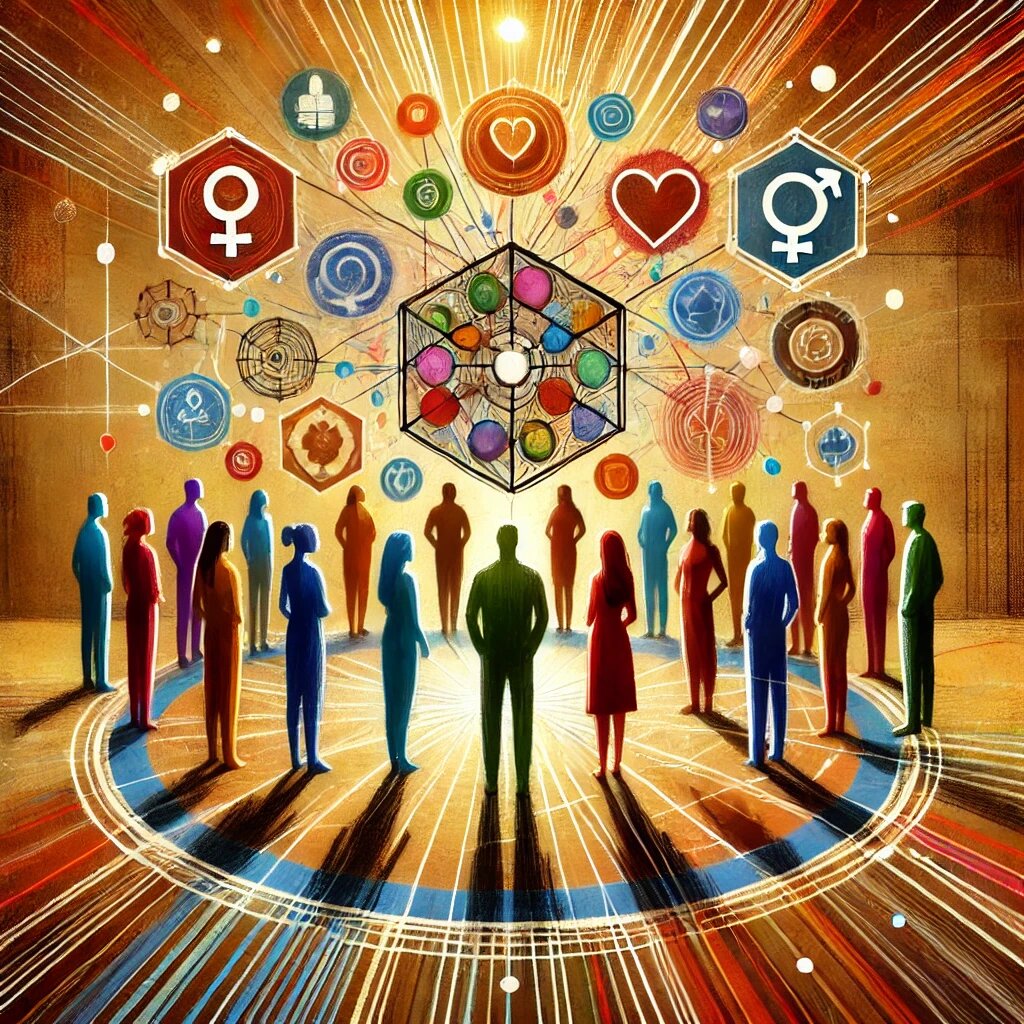
The very act of naming is a social one. It places a new individual within a family and a wider community, giving them a starting point for their own unique story.
The Power of a Name
A name can carry weight and influence perceptions. Studies in social psychology have shown that people often have subtle, unconscious reactions to names. Some names might sound more trustworthy, creative, or authoritative to us based on our past experiences and cultural associations. This doesn't define a person, but it highlights the social power that names can hold.
On a personal level, the psychological impact of our own name is significant. People tend to have a preference for the letters in their own name, a phenomenon known as the "name-letter effect." More importantly, the way our names are used by others can affect how we feel.
When someone remembers and uses your name, it creates a feeling of recognition and validation. It's a small but powerful gesture that says, "I see you, and you matter."
Let's review the key terms we've just covered.
Now, let's test your understanding.
What is the most fundamental role of a personal name?
In the full name 'David Chen', what component is 'Chen'?
As we've seen, a name is far more than a simple label. It's a cornerstone of identity, a tool for social connection, and a powerful symbol of who we are as individuals.