The Power of Money Financial Systems Unveiled
Introduction to Financial Systems
What Is a Financial System?
A financial system is the network that moves money around an economy. Think of it like a city's water system. It collects money from places where it's abundant (savers) and directs it to where it's needed (borrowers). This flow of funds is essential for everything from starting a business to buying a home.
This network has three main parts that work together:
- Financial Institutions: The organizations that manage money, like banks and insurance companies.
- Financial Markets: The places where financial assets are bought and sold, like the stock market.
- Financial Instruments: The actual assets being traded, such as stocks, bonds, and loans.
The Engine of the Economy
The financial system isn't just about moving money. It performs several vital functions that keep the economy running smoothly. It helps channel savings into productive investments, which leads to economic growth, job creation, and innovation.
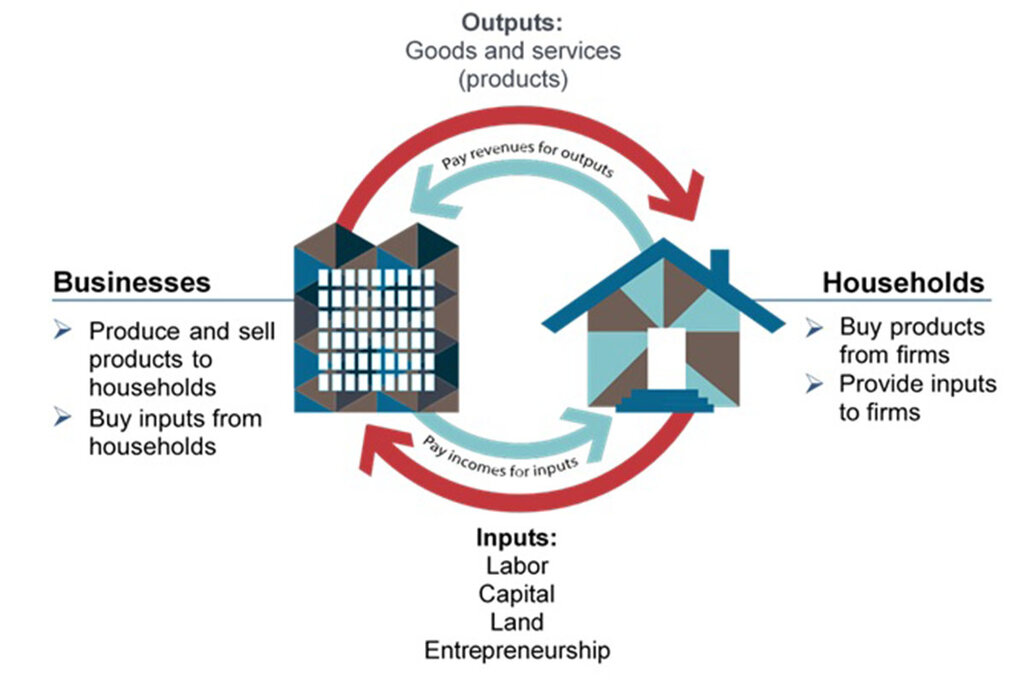
One of its primary roles is to allocate capital efficiently. Imagine two entrepreneurs. One wants to build a factory that creates a valuable new product, and the other wants to fund a lavish party. The financial system, through banks and investors, is more likely to fund the factory because it promises a better return. This process ensures that money flows to the most productive uses.
It also makes daily transactions possible. Every time you use a debit card, pay a bill online, or take out a loan, you're using the financial system's plumbing. Finally, it helps us manage risk. Insurance policies, for example, are financial products that protect us from unexpected events, like a car accident or a house fire. You pay a small, predictable amount in exchange for protection against a large, unpredictable loss.
The Key Players and Places
So, who are the players in this system? They are financial institutions, and each has a specific role.
Banks are the most familiar. They accept deposits from savers and make loans to borrowers. This process, called financial intermediation, is a cornerstone of the economy.
Insurance Companies help individuals and businesses manage risk. They pool premiums from many policyholders to pay out claims for the few who suffer a loss.
Investment Firms manage money for clients. This includes mutual funds, which pool money to buy a diverse range of stocks and bonds, and brokerage firms that help people buy and sell securities.
These institutions operate within financial markets, which are where financial instruments are traded.
Financial Market
noun
A marketplace where buyers and sellers trade financial instruments like stocks, bonds, and currencies.
There are two main types of markets:
- Stock Markets: Where ownership stakes in public companies, called stocks or shares, are bought and sold.
- Bond Markets: Where governments and corporations borrow money by issuing bonds, which are essentially loans that investors can buy.
The Tools of the Trade
Financial instruments are the products traded in financial markets. They are formal agreements that represent a claim to some future income or value. Here are the most basic types:
| Instrument | What It Is | Purpose |
|---|---|---|
| Stock | A share of ownership in a company. | To raise capital for the company and offer investors potential growth. |
| Bond | A loan made by an investor to a borrower (like a company or government). | To borrow money for a set period at a fixed or variable interest rate. |
| Loan | Money borrowed from a bank or other institution that must be paid back with interest. | To finance large purchases like a home, car, or business expansion. |
These instruments form the building blocks of finance. They allow for the transfer of money between savers and borrowers in a way that benefits both parties and fuels the broader economy.
What is the primary function of a financial system?
The text compares the financial system to a city's water system. In this analogy, what do savers and borrowers represent?
By connecting savers with borrowers, financial systems enable investment, manage risk, and make everyday economic life possible.