The Power of Discipline
Understanding Discipline
The Foundation of Success
Discipline is the ability to choose what you want most over what you want now. It's the internal steering wheel that guides your actions, helping you control impulses, emotions, and behaviors to move toward long-term goals. It’s not about punishment or restriction, but about deliberate, focused action.
Think of it as the bridge between your goals and their accomplishment. A goal without discipline is just a wish. This skill is fundamental to personal development because it's what allows you to show up for yourself, day after day, and build the life you envision. It’s the quiet engine of growth, turning intentions into reality.
Discipline is the ability to do what needs to be done — even when you don’t feel like it.
The Benefits of Self-Control
Cultivating discipline brings a host of benefits that ripple through every area of life. One of the most significant is increased resilience. When you practice discipline, you get comfortable with being uncomfortable. You learn to push through challenges and setbacks instead of giving up, building mental fortitude that helps you weather life's storms.
Discipline is also the backbone of effective time management. You can have the best calendar and to-do list in the world, but without the discipline to follow your plan, they're useless. Discipline ensures you prioritize important tasks over urgent but trivial ones, leading to greater productivity and less stress.
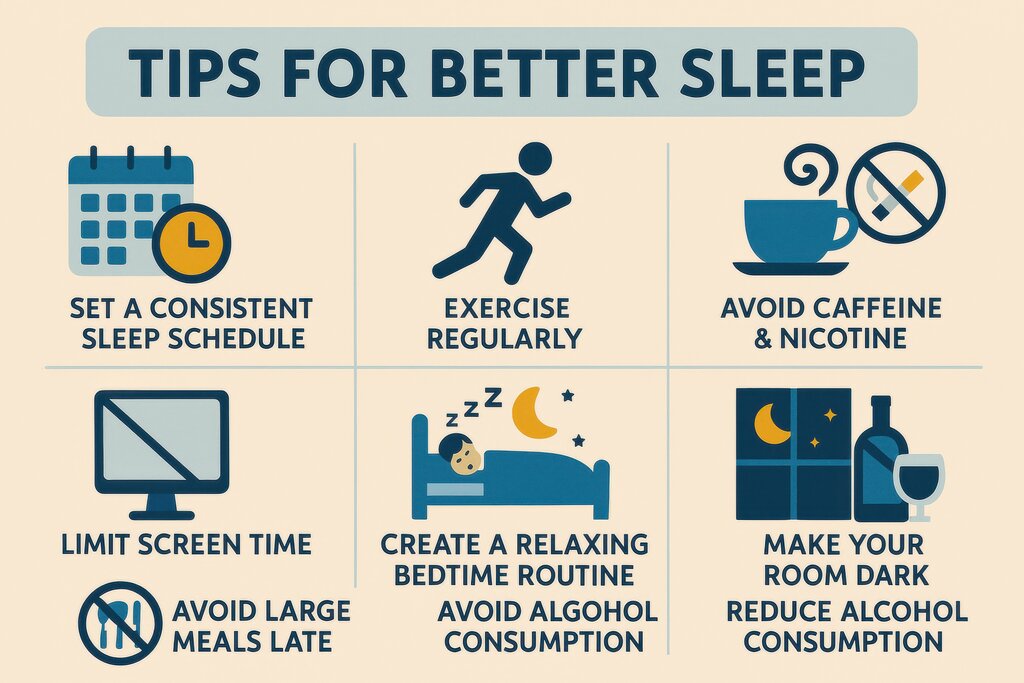
Finally, discipline is directly linked to overall well-being. Consistently making choices that support your health, like getting enough sleep, eating nutritious food, and exercising regularly, requires discipline. These daily acts of self-control compound over time, leading to better physical health, more stable moods, and a greater sense of personal agency.
Discipline in Daily Life
The impact of discipline is easy to see in the real world. In academics and professional life, it's the student who studies a little each day, not the one who crams the night before an exam, who truly masters the material. It's the employee who consistently meets deadlines and produces high-quality work who earns promotions.
In health, discipline is what gets you to the gym on a rainy morning or helps you choose a healthy meal when you're tempted by junk food. These small, disciplined choices are what build a foundation of lasting vitality.
Perhaps less obviously, discipline strengthens relationships. It's the discipline to listen patiently when a friend is struggling, even if you're tired. It’s the self-control to respond calmly during a disagreement instead of reacting with anger. This consistency and emotional regulation builds trust and deepens connections with others.
A student who dedicates one hour to studying every evening, regardless of their motivation level, is practicing discipline. Over a semester, this consistent effort leads to deep understanding and better grades than sporadic, all-night cram sessions.
According to the provided text, what is the best description of discipline?
How does practicing discipline lead to increased resilience?