The Power of Concrete Thinking
Introduction to Mental Representations
The Ideas Inside Your Head
How do you think? When you decide to grab a coffee, remember a vacation, or understand what a friend is saying, what's actually happening in your mind? The process relies on something called mental representations.
A mental representation is an internal cognitive symbol that represents external reality. It’s a stand-in for a real object, event, or concept.
Think of the word “apple.” You don't have a physical apple in your brain. Instead, you have a mental representation of it. This might include visual information (round, red), taste information (sweet, crisp), and the abstract concept of it being a fruit. Your mind works with this representation, not the real thing.
These internal symbols are the basic building blocks of thought. They are the raw materials your mind uses for reasoning, memory, and understanding. You can combine the representation of an apple with the representation of a pie to imagine an apple pie. A simple way to put it is:
Mental Representations + Computational Procedures = Thinking
These representations come in many forms. Some are like images (imagining a friend's face), some are linguistic (the word "friend"), and others are abstract concepts (the idea of friendship itself). But how are these symbols stored in the mind? There are a few different theories.
The Traditional View
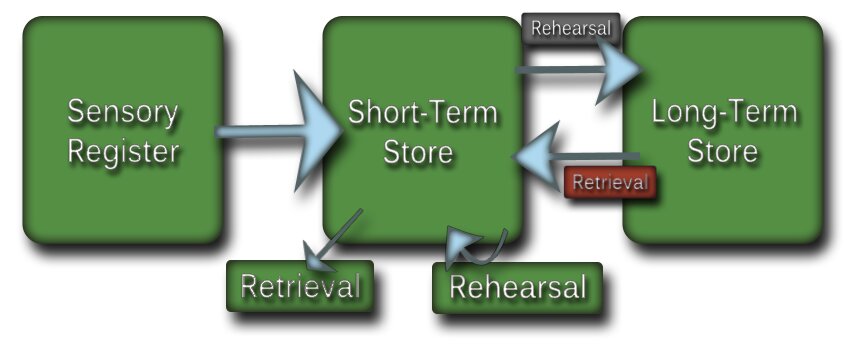
For a long time, many cognitive scientists viewed the mind as a kind of computer. In this model, mental representations are abstract, amodal symbols. "Amodal" means they aren't tied to any specific sensory experience. They are pure information, like the 1s and 0s in a computer.
amodal
adjective
Not tied to a specific sensory modality, such as vision or hearing. An abstract representation.
According to this view, when you think about an apple, the representation is a purely symbolic token. It's stored in a way that’s separate from the brain areas that process the sight of redness or the sensation of crispness. Your brain manipulates these abstract symbols using logical rules, much like a computer processes data. This approach is very good at explaining logical reasoning and how we handle abstract ideas like mathematics.
Embodied Cognition
A more recent perspective, known as embodied cognition, challenges the computer analogy. It argues that our representations are not abstract and separate from our sensory experiences. Instead, they are deeply grounded in our bodies and our interactions with the world.
Thinking isn't just computation; it's a re-enactment of sensory and motor experiences.
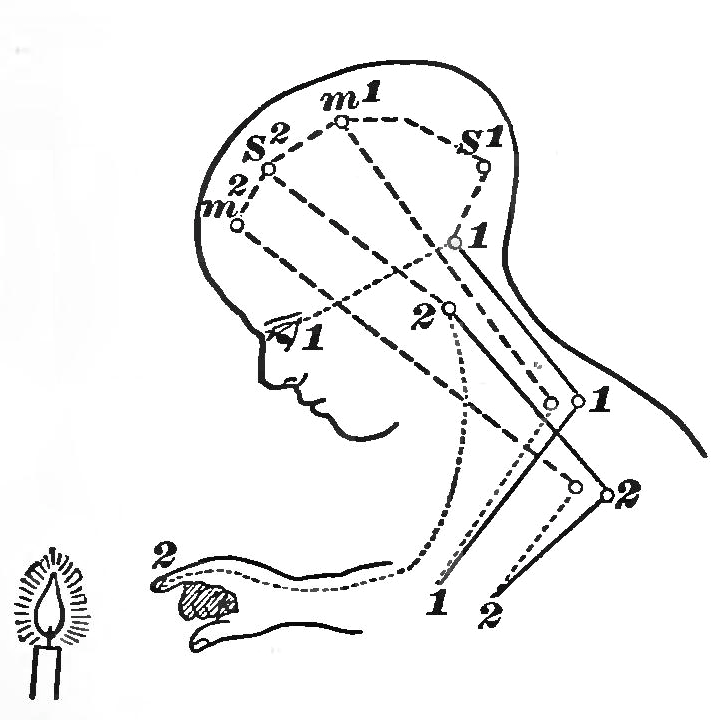
From this perspective, when you think about an apple, your brain doesn't just activate an abstract symbol. It partially reactivates the same neural patterns that were active when you last saw, touched, and tasted an apple. Your understanding of the concept “apple” is a simulation of the real experience.
This means our bodies—our senses and our ability to move—are fundamental to how we think. The mind isn't a computer processing abstract data; it's part of a complete system that perceives and acts in the world. The way you can grasp an apple with your hand is part of your mental representation of an apple.
These two views offer different ways of understanding the nature of thought. The traditional model helps explain abstract reasoning, while embodied cognition provides a compelling explanation for how our real-world experiences shape our minds.