The Polyvagal Theory Explained
Introduction to Polyvagal Theory
Your Body's Inner Ladder
Have you ever wondered why you feel calm and connected one moment, and then suddenly anxious or withdrawn the next? The answer might lie in your autonomic nervous system (ANS), the intricate network that runs your body's automatic functions like breathing, heart rate, and digestion.
The Polyvagal Theory (PVT), introduced by Dr Stephen Porges in 1994, is a groundbreaking framework for understanding how the autonomic nervous system (ANS) influences emotional regulation, social behaviour, and trauma responses.
Polyvagal Theory gives us a map to this internal world. It helps explain how we react to the world around us, moving between states of safety, danger, and life-threat. Think of your ANS as a car's operating system. It has a gas pedal—the sympathetic nervous system—which revs you up for action. It also has a brake pedal—the parasympathetic nervous system—which helps you slow down and rest.
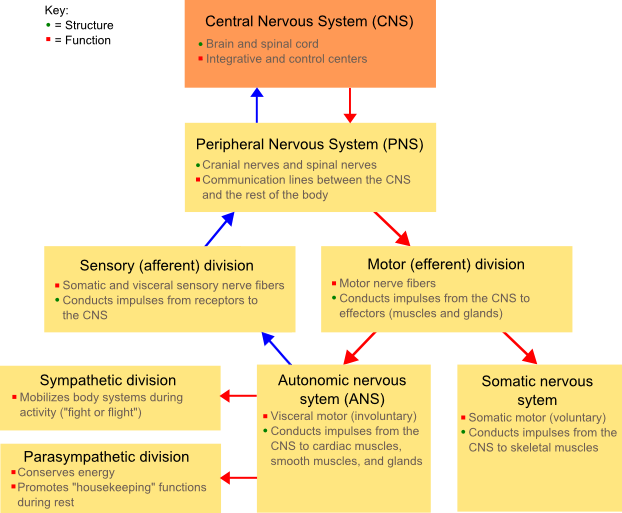
Polyvagal Theory adds a crucial detail to this picture. It highlights the vagus nerve, the main nerve of the parasympathetic system. This nerve is like a superhighway, carrying information between your brain and many of your internal organs. Crucially, it has two distinct branches, a newer one and an older one, which gives us not two, but three primary operating states.
The Three States
Our nervous system responds to the world in a predictable, hierarchical way. We can imagine these responses as a ladder. At the top, we feel safe and connected. As we sense danger, we move down the ladder into mobilization or, in extreme cases, shutdown.
1. Ventral Vagal State (Safe & Social)
This is the top of the ladder. When you're here, your body knows you're safe. You can connect with others, learn new things, and rest. Your breathing is calm, you can make eye contact, and you feel generally good. This state is regulated by the newer, myelinated part of the vagus nerve, which connects to the muscles of your face and head, facilitating social engagement.
2. Sympathetic State (Mobilization)
When your nervous system detects a threat, it kicks you down a rung into the sympathetic state. This is the classic "fight-or-flight" response. Your heart rate increases, muscles tense, and adrenaline courses through you. The world seems more dangerous. This state is designed to help you survive a challenge by fighting it or running away.
3. Dorsal Vagal State (Immobilization)
If the threat is too overwhelming and you can't fight or flee, your body uses its oldest defense mechanism: shutdown. This is the bottom of the ladder. The ancient, unmyelinated dorsal part of the vagus nerve takes over, causing you to freeze or collapse. You might feel numb, disconnected, or spaced out. It's a state of self-preservation, like an animal playing dead to survive an attack.
Understanding these states is the first step. It allows us to see our reactions not as character flaws, but as adaptive responses from a nervous system trying its best to keep us safe.
According to Polyvagal Theory, which state is characterized by feelings of safety, connection, and social engagement?
You are reading a book in a quiet park and feel completely at ease and content. A large, barking dog suddenly runs towards you, and your heart starts pounding as you tense up, ready to jump to your feet. Which nervous system state have you shifted into?