The Pillars of Good Governance
Introduction to Good Governance
What Is Good Governance?
Every group, from a small club to an entire country, has a system for making decisions and getting things done. This system is its governance. It includes the rules, processes, and people in charge. But just having a system isn't enough. The quality of that system determines whether it serves the people effectively.
Governance
noun
The processes of interaction and decision-making among the actors involved in a collective problem that lead to the creation, reinforcement, or reproduction of social norms and institutions.
Good governance happens when those processes are fair, just, and responsive to the needs of the people. It’s the difference between a government that simply exercises authority and one that earns the trust and respect of its citizens. It aims to manage public resources and affairs in a way that is effective, equitable, and sustainable.
The core goal of good governance is to minimize corruption, take into account the views of minorities, and listen to the voices of the most vulnerable in society.
The Four Pillars
Good governance rests on four essential principles. Think of them as the legs of a table: if one is weak or missing, the entire structure becomes unstable. These principles work together to ensure that governing bodies act in the best interests of the public.
Accountability means that public officials, from local council members to national leaders, are answerable for their actions and decisions. When things go right, they get credit. When they go wrong, they must explain why and face the consequences. This creates a clear link between performance and responsibility.
Transparency is about openness. It requires that decisions are made and enforced according to clear rules and regulations. Citizens must have access to information about how their government works, from public spending to policy-making. This visibility helps prevent corruption and keeps leaders honest.
Participation ensures that everyone has a voice. Good governance allows all citizens, including men and women, minorities, and the most vulnerable, to participate in the decisions that affect their lives. This can happen directly or through legitimate representatives. Active participation leads to more inclusive and responsive policies.
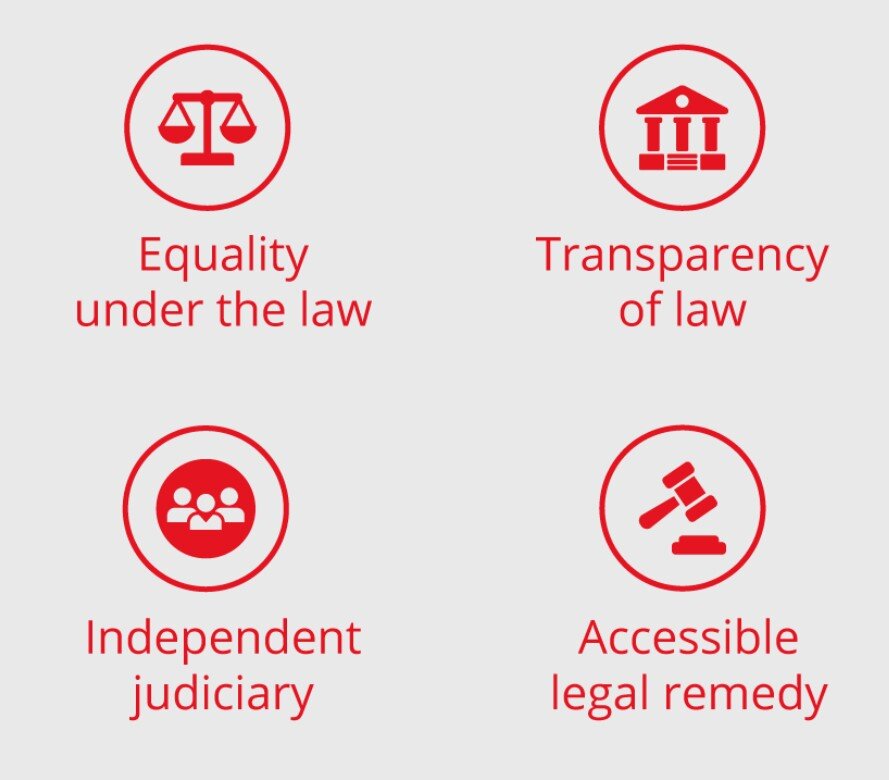
Rule of Law is the principle that no one is above the law, including the government itself. It requires that laws are fair, applied equally to all, and enforced impartially. An independent judiciary and a police force that respects human rights are critical for upholding the rule of law.
Why It Matters
The impact of good governance is profound. In public administration, it transforms how services are delivered. When officials are accountable and processes are transparent, public services like healthcare, education, and sanitation become more efficient and effective. Resources are used for their intended purpose instead of being wasted or diverted.
For society as a whole, good governance builds trust. When people believe their leaders are acting in their best interest and that the system is fair, they are more likely to participate in civic life, pay taxes, and obey laws. This social contract is the foundation of a stable and prosperous nation.
Good governance means that processes and institutions produce results that meet the needs of society while making the best use of resources at their disposal.
Ultimately, good governance promotes economic development and social justice. It creates a predictable and stable environment where businesses can thrive and investors feel secure. It also ensures that the benefits of growth are shared more equitably, reducing poverty and improving quality of life for everyone.
Ready to check your understanding of these core concepts?
Which principle of good governance ensures that public officials are answerable for their actions and decisions?
A city government publishes its annual budget online, detailing all public spending. This action is a direct application of which principle?
Understanding these principles is the first step toward recognizing and advocating for better public administration in any community.