The Philosophy of Consciousness
Introduction to Consciousness
What Is Consciousness?
At its core, consciousness is simply awareness. It’s the feeling of being you, right here, right now. It's the taste of your morning coffee, the warmth of the sun on your skin, and the inner monologue running through your head as you read this. While we all know what it feels like, defining it precisely is surprisingly tricky.
Consciousness
noun
The state of being aware of and responsive to one's surroundings; a person's awareness or perception of something.
This simple definition doesn't quite capture the richness of our inner lives. Philosophers and scientists have debated its nature for centuries, recognizing it as a fundamental aspect of existence.
Understanding consciousness might be the greatest scientific challenge of our time.
A Quick Look Back
Thinkers throughout history have grappled with the nature of the mind. Ancient Greek philosophers like Plato and Aristotle pondered the soul and its connection to the body. In the 17th century, René Descartes famously argued that the mind was a non-physical substance, separate from the physical brain. His ideas shaped the conversation for hundreds of years.
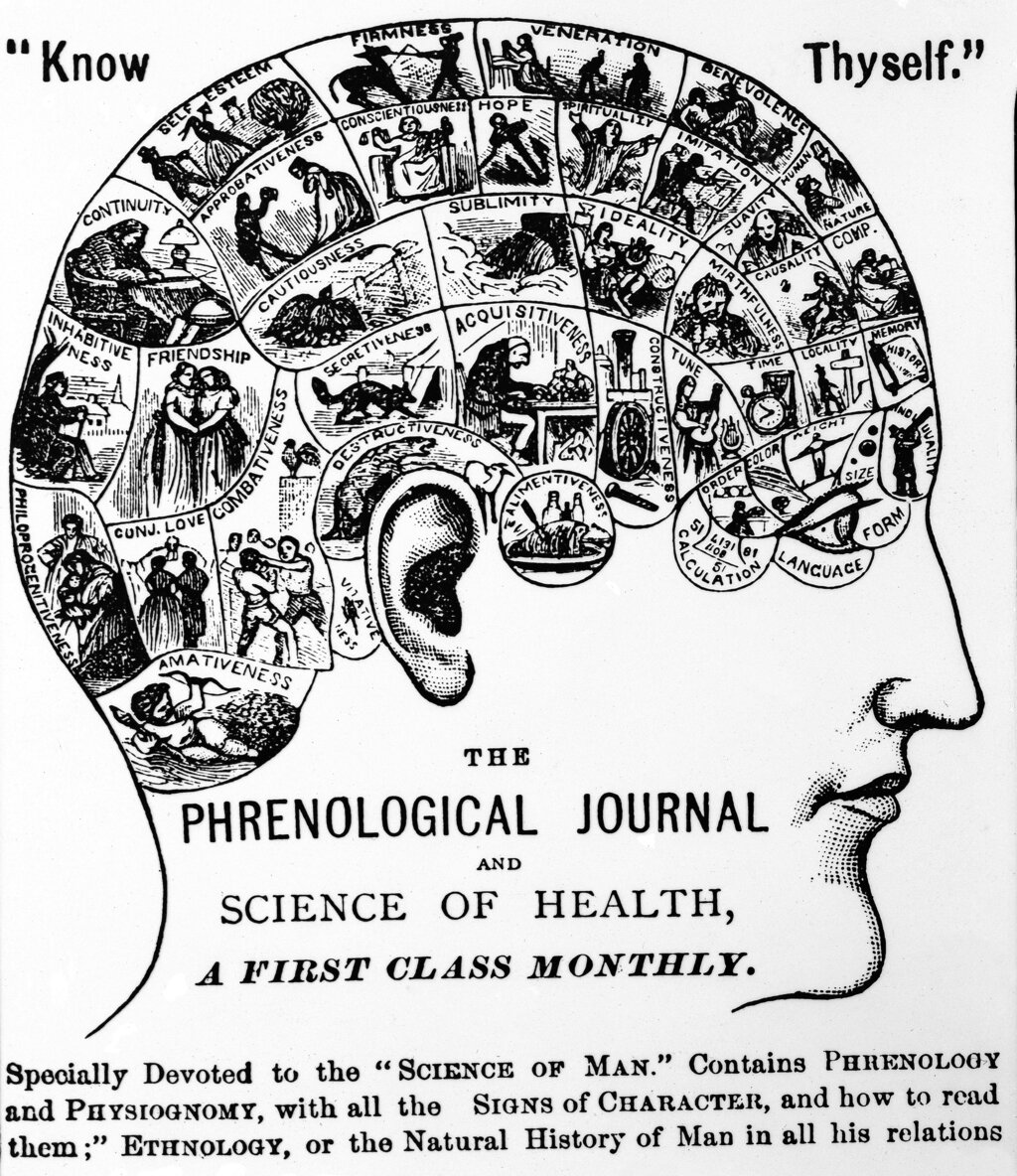
For a time, especially in the early 20th century, the scientific study of the mind fell out of favor. Psychologists focused on observable behavior, a school of thought called behaviorism, and consciousness was often dismissed as too subjective to study scientifically.
However, the tide turned with the cognitive revolution in the 1950s and 60s. Scientists began to explore internal mental processes like memory and attention, reopening the door to the serious study of consciousness.
Your Inner World
The most profound aspect of consciousness is its subjective quality. There is something it is like to be you. There's a particular way you experience the color red, the sound of a violin, or the feeling of sadness. These individual, subjective experiences are sometimes called qualia.
Imagine trying to describe the color red to someone who has been blind since birth. You can talk about wavelengths of light and how our eyes process them, but you can't convey the actual experience of seeing red.
This private, first-person nature is what makes consciousness so personal and so difficult to pin down. Your conscious experience is unique to you, and you can only access it directly from the inside.
The Big Challenge
The subjectivity of consciousness poses a major hurdle for science, which relies on objective, third-person observation. How can we scientifically study something that is inherently private?
We can scan a brain and see neurons firing when a person looks at a red apple. We can map the physical processes with incredible detail. But those scans don't tell us why or how those physical processes create the subjective experience of redness. This gap between the physical brain and subjective experience is often called the "hard problem of consciousness."
This doesn't mean it's impossible to study. Researchers use clever experiments, self-reporting, and brain imaging to find the neural correlates of consciousness—the brain activity that corresponds with specific experiences. But the central mystery remains a key focus of modern science and philosophy.
Ready to check your understanding?
What is the core concept of consciousness?
Which historical figure famously argued that the mind was a non-physical substance separate from the physical brain?
Understanding what consciousness is, and why it's so hard to explain, is the first step in exploring one of life's greatest puzzles.