The PDF Specification Explained
Introduction to PDF
The Universal Document
Have you ever created a document, styled it perfectly, and then sent it to someone only to have them say it looks like a mess on their screen? Fonts are wrong, images are shifted, and the layout is completely broken. In the early days of personal computing, this was a constant headache.
PDF, short for Portable Document Format, was created by Adobe in the early 1990s to address a simple problem: documents appeared differently on every computer.
The goal was to create a file format that would act like a digital piece of paper. It would capture everything—text, fonts, images, and layout—in a fixed way. The result was the Portable Document Format, or PDF, launched by Adobe in 1993. No matter what computer, operating system, or software you used, a PDF would always look exactly the same.
From Adobe to Open Standard
For many years, PDF was a proprietary format controlled by Adobe. While they published the specifications, Adobe held the patents for the technology. This changed over time as the format became incredibly popular.
Recognizing its importance, Adobe took a major step. In 2008, they released the format to be managed by the International Organization for Standardization (ISO). PDF became an open standard, officially known as ISO 32000.
Standardization meant that anyone could create software to read and write PDF files without paying royalties to Adobe. It ensured the format's longevity and cemented its place as the world's standard for final-form documents.
Why PDFs Are Everywhere
The PDF's reliability and consistency made it essential across countless fields. It's the go-to format for documents that need to be preserved and shared without alteration.
| Industry | Common Use Cases |
|---|---|
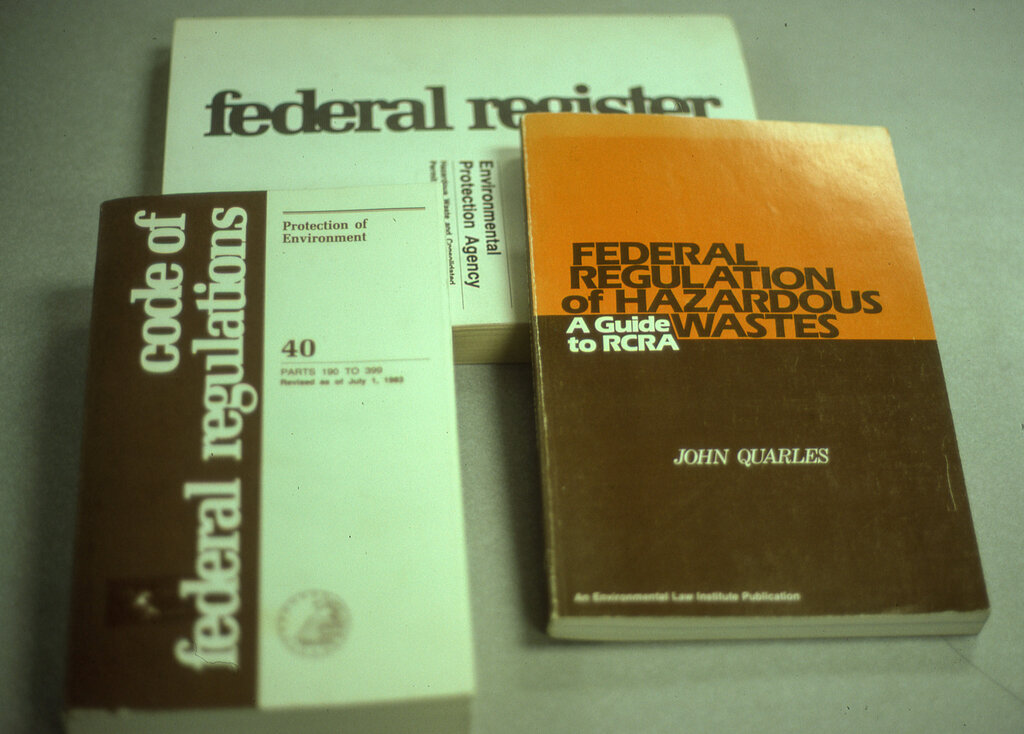
| Government | Official forms, publications, and archival records |
| Legal | Court filings, contracts, and evidence documents |
| Academia | Research papers, textbooks, and dissertations |
| Business | Invoices, reports, manuals, and presentations |
Because PDFs are a standard, governments and institutions trust them for long-term archiving. A PDF created today will still be readable decades from now, which is critical for preserving important records.
From its beginnings as a solution to a common formatting problem, the PDF has become a fundamental part of how we share and store information digitally. Its journey from a proprietary Adobe format to a global open standard is the reason it remains so trusted and widespread.