The Path to Wealth
Understanding Financial Independence
What Is Financial Independence?
Financial independence isn't about being fantastically wealthy or owning a private jet. It's simpler and more powerful than that. It’s the point where you have enough income from your assets—like investments or a business—to cover your living expenses without having to work a traditional job.
Financial Independence
noun
A state in which an individual or household has sufficient income to pay their living expenses for the rest of their life without having to be employed or dependent on others.
Think of it as owning your time. When you no longer need to trade hours for dollars to pay your bills, you gain the freedom to choose how you live. You can decide to keep working because you love what you do, not because you have to. You could also pursue a passion, travel, volunteer, or simply spend more time with the people you care about. It’s about having options.
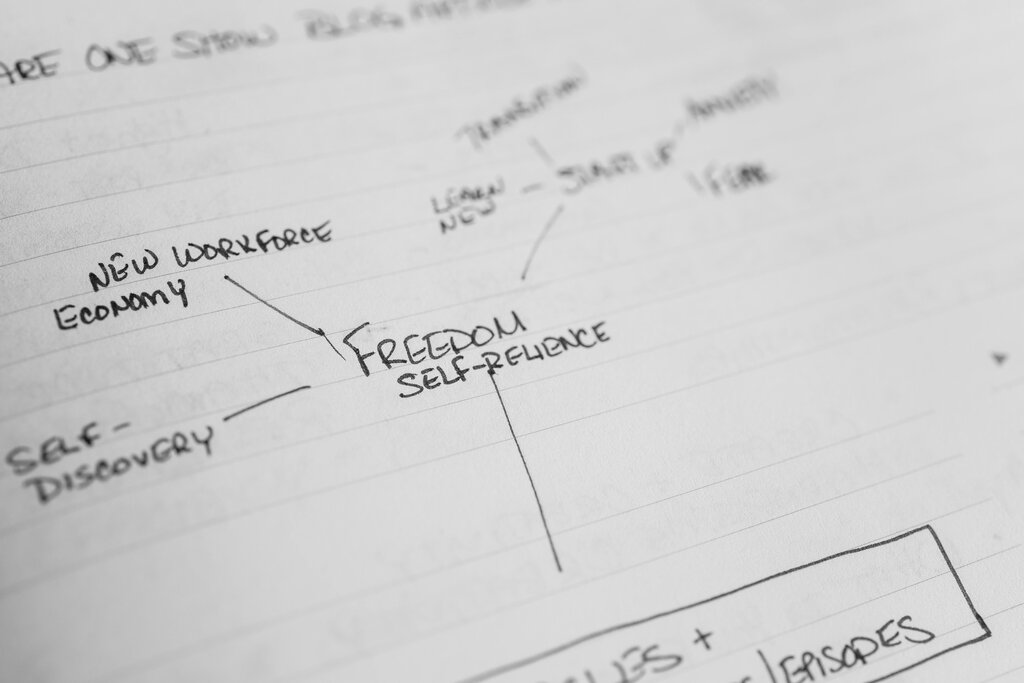
This concept is significant because it shifts the focus from just earning money to building a life by design. It's the ultimate form of financial security, providing a buffer against job loss, economic downturns, or unexpected life events. Achieving it requires a plan, discipline, and a clear understanding of its core principles.
The Building Blocks
The path to financial independence rests on a few key pillars. It’s not about secret formulas or risky bets. Instead, it’s about consistently applying foundational principles over time. These principles provide the framework for every financial decision you make.
Your financial future is built on the decisions you make today.
The first principle is having clear goals. Without a destination, it’s impossible to draw a map. You need to define what financial independence looks like for you. How much money do you need to live the life you want? When do you want to achieve it? Making your goals specific and measurable gives you a target to aim for and helps keep you motivated.
Once you know what you're working toward, saving and investing become your primary tools. Savings provide the raw material—the cash you set aside. But savings alone are rarely enough. Investing is what puts that money to work, allowing it to grow over time. It's the engine that powers your journey, turning small, consistent contributions into significant wealth.
More Than Just Money
While the goal is financial, the benefits are deeply personal and psychological. Reaching a state of financial autonomy transforms your relationship with money and, more importantly, with your own life.
One of the most immediate benefits is a dramatic reduction in stress. When you're not reliant on your next paycheck to cover your bills, money-related anxiety fades. An unexpected car repair or medical bill becomes an inconvenience, not a crisis. This sense of security has a powerful, positive effect on your overall well-being.

Beyond reducing stress, financial independence unlocks a profound sense of freedom and life satisfaction. The ability to control your daily life is a powerful feeling. It means you can leave a job that makes you unhappy, start a business you've always dreamed of, or dedicate your time to a cause you believe in.
Ultimately, the pursuit of financial independence is about creating a life rich with purpose and choice, not just a large bank account. It's a tool that empowers you to live life on your own terms.
Financial independence isn't the final goal. It's a tool to live the life you truly want.
Now that you understand the what and why of financial independence, let's check your understanding.
What is the primary definition of financial independence?
Which of the following is described as the 'engine' that powers the journey to financial independence?
Grasping these core concepts is the first and most important step on your journey toward financial freedom.