The Path to Wealth
Understanding Financial Independence
What Is Financial Independence?
Financial independence isn't about being rich. It's about having enough income to pay your living expenses for the rest of your life without having to work full-time. Think of it as reaching a point where your money works for you, instead of you working for money.
The goal is simple: generate enough passive income from your assets to cover your costs. When your monthly passive income is greater than your monthly expenses, you are financially independent.
This state gives you freedom. It's the freedom to choose how you spend your time, whether that's pursuing a passion project, traveling, spending more time with family, or continuing to work because you want to, not because you have to.
Achieving this balance is a journey, not an overnight event. It requires a clear understanding of your financial situation and a commitment to a few core principles.
The Benefits of Freedom
The primary benefit of financial independence is control over your own life. It removes the stress that often comes with relying on a paycheck to make ends meet. When an unexpected expense arises, like a car repair or medical bill, it becomes a manageable problem rather than a crisis.
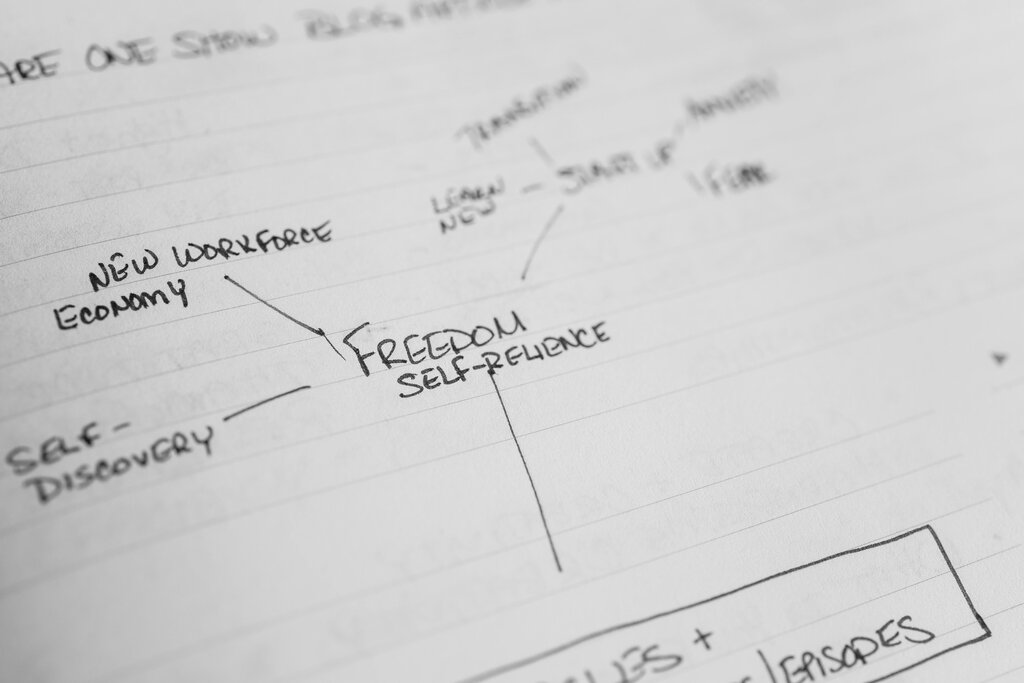
This security extends beyond emergencies. It allows you to make career choices based on passion and fulfillment, not just salary. You can negotiate for better working conditions, start your own business, or even take a lower-paying job that you love. The power dynamic shifts in your favor.
| Benefit | Description |
|---|---|
| Reduced Stress | Less worry about job security and daily expenses. |
| More Choices | Freedom to choose your work, location, and schedule. |
| Greater Security | Ability to handle unexpected costs without going into debt. |
| Time for Passions | More time for hobbies, family, travel, and personal growth. |
| Early Retirement | The option to stop working earlier than the traditional retirement age. |
Core Principles
While the path to financial independence is different for everyone, it’s built on a few universal principles. These aren't complex financial strategies, but rather foundational mindsets and habits.
Start by defining what financial freedom looks like for you.
First, you must spend less than you earn. This might sound obvious, but it's the most critical step. Creating a gap between your income and your expenses is what gives you money to work with. The larger the gap, the faster you can progress.
Second, use that gap to build your assets. An asset is something that has the potential to generate future income. This could be stocks, real estate, or a stake in a business. The goal is to acquire assets that produce passive income, which is money you earn without actively working for it.
Asset
noun
A resource with economic value that an individual owns with the expectation that it will provide a future benefit.
Finally, you must protect your wealth. This involves avoiding high-interest debt, having adequate insurance, and creating a financial buffer for emergencies. Protecting what you've built is just as important as building it in the first place. These principles work together to create a powerful engine for building long-term financial security.
Time to review what we've covered.
Now, let's test your understanding of these foundational concepts.
What is the core definition of financial independence?
According to the text, what is the primary benefit of achieving financial independence?
With these principles in mind, you have the conceptual framework needed to start thinking about your own journey toward financial freedom.