The Path to Pop Stardom
Develop Musical Skills
Build Your Musical Foundation
Talent is the starting point, but skills are what build a career. In pop music, your core abilities as a musician are everything. This means dedicating time to your voice, your instrument, and your understanding of how music works. Polishing these skills is what separates fleeting artists from lasting ones.
Find Your Voice
Your voice is your most personal instrument. Vocal training isn't about changing how you sound; it's about giving you control, strength, and stamina. It all starts with the fundamentals: breath support, posture, and proper warm-ups.
Breathing from your diaphragm—the muscle just below your lungs—gives your voice a steady, powerful source of air. Good posture, with a straight back and relaxed shoulders, opens up your airway. Before you sing a single note, always warm up with gentle exercises like lip trills, sirens, or humming. This prepares your vocal cords for work and helps prevent strain.
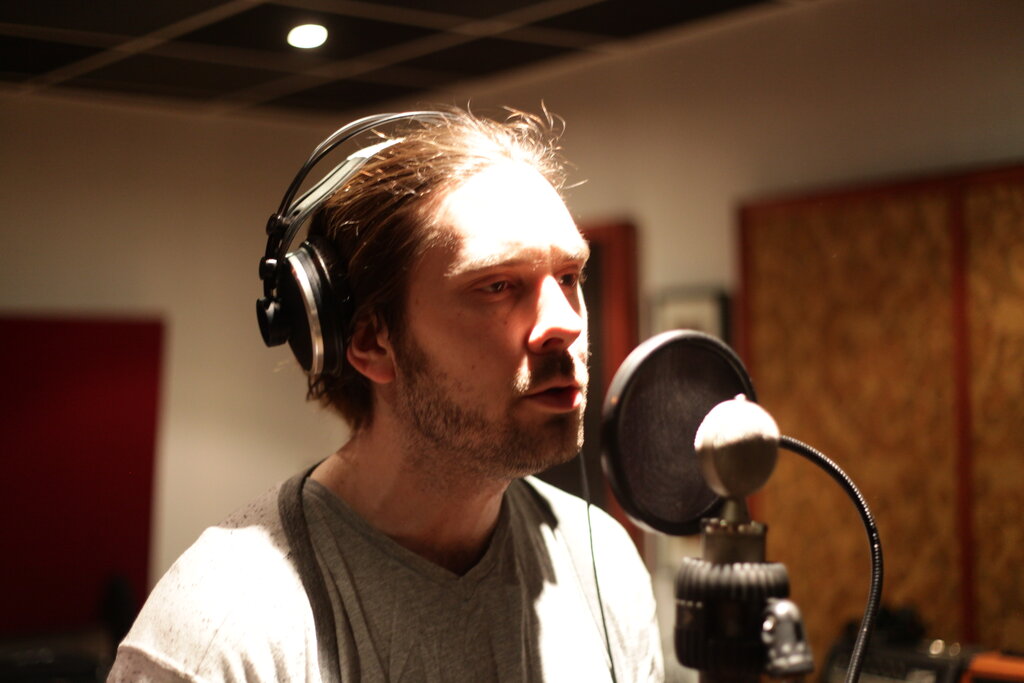
As you advance, you can work with a coach to expand your vocal range, smooth out the transition between your chest and head voice, and develop better pitch accuracy. Consistent, mindful practice is key. Just like any other muscle, your voice gets stronger with regular training.
Your voice is an instrument. Train it, protect it, and it will serve you well for years to come.
Pick Up an Instrument
While you don't need to be a virtuoso, knowing your way around a chordal instrument is a massive advantage for any pop artist. The piano and guitar are the two most common choices for a reason: they're perfect for songwriting, accompanying yourself, and working out musical ideas.
The piano lays out all the notes visually, which makes understanding chords and melodies more intuitive. The guitar is portable and central to the sound of many pop genres. Learning either will dramatically improve your ability to write songs and communicate with other musicians.
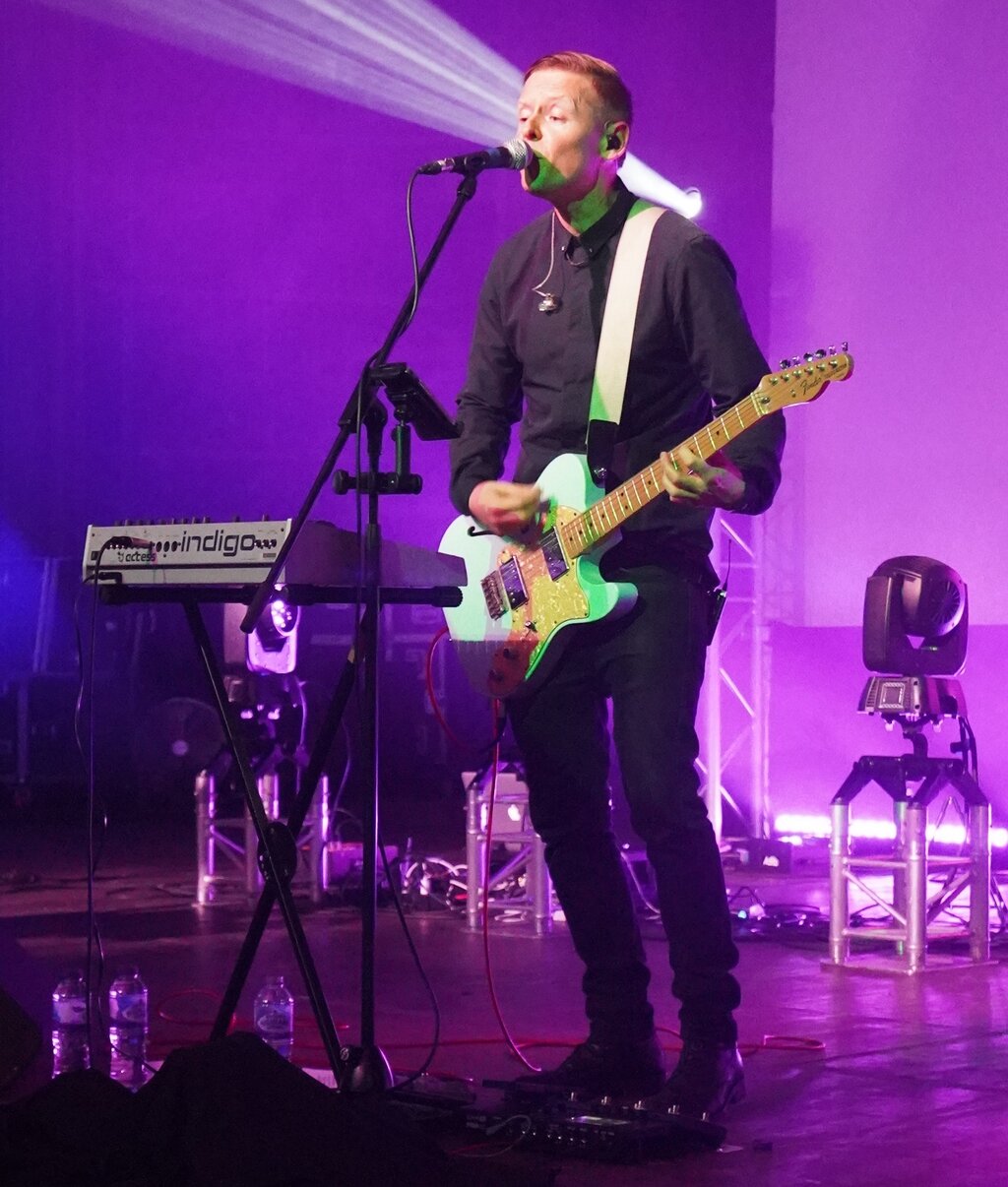
Start by learning basic chords. Most pop songs are built on just a handful of them. Once you're comfortable, practice playing and singing at the same time. This coordination is a skill in itself and is fundamental for performance.
A balanced practice routine should include warm-ups, technical exercises, repertoire, improvisation, and ear training.
Learning an instrument also unlocks a deeper understanding of music theory. You'll start to see the patterns behind the music you love, like why certain chord progressions feel so satisfying. Theory provides the vocabulary for your musical ideas. It explains how scales, chords, and melodies fit together to create emotion. You don't need a degree in it, but knowing the basics of keys, time signatures, and song structure will make you a much more effective composer and collaborator.
Own the Stage
A great song is only half the battle. The other half is delivering it in a way that connects with a live audience. Stage presence is the magic that turns a performance into an experience. It’s about confidence, energy, and storytelling.
Practice performing in front of a mirror or for friends. Pay attention to your body language. Are you standing stiffly, or are you moving with the music? Make eye contact. It creates a direct line of communication with your audience, making them feel like part of the show. Think about the story of your song and how your expressions and movements can help tell it.
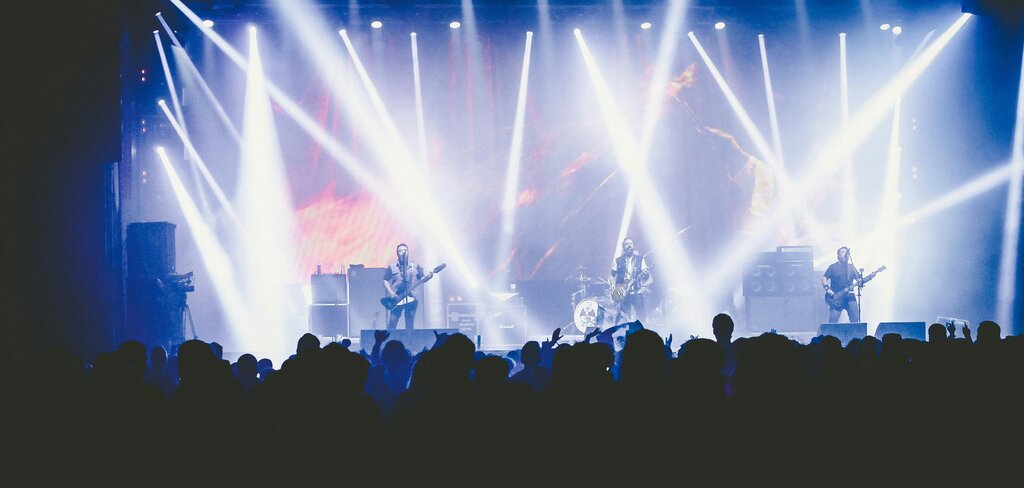
Don't just sing the song, perform it. Your energy on stage is contagious.
Watch your favorite artists perform. Notice how they use the stage, interact with the crowd, and handle moments when things don't go perfectly. Stage presence is a skill you build with practice, just like singing or playing an instrument. The more you do it, the more natural it becomes.
Now, let's test your knowledge on these foundational skills.
According to vocal training fundamentals, which muscle should you primarily use for powerful and steady breath support?
What is the primary benefit of a pop artist learning basic music theory?