The Path to Becoming a Veterinarian
Introduction to Veterinary Medicine
More Than Just Pet Doctors
When you think of a veterinarian, you probably picture someone treating a sick cat or giving a dog its yearly shots. That’s a huge part of the job, but the world of veterinary medicine is much broader and has a surprisingly long history.
Caring for animals has been a human concern for millennia, especially as societies began domesticating animals for food and labor. Early practices were a mix of folklore and practical experience, focused on keeping valuable livestock like horses and cattle healthy. The formal study of veterinary medicine began to take shape in the 18th century. In 1761, the world's first veterinary school was founded in Lyon, France, marking a shift toward a scientific, evidence-based approach to animal health.
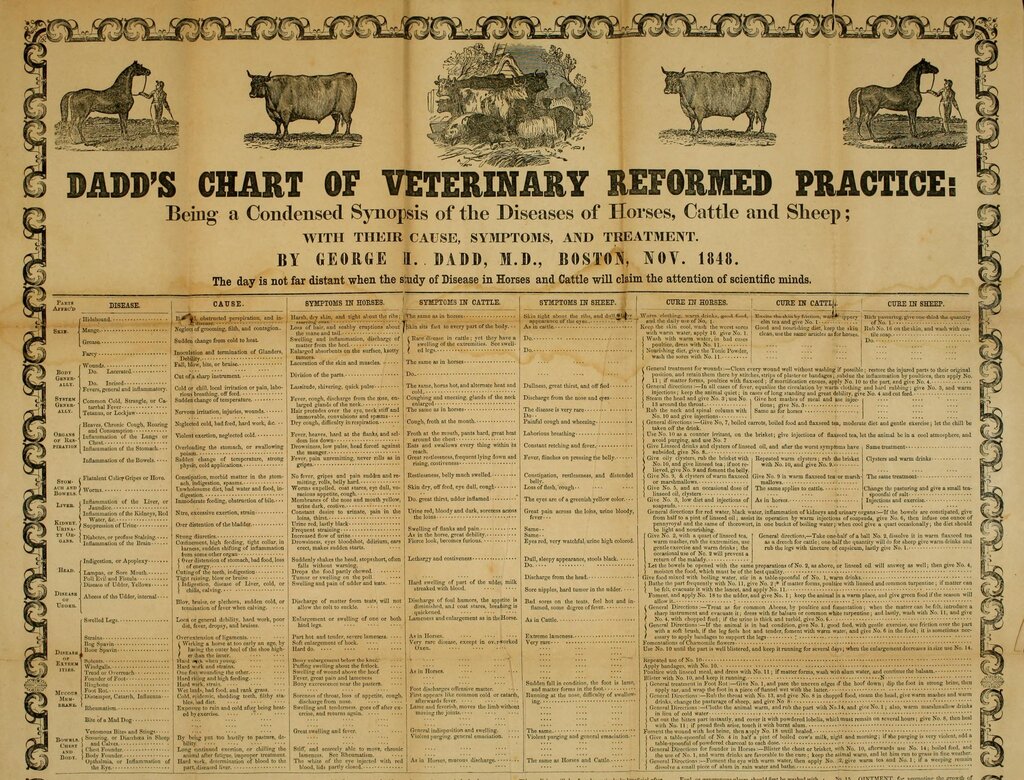
This new profession grew rapidly, recognizing that animal health, human health, and the environment are all interconnected. The principles developed then still form the foundation of modern veterinary practice.
The Veterinarian's Oath
Just like human doctors, veterinarians are bound by a code of ethics. Upon graduating, they take the Veterinarian's Oath, a promise to use their skills for the “benefit of society through the protection of animal health and welfare, the prevention and relief of animal suffering, the conservation of animal resources, the promotion of public health, and the advancement of medical knowledge.”
The core of veterinary ethics is a commitment to prevent and relieve animal suffering while considering the needs of the animal, the owner, and society.
This oath guides veterinarians through complex situations. Ethical dilemmas are common. A vet might need to balance an owner's financial constraints with the best possible treatment for a pet. They also make difficult decisions about euthanasia to end an animal's suffering when a good quality of life is no longer possible. Central to this is the veterinarian-client-patient relationship (VCPR), a formal agreement that the vet will assume responsibility for making clinical judgments about the animal's health.
A Diverse Profession
Veterinarians work in a huge variety of settings, and many never see a pet cat or dog in their daily work. Their responsibilities are incredibly diverse.
Many work in private practice, focusing on companion animals (like dogs and cats), equine medicine (horses), or food animal medicine (cows, pigs, sheep). Others play a critical role in public health by working for government agencies to control the spread of zoonotic diseases—illnesses that can pass from animals to humans, like rabies or avian flu. They inspect meat and poultry to ensure our food supply is safe.

In the world of research, veterinarians are essential. They work in universities, government labs, and pharmaceutical companies, developing new treatments and medicines for both animals and humans. Still others dedicate their careers to wildlife and conservation, treating sick or injured wild animals, managing the health of zoo populations, and studying diseases in natural ecosystems.
Specialty Fields
After becoming a Doctor of Veterinary Medicine (DVM), many vets choose to pursue advanced training to become board-certified specialists in a particular area. This requires several years of internships and residencies, similar to the path for human medical specialists. This expertise allows them to handle the most challenging cases.
| Specialty Area | Focus |
|---|---|
| Surgery | Performing complex operations, from orthopedics to soft tissue procedures. |
| Internal Medicine | Diagnosing and treating complex diseases of internal organ systems. |
| Oncology | Treating cancer in animals with therapies like chemotherapy and radiation. |
| Ophthalmology | Caring for eye diseases and performing delicate eye surgery. |
| Dentistry | Advanced dental care, including root canals and oral surgery. |
| Cardiology | Focusing on diseases of the heart and circulatory system. |
There are over 20 recognized veterinary specialties, each requiring rigorous training and a deep level of knowledge. Now, let's see what you've learned.
The first formal veterinary school, established in 1761, was located in which city?
What is the name of the formal agreement where a veterinarian assumes responsibility for making clinical judgments about an animal's health?
The field of veterinary medicine is a vital, complex profession that extends far beyond the local animal clinic, playing a key role in the well-being of animals, people, and the planet.