The Paradox of Speed in Team Leadership
Understanding 'Going Slow to Go Fast'
The Paradox of Speed
In leadership, there's a constant pressure to move quickly. We celebrate fast decisions and rapid progress. But what if the quickest path to success is actually to slow down? It sounds like a contradiction, but it's a powerful leadership principle: to ultimately go fast, you must first go slow.
Rushing into a project without a clear plan often leads to wasted effort. Teams misunderstand goals, priorities shift constantly, and mistakes pile up. This creates a cycle of firefighting and rework, which slows everything down. A deliberate, thoughtful start prevents this chaos.
Going slow to go fast means investing time upfront in planning, alignment, and building a solid foundation to enable rapid, effective execution later.
Why Deliberate Pacing Works
This approach isn't about laziness or procrastination. It's rooted in organizational psychology. When a leader slows down the initial pace, it creates space for critical thinking and collaboration. Team members have time to ask questions, challenge assumptions, and contribute their own insights. This process builds a shared understanding and commitment to the goal.
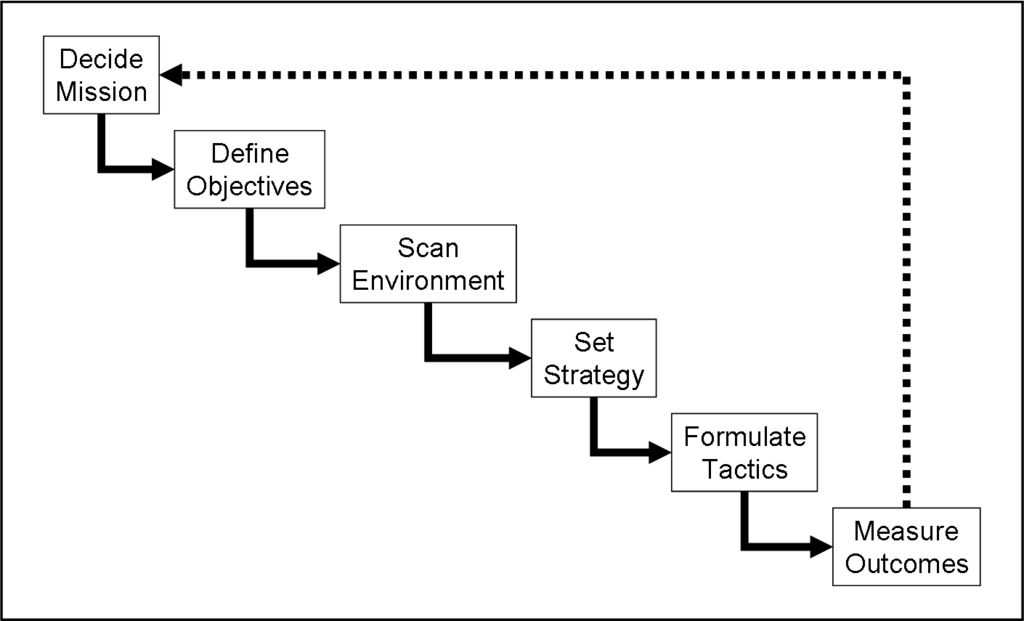
Taking time to define the mission, scan the environment, and set a clear strategy prevents costly pivots later on. When the entire team understands the 'why' behind the work and the 'how' of the plan, they can move with autonomy and confidence. This alignment is what unlocks true speed. Instead of constantly stopping to ask for directions, everyone knows the destination and the route.
Start Slow to Go Fast Ironically, the key to playing fast is to start slow.
Putting It Into Practice
Think of building a house. You wouldn't start throwing up walls on the first day. You'd spend significant time surveying the land, pouring a solid foundation, and framing the structure correctly. The initial work is slow and meticulous, but it allows the rest of the construction to proceed smoothly and quickly. Rushing the foundation only guarantees a weak structure that will need constant, expensive repairs.
In a team setting, this means dedicating real time to the project kickoff. Don't treat it as a formality. Use it to debate strategies, define clear roles, and identify potential risks. By surfacing disagreements and uncertainties early, you can resolve them before they become major roadblocks.
| Phase | Rushed Approach | Deliberate Approach |
|---|---|---|
| Planning | Brief kickoff, unclear goals | In-depth planning, risk assessment, team alignment |
| Execution | Constant changes, rework, confusion | Focused work, clear priorities, high autonomy |
| Launch | Missed deadlines, buggy product | Smoother rollout, higher quality outcome |
| Outcome | Team burnout, mediocre results | Sustainable pace, strong results, team learning |
The contrast is clear. The deliberate approach may seem to lag behind at the start, but it quickly overtakes the rushed one by avoiding friction and rework. The initial investment in clarity and alignment pays off with sustained, focused momentum.
Ready to check your understanding?
What is the central paradox discussed in the text regarding leadership and speed?
According to the text, a rushed project start often leads to a cycle of ______, which ultimately slows down progress.
Embracing a slower, more intentional start isn't a sign of weakness. It's a strategic choice that builds stronger teams and delivers better results in the long run.