The Ottoman Empire A Global Power
Origins and Early Expansion
A New Power in Anatolia
By the late 13th century, Anatolia, the landmass of modern-day Turkey, was a patchwork of territories in flux. The once-mighty Byzantine Empire was a shadow of its former self, clinging to coastal lands. The Seljuk Sultanate of Rum, which had dominated the interior, was crumbling under pressure from the Mongol Ilkhanate.
This power vacuum created an opportunity. Turkish chieftains, leading bands of warriors, carved out small principalities known as beyliks. These were fluid, competitive states, often built on raiding their neighbors. One of the smallest, located on the frontier with the Byzantine Empire, was led by a man named Osman.
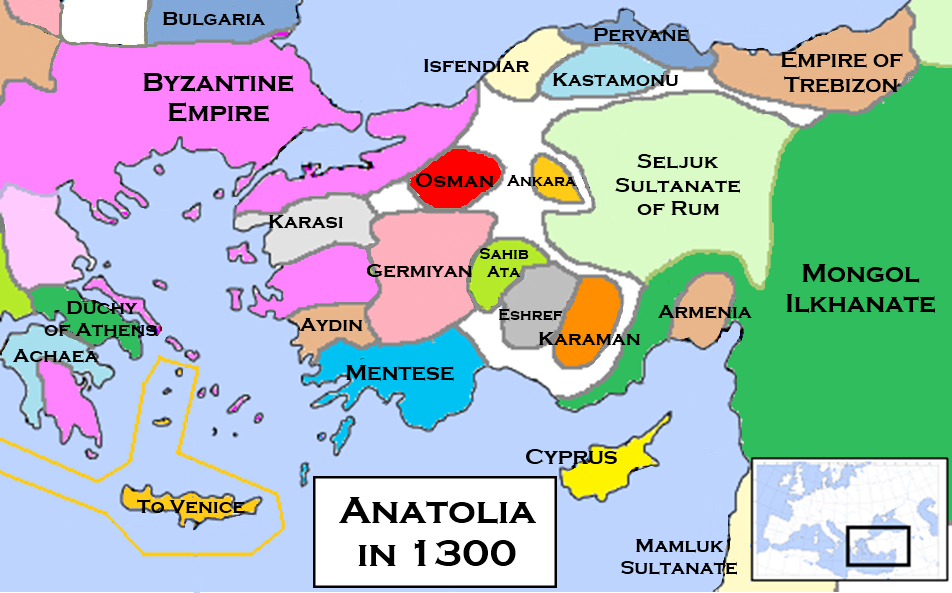
Osman was a gifted leader. His followers, known as ghazis, were warriors motivated by a mix of plunder, honor, and religious zeal. From their small base in Söğüt, they launched relentless raids into Byzantine territory. Success attracted more warriors to his banner, and his small beylik began to grow, swallowing up its rivals.
Historians debate the details of Osman's life, but his legacy is clear. He laid the foundation for an empire that would bear his name, becoming known to the West as the Ottomans.
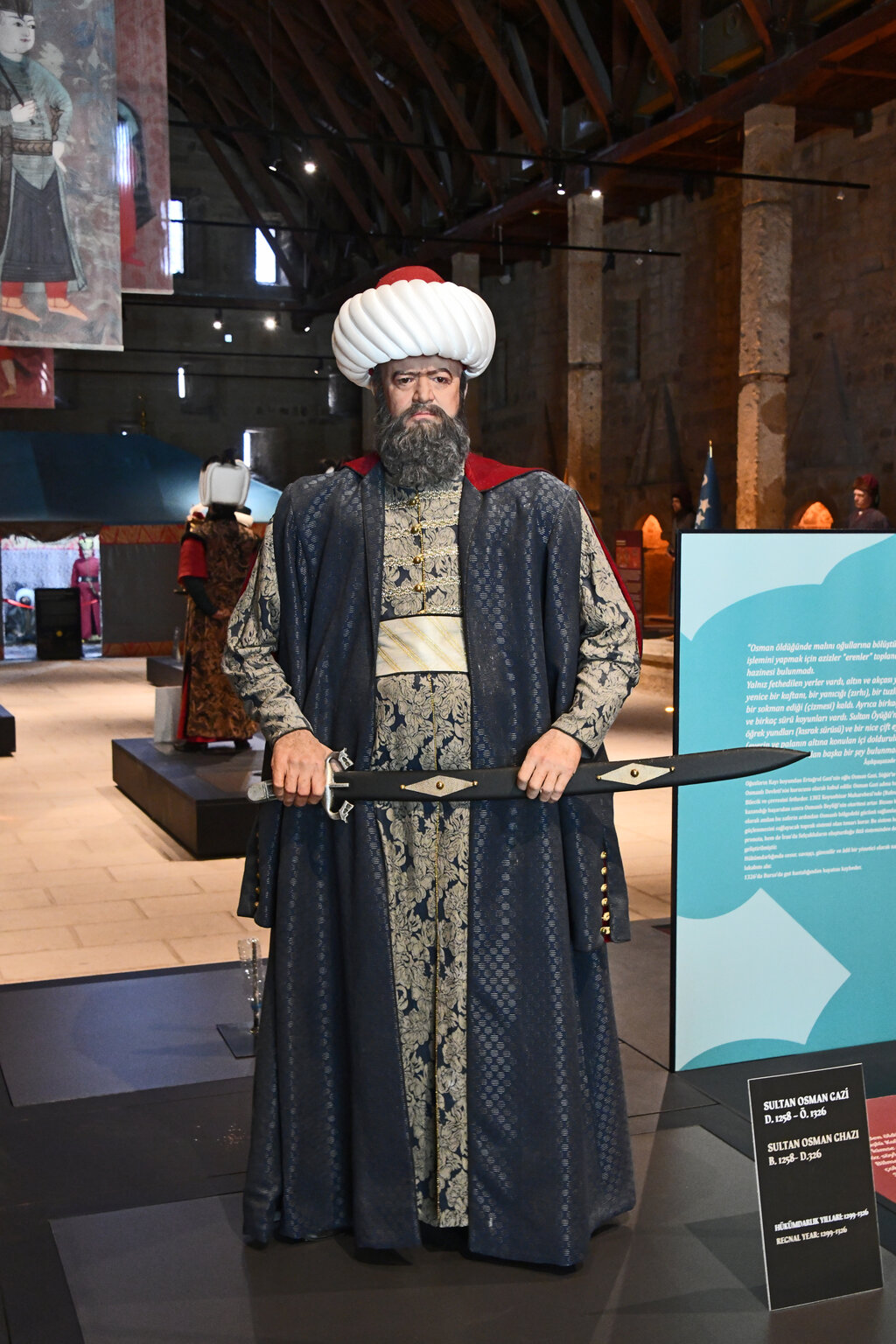
From Beylik to Empire
When Osman died around 1324, his son Orhan took command. Orhan continued his father's work with remarkable success. His first major prize was the city of Bursa. After a long siege, the city surrendered in 1326. The capture of this major Byzantine center was a turning point.
Bursa was not just another conquest. Orhan made it the first official Ottoman capital. This move signaled a shift from a nomadic raiding band to a settled state with ambitions. From Bursa, the Ottomans began to build the machinery of an empire.
With a stable capital in Bursa, the Ottomans could establish formal government institutions, mint their own currency, and organize a more structured military.
Orhan's reign saw the creation of key administrative structures. He established a system of viziers (ministers) to run the government and began organizing a standing army. This included the formation of the Janissaries, an elite infantry unit that would become the backbone of the Ottoman military for centuries. These soldiers were technically slaves of the sultan, raised from a young age to be loyal only to him. This created a professional, disciplined force that gave the Ottomans a significant edge over their rivals.
The Leap into Europe
With Anatolia consolidating behind them, the Ottomans looked across the water to Europe. The Balkans were just as fractured as Anatolia, with the Byzantine, Bulgarian, and Serbian empires all vying for control and weakened by internal conflicts.
In 1354, a stroke of luck handed the Ottomans a permanent foothold in Europe. An earthquake destroyed the walls of the fortress at Gallipoli, on the Dardanelles strait. Orhan's son, Suleiman, seized the opportunity and occupied the town, giving the Ottomans a strategic base from which to launch campaigns into the Balkans. From Gallipoli, Ottoman forces began to push into Thrace, capturing cities like Adrianople (modern Edirne), which would become their next capital.
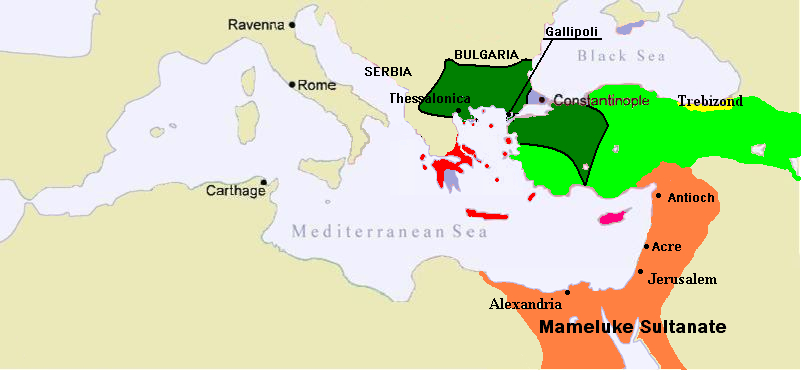
By the time of Orhan's death in 1362, the small beylik he inherited had been transformed. It was now a formidable power straddling two continents, with a sophisticated administration and a powerful army. The foundations for a future world empire were firmly in place.
What was the political situation in Anatolia in the late 13th century, just before the rise of Osman?
The capture of which city marked the Ottoman transition from a nomadic raiding band to a settled state with an official capital?