The Ottoman Empire A Comprehensive History
Origins and Early Expansion
A New Power in Anatolia
In the late 13th century, Anatolia (modern-day Turkey) was a patchwork of small Turkish principalities, known as beyliks. The once-mighty Seljuk Sultanate of Rum had crumbled under Mongol pressure, and the Byzantine Empire to the west was a shadow of its former self, weakened by internal conflicts and the Fourth Crusade. This power vacuum created an opportunity for a new leader to emerge.
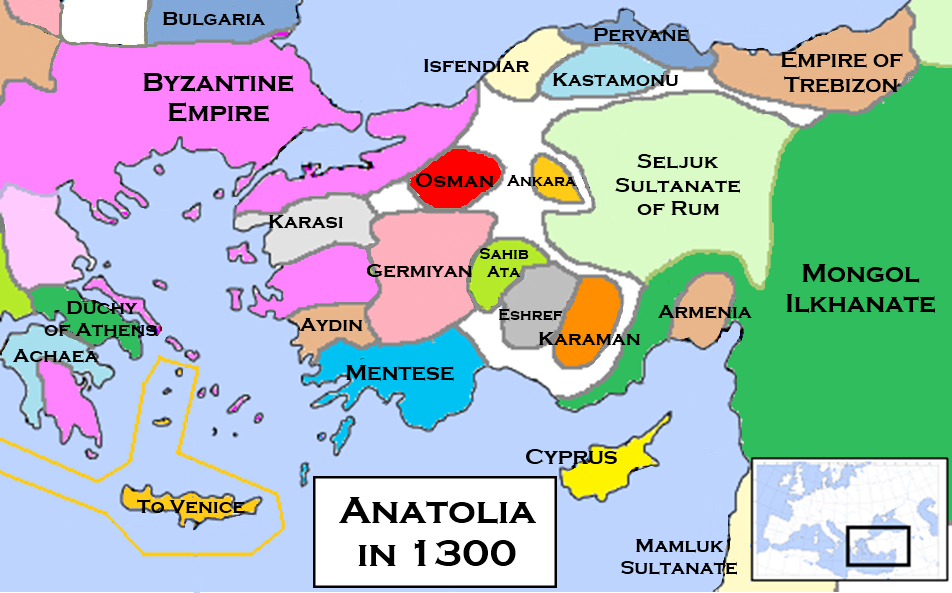
That leader was Osman I. From his small beylik near the Byzantine frontier, Osman began a campaign of conquest. His success was fueled by a warrior ethos and the strategic goal of expanding into Byzantine lands. He attracted many followers, including other Turkish tribesmen and warriors known as ghazis, who were motivated by both plunder and religious zeal.
Osman's strategy was patient and effective. Instead of direct assaults on major fortified cities, he and his forces would blockade them, cutting off supplies and forcing them to surrender over time. This method proved successful, steadily expanding the territory under his control.
The capture of Bursa in 1326, shortly after Osman's death, marked a turning point. Led by his son, Orhan, this victory gave the Ottomans their first major city and a formal capital. It symbolized a shift from a nomadic tribal group to a settled, organized state with administrative capabilities.
Crossing into Europe
With a strong base in Anatolia, the Ottomans set their sights on Europe. Their first forays across the Dardanelles strait were often as mercenaries, hired by different factions within the feuding Byzantine Empire. This gave them valuable intelligence about the region's geography and political weaknesses.
The decisive moment came in 1354. An earthquake destroyed the walls of the Byzantine fortress at Gallipoli, and Orhan's son, Suleiman Pasha, seized the opportunity, capturing the city. This gave the Ottomans a permanent and strategic foothold on the European continent. From this beachhead, they could launch further campaigns into the Balkans, bypassing the still-formidable city of Constantinople.
Building an Empire
Rapid expansion required more than just military victories. The early Ottomans were skilled administrators who built institutions that could sustain their growing state. They adopted and adapted practices from the empires they conquered, including the Byzantines and the Seljuks.
One of their most effective administrative tools was the timar system. This was a land grant system where soldiers and officials were given the revenue from a piece of land in exchange for military service. This ensured a loyal and self-sufficient cavalry force without draining the central treasury. Conquered populations were often allowed to keep their religions and customs, provided they paid a tax (jizya). This relative tolerance prevented widespread rebellions and facilitated the consolidation of Ottoman rule.
The Ottoman military also evolved. While it initially relied on Turkish tribal cavalry, the state soon developed a standing, paid army. The most famous component of this was the Janissaries, an elite infantry unit. These soldiers were highly disciplined and loyal directly to the Sultan, giving him a powerful force independent of the regional nobility.
By the end of the 14th century, this combination of military prowess, strategic expansion, and pragmatic administration had transformed a small Anatolian beylik into a formidable empire straddling two continents.
Ready to check your understanding of how the Ottoman Empire began?
What political condition in late 13th-century Anatolia created the opportunity for Osman I to establish his beylik and begin expanding?
What was Osman I's primary military strategy for conquering fortified Byzantine cities?
These early years laid the foundation for an empire that would dominate the region for centuries to come.