The OSI Model Explained
Introduction to Networking
What is a Network?
At its heart, a computer network is simple: it’s a group of two or more computers linked together. This connection allows them to communicate and share resources. Think of it like a conversation. For two people to talk, they need to be connected, whether by being in the same room or on a phone call. Computers are the same.
Network
noun
A collection of computers, servers, mainframes, network devices, peripherals, or other devices connected to one another to allow the sharing of data.
This sharing can include anything from documents and pictures to a single internet connection or a printer. In your own home, you probably have a small network. Your laptop, phone, and smart TV might all connect to your Wi-Fi router. This setup lets all your devices access the internet and sometimes even talk to each other, like when you stream a video from your phone to your TV.
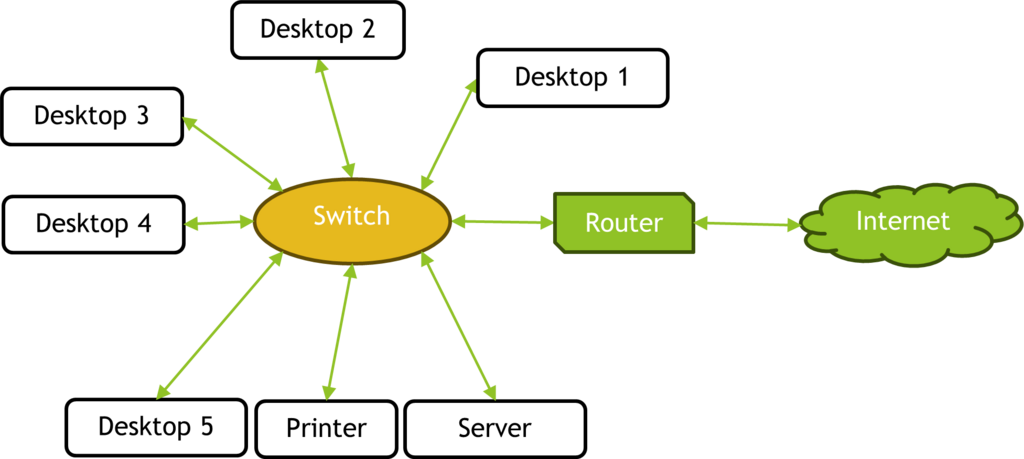
Networks Big and Small
Just like communities can range from a small village to a massive city, networks come in different sizes. We categorize them based on the geographical area they cover.
A Local Area Network (LAN) connects devices within a limited area, like a single office building, a school, or a home. Because the devices are close to each other, LANs are typically fast and reliable.
When you need to connect devices across cities, countries, or even continents, you use a Wide Area Network (WAN). A WAN is essentially a collection of interconnected LANs. The most famous example of a WAN is the internet itself, which connects billions of devices around the globe.
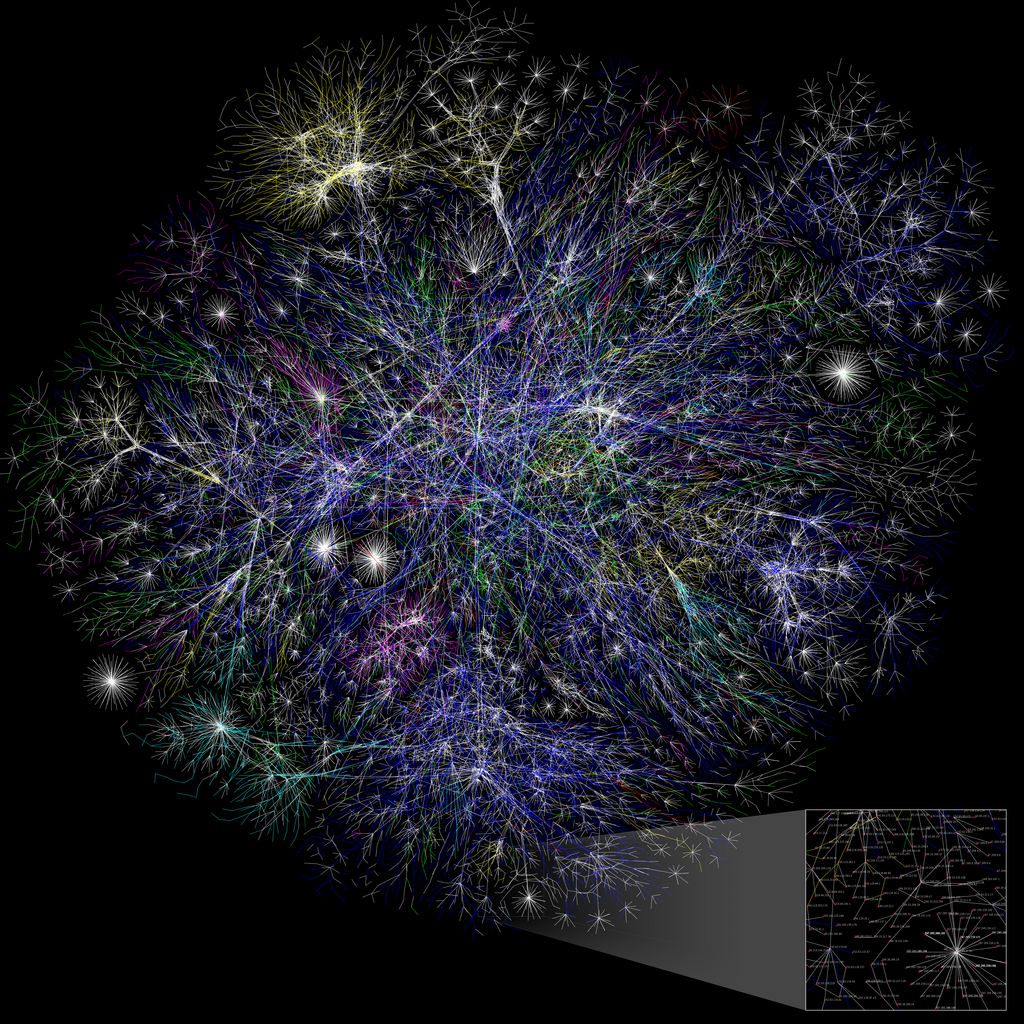
Sitting between these two is the Metropolitan Area Network (MAN). It's larger than a LAN but smaller than a WAN, typically spanning a city or a large campus. A MAN might be used to connect all the branches of a public library system within a single city.
| Type | Scope | Example |
|---|---|---|
| LAN | Room, building, or campus | Your home Wi-Fi network |
| MAN | City or large town | A city's public transit network |
| WAN | Country or the entire globe | The Internet |
How Networks Are Arranged
The way computers are physically or logically arranged in a network is called its topology. Think of it as the network's blueprint or map. The topology affects how the network performs, how expensive it is to build, and how easy it is to troubleshoot problems. Let's look at a few common layouts.
In a Bus topology, all devices share a single communication line. It's simple and cheap, but if the main cable fails, the entire network goes down. A Star topology connects all devices to a central hub. It's more robust; if one connection fails, only that device is affected. This is a very common setup in home networks.
A Ring topology arranges devices in a circle, with data passing from one device to the next. Finally, a Mesh topology connects every device to every other device. This is the most reliable layout but also the most expensive and complex to set up.
The Rules of Communication
For computers on a network to understand each other, they need a common set of rules. These rules are called protocols. A protocol is like a shared language and set of customs for a conversation. It defines how data is formatted, addressed, transmitted, and received.
Protocols ensure that a computer sending a message and a computer receiving it are on the same page, even if they are made by different manufacturers or running different software.
You've probably heard of some of them, like TCP/IP (Transmission Control Protocol/Internet Protocol), which is the foundational protocol suite of the internet. Others include HTTP (Hypertext Transfer Protocol) for web browsing and SMTP (Simple Mail Transfer Protocol) for email. You don't need to know the details of each one right now. Just remember that protocols are the essential rules that make orderly network communication possible.
With these basics in mind, you're ready to explore how these pieces fit into a larger, more structured framework.
What is the fundamental purpose of a computer network?
The internet, which connects billions of devices across the globe, is the largest example of which type of network?
Understanding these core concepts is the first step in mastering how networks operate. They provide the foundation for everything that comes next.