The Oscars A Century of Cinema's Golden Statuettes
Origins and Early Years
An Exclusive Club
In the mid-1920s, the head of Metro-Goldwyn-Mayer (MGM) studios, Louis B. Mayer, had an idea. He wanted to create an organization that would serve the burgeoning film industry. His goals were practical: mediate labor disputes without unions, improve the industry's public image, and encourage technical innovation.
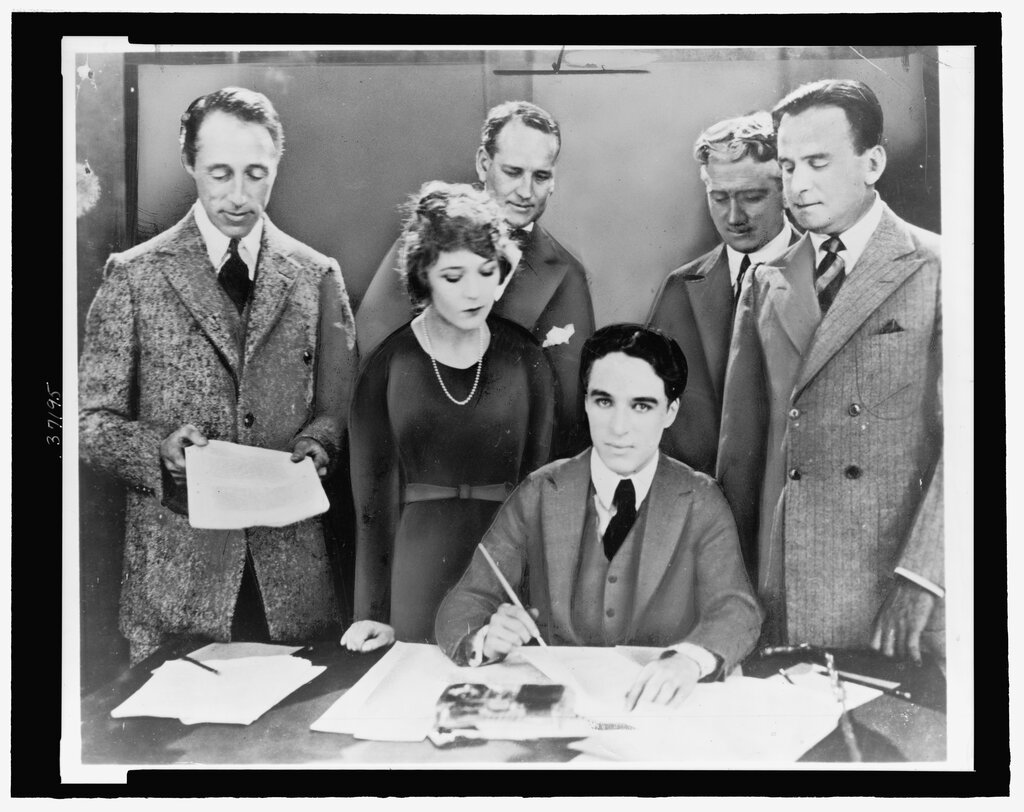
In 1927, Mayer and 35 other influential film figures met and founded the Academy of Motion Picture Arts and Sciences (AMPAS). The organization was split into five branches: producers, directors, writers, actors, and technicians. Giving out awards was almost an afterthought, a small part of their charter to recognize "outstanding achievement."
The First Ceremony
The first Academy Awards ceremony was held on May 16, 1929, in the Blossom Room of the Hollywood Roosevelt Hotel. It wasn't the massive media event it is today. It was a private dinner for about 270 people, and tickets cost $5. The event itself lasted only 15 minutes.
There was no suspense at the first ceremony. The winners had already been announced to the public three months earlier.
The awards honored films released between August 1, 1927, and August 1, 1928. The initial selection process was straightforward. Each of the Academy's branches nominated achievements in their respective fields. Then, a central Board of Judges, made up of one member from each branch, selected the final winners.
The First Awards
That first night, 12 statuettes were handed out. Some categories, like Best Actor and Best Director, are still around today. Others, like Best Title Writing (for silent films), have long since vanished.
| Category | Winner |
|---|---|
| Outstanding Picture | Wings |
| Unique and Artistic Picture | Sunrise: A Song of Two Humans |
| Best Actor | Emil Jannings for The Last Command and The Way of All Flesh |
| Best Actress | Janet Gaynor for 7th Heaven, Street Angel, and Sunrise |
| Best Director (Dramatic) | Frank Borzage for 7th Heaven |
| Best Director (Comedy) | Lewis Milestone for Two Arabian Knights |
One unique feature of the first ceremony was the existence of two top prizes for Best Picture. "Outstanding Picture" went to the war epic Wings, an award that celebrated overall production quality and commercial success. The other, "Best Unique and Artistic Picture," was awarded to Sunrise: A Song of Two Humans, recognizing artistic merit and innovation. This dual-award system lasted only for the first year.
Even in its infancy, the impact of the awards was clear. Winning an Oscar gave a film and its creators a seal of approval and a significant marketing boost. The small statuette quickly became the ultimate symbol of achievement in the film industry, a tradition that began at a quiet dinner in 1929.
What was one of Louis B. Mayer's primary goals when he proposed the creation of the Academy of Motion Picture Arts and Sciences (AMPAS)?
Which of the following statements accurately describes the first Academy Awards ceremony in 1929?