The Origins of Gold
Introduction to Gold Geology
The Nature of Gold
Gold is one of the most recognizable elements on Earth. Its distinct, slightly reddish-yellow color and metallic shine make it stand out. But its appearance is just the start of what makes it special.
Gold is a bright, slightly reddish yellow, dense, soft, malleable, and ductile metal.
Let's break down a couple of those terms. Malleability means it can be hammered or pressed into incredibly thin sheets without breaking. A single gram of gold can be beaten into a sheet that covers a square meter. Ductility is the ability to be drawn out into a thin wire. That same gram of gold can be stretched into a wire over two kilometers long.
malleable
adjective
Capable of being hammered or pressed permanently out of shape without breaking or cracking.
Chemically, gold is a “noble metal.” This isn't a royal title, but a reference to its resistance to corrosion and oxidation. Unlike iron, which rusts, or silver, which tarnishes, pure gold will maintain its shine for thousands of years. This is because it doesn't react with most other elements, including oxygen.
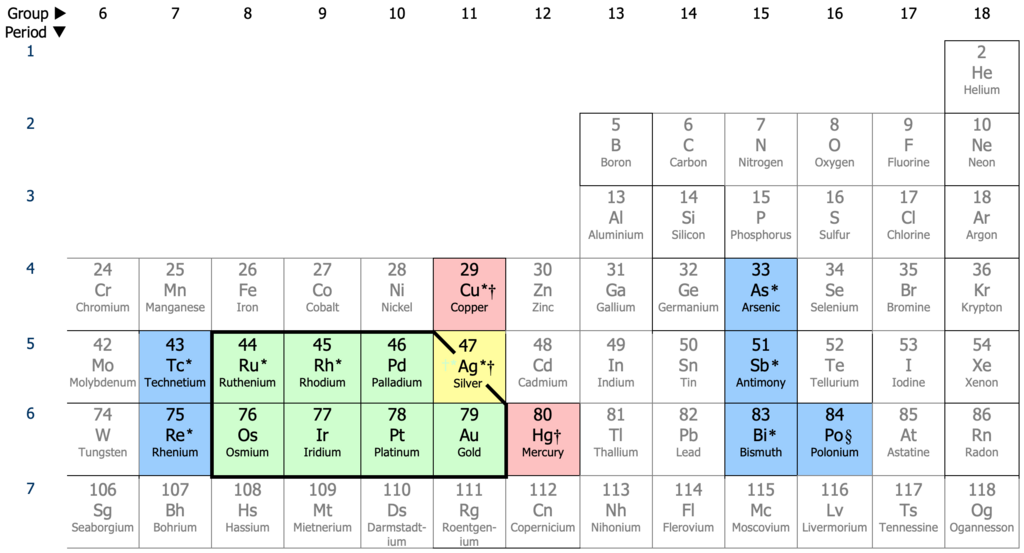
Gold is also incredibly dense. A cubic foot of gold weighs about half a ton. This density played a crucial role in historical gold panning, as the heavy gold flakes would settle at the bottom of a pan while lighter sand and gravel were washed away.
A Rare Find
If you were to grind up a random chunk of the Earth's crust, you'd find very little gold. Its average concentration is only about four parts per billion. This rarity is a key reason for its value.
Gold isn't spread evenly. It's concentrated in specific geological settings. Most of the world's gold is found in quartz veins, where hot, mineral-rich water once flowed through cracks in rocks. As the water cooled, it deposited dissolved minerals, including gold.
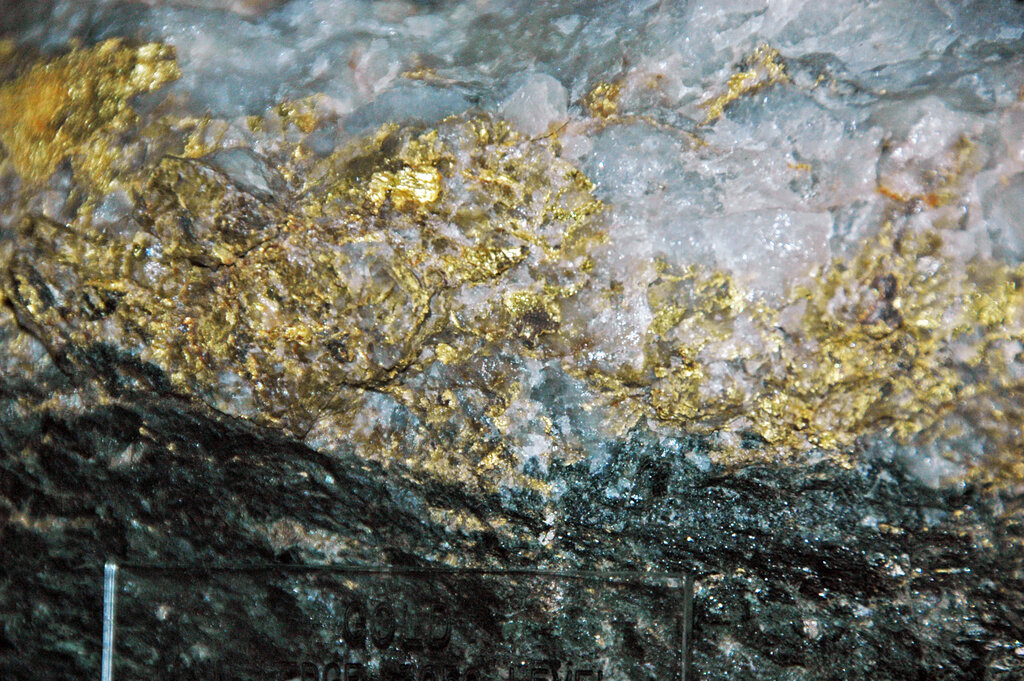
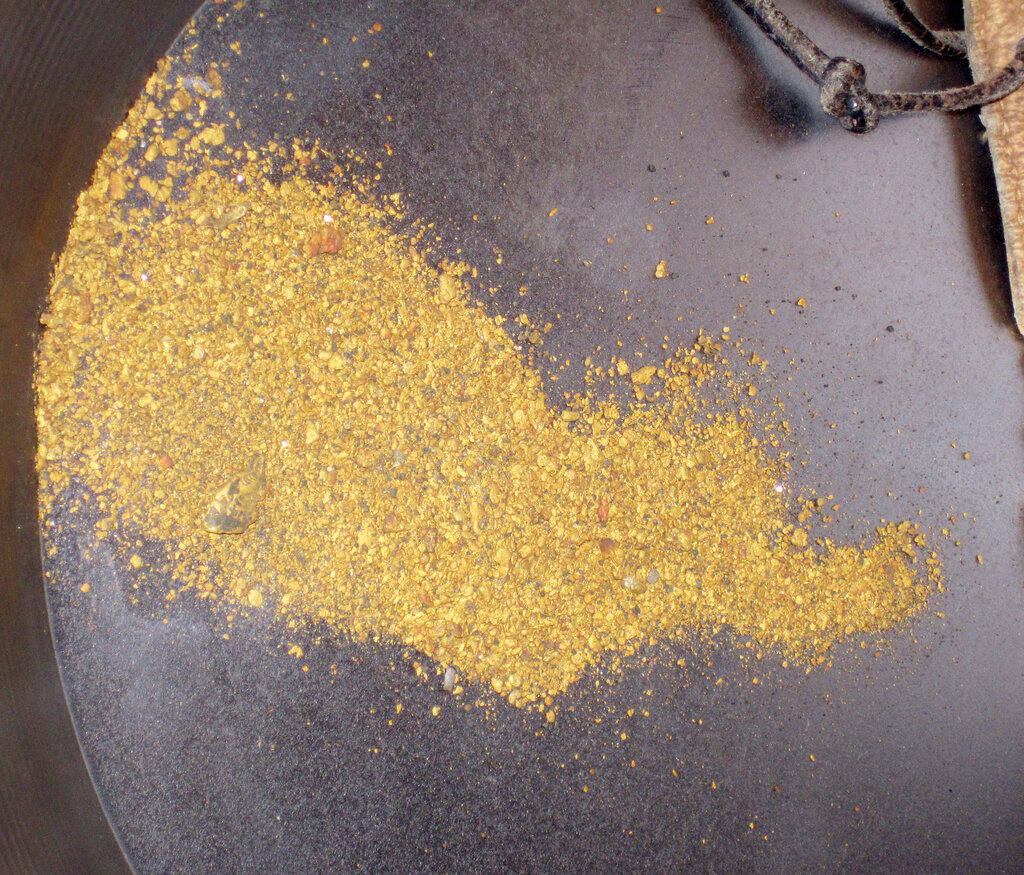
Over millions of years, weathering and erosion can break down these gold-bearing rocks. Rain and rivers then carry the freed gold particles downstream. Because gold is so dense, it settles in riverbeds, sandbars, and floodplains, forming what are called placer deposits. These deposits are the source of gold nuggets and dust found by prospectors.
A Timeless Treasure
Humans have been fascinated by gold for at least 6,000 years. Its beauty, rarity, and permanence made it a natural choice for jewelry, religious artifacts, and currency in ancient civilizations from Egypt to the Inca Empire.
Today, gold's uses have expanded far beyond decoration and money. Its excellent conductivity and resistance to corrosion make it a critical component in electronics. You'll find tiny amounts of gold in smartphones, computers, and GPS devices. Its reflective properties are used in astronaut visors and to coat the windows of large buildings to reflect the sun's heat. Gold is also biocompatible, meaning it doesn't react with the human body, which makes it useful in dentistry and medicine.
From ancient coins to modern circuit boards, gold's unique combination of physical and chemical properties has secured its place as one of humanity's most valuable materials.
Ready to test what you've learned about the fundamental characteristics of gold?
What property of gold allows a single gram of it to be hammered into a sheet that covers a square meter?
Why is gold referred to as a “noble metal”?
Now that you understand the basic geology and properties of gold, you're ready to explore how and where it forms in greater detail.