The Original 34 Pilates Matwork Exercises
Introduction to Pilates Principles
The Core of Pilates
Pilates is more than a series of exercises. It's a method of movement built on a few key principles. Joseph Pilates, its creator, originally called his system “Contrology” because it’s about using the mind to control the muscles. These principles are what turn simple movements into a powerful mind-body workout.
Understanding the principles is fundamental to any Pilates workout and is the difference between getting the most out of your routine and just doing a series of exercises.
Instead of focusing on high repetitions, the goal is to execute each movement with intention. Let's explore the six foundational ideas that guide every Pilates session.
Control and Concentration
The first principle, Control, is central to the entire method. Every Pilates exercise is performed with complete muscular control. There's no room for sloppy, habitual movements. You are in charge of your body, guiding it through each action deliberately. This ensures that the muscles are working effectively and safely.
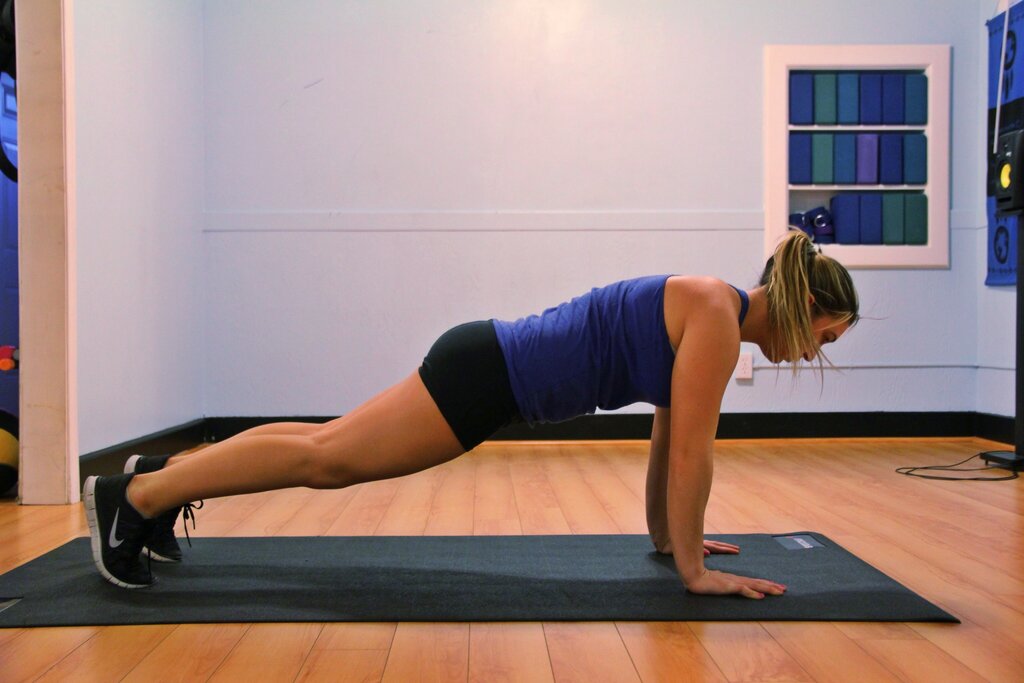
Control is impossible without Concentration. To perform movements correctly, you must be fully present. Your mind needs to be focused on your body, connecting with how each part moves. This isn't about zoning out; it’s about tuning in. By concentrating on your form, you build a strong mind-body connection and get more out of every exercise.
Centering and Breath
In Pilates, all energy for movement begins from your body's core and flows outward to the limbs. This is the principle of Centering. Joseph Pilates called this central area the 'powerhouse,' which includes the muscles of your abdomen, lower back, hips, and buttocks. A strong powerhouse creates a stable foundation for all movement.
Think of your powerhouse as the sturdy trunk of a tree, from which the branches—your arms and legs—can move freely and strongly.
Working hand-in-hand with centering is Breath. Proper breathing is a key part of every movement. The common pattern is to inhale to prepare for a movement and exhale during the most strenuous part. This technique helps you engage your deep abdominal muscles and provides your body with the oxygen it needs. It also helps establish the rhythm for your movements.
Precision and Flow
Precision is about the details. Every movement has a purpose, and every instruction—from the placement of your fingers to the angle of your feet—matters. It's about performing each exercise as exactly as possible. This attention to detail ensures you're targeting the right muscles and aligning your body correctly, which maximizes benefits and prevents injury. It’s quality over quantity.
In Pilates, stretches are performed with precision and control.
Finally, all these principles come together to create Flow. Pilates exercises are meant to be performed in a smooth, graceful, and continuous manner. The movements should transition seamlessly from one to the next, creating an uninterrupted flow. This builds stamina and coordination, turning the workout into something that feels less like a series of disjointed exercises and more like a dance.
With a solid understanding of these six principles, you're ready to approach the exercises with the right mindset. They are the foundation for a safe and effective Pilates practice.