The Optics of Human Vision
Introduction to Light and Vision
What Is Light?
Light is a form of energy that travels in waves, much like ripples spreading across a pond. These waves are part of a vast range of energy called the electromagnetic spectrum. This spectrum includes everything from radio waves and microwaves to X-rays and gamma rays. Our eyes, however, can only detect a tiny sliver of this spectrum.
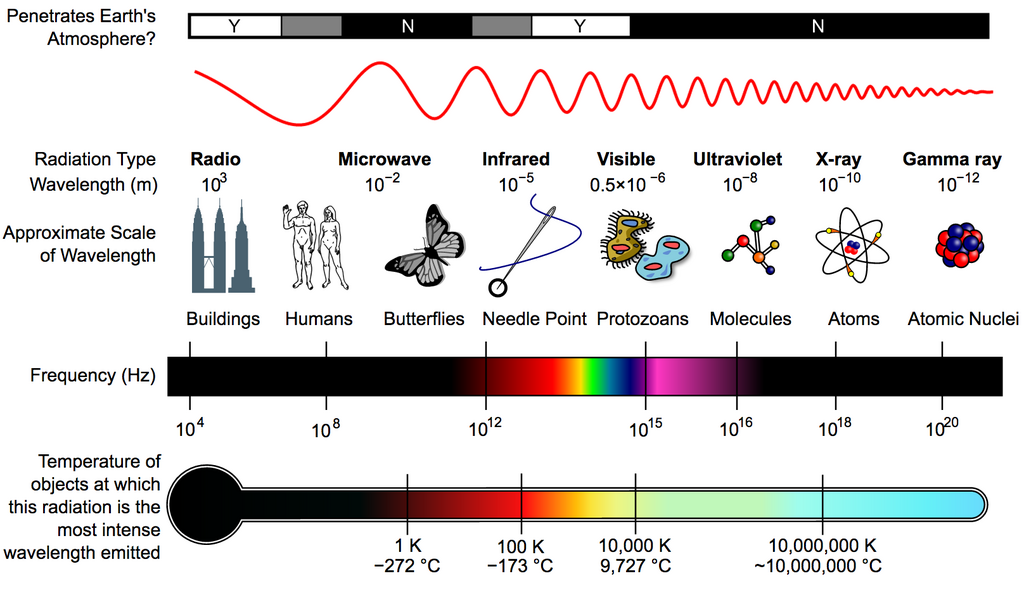
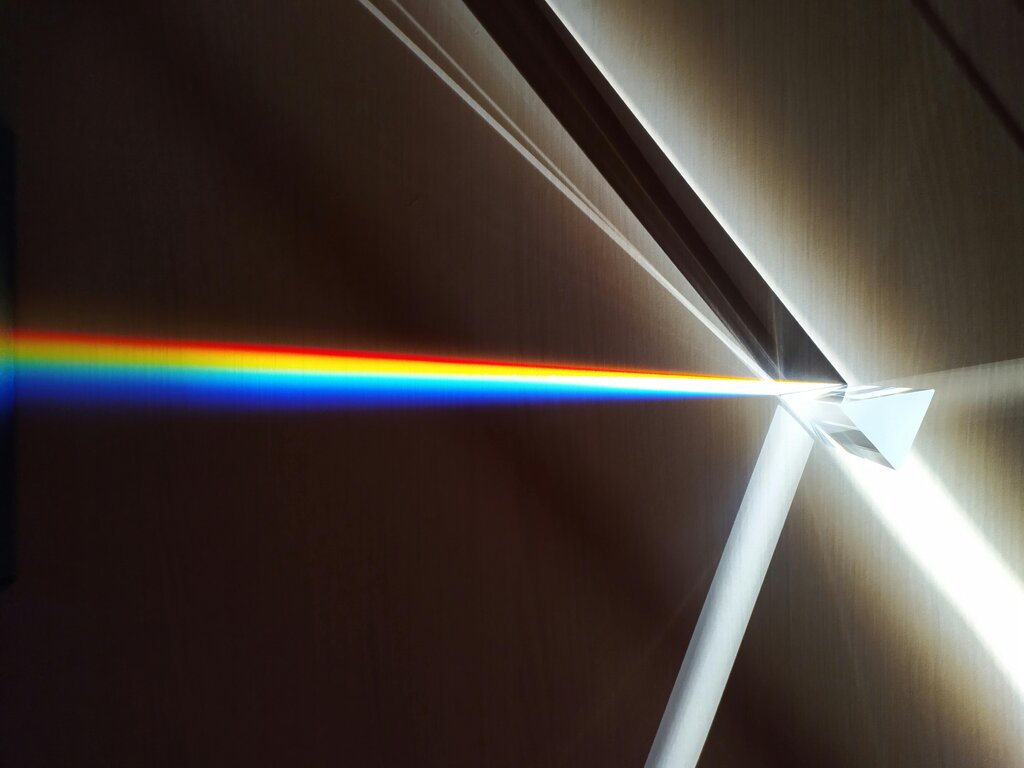
The portion we can see is called visible light. Within this small window, different wavelengths of light appear to us as different colors. The longest wavelengths we can see look red, while the shortest look violet. In between, in order of decreasing wavelength, are all the other colors of the rainbow: orange, yellow, green, blue, and indigo.
How Light Moves
Light travels through space in straight lines. But what happens when it hits an object? Two main things can occur: reflection and refraction.
Reflection
noun
The bouncing of light off a surface.
Reflection is what allows you to see your face in a mirror. The smooth, shiny surface of the mirror bounces light rays back in a predictable way, creating a clear image. Most objects we see aren't mirrors, but they still reflect light. A red apple, for example, absorbs most wavelengths of light but reflects the red wavelengths back to our eyes, which is why we perceive it as red.
Refraction
noun
The bending of light as it passes from one medium to another.
Light travels at different speeds through different materials, or mediums. For instance, it moves faster through air than it does through water or glass. When light crosses the boundary from one medium to another at an angle, it changes speed and bends. This bending is refraction, and it's a key principle behind how lenses work—and how our eyes form images of the world.
The Eye's Basic Toolkit
Your eye is an amazing biological instrument that uses these principles of light to create vision. It has several key parts that work together to capture light and begin the process of seeing.
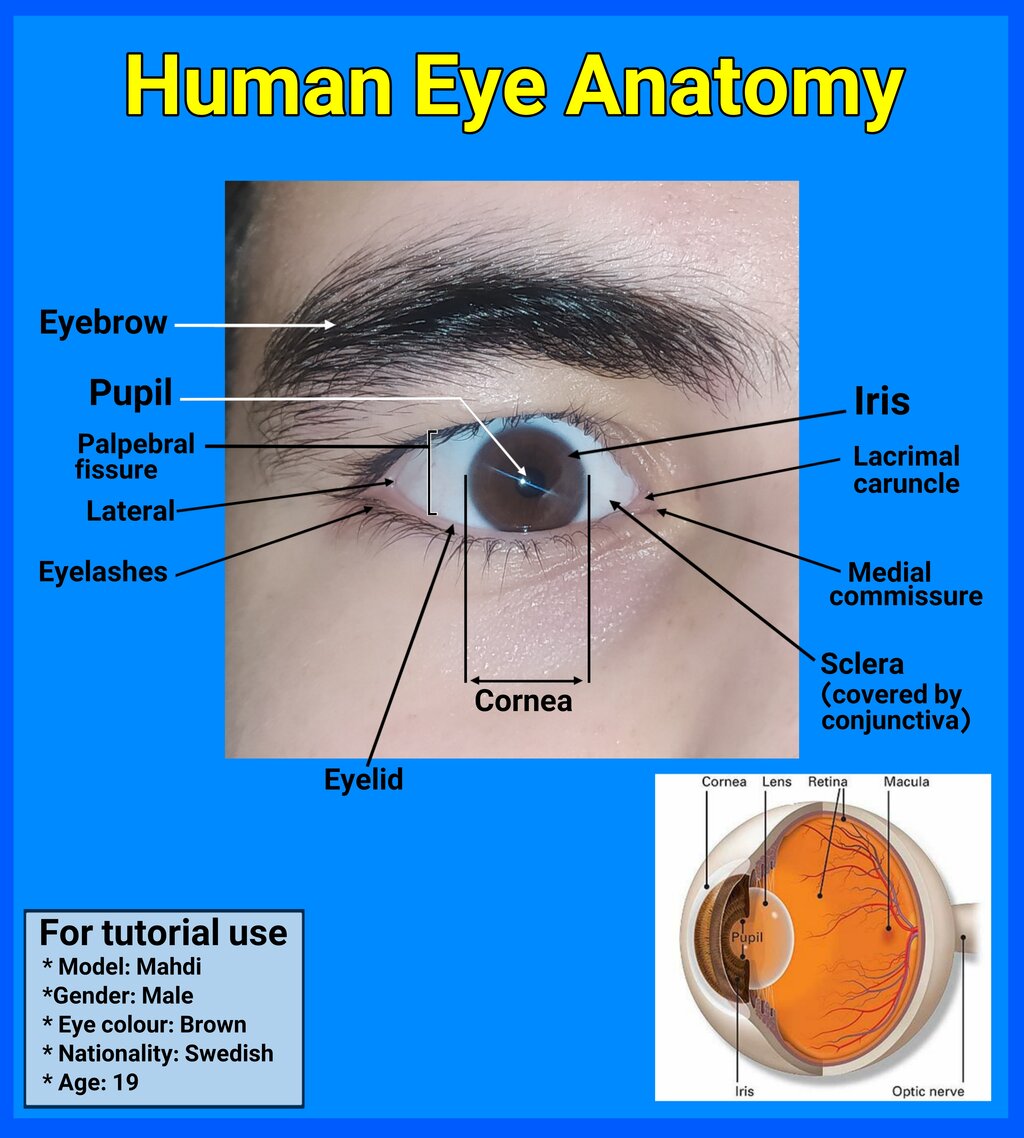
First, light enters the eye through the cornea, the transparent, dome-shaped outer layer at the very front. The cornea acts like a window and does most of the initial focusing of light. It's responsible for about two-thirds of the eye's total optical power because it strongly refracts the light rays passing from the air into its own denser tissue.
Behind the cornea is the lens. The lens is flexible and can change its shape, a process that allows it to fine-tune the focus of the light. This lets you see objects clearly whether they are close up or far away.
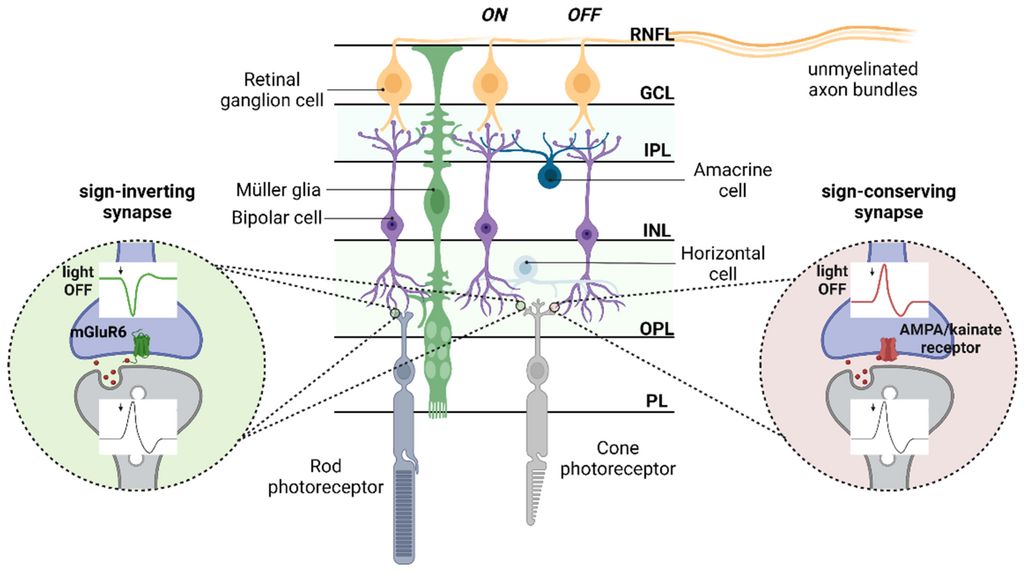
Finally, the focused light travels to the back of the eye and strikes the retina. The retina is a light-sensitive layer of tissue containing millions of specialized photoreceptor cells. There are two types: rods, which detect dim light and are responsible for night vision, and cones, which detect bright light and color.
The cornea provides most of the eye's focusing power, while the lens makes fine adjustments for distance.
The Journey from Light to Sight
Vision begins the moment light hits the retina. When photoreceptor cells in the retina absorb light, they trigger a chemical reaction that creates tiny electrical signals.
These electrical signals are then passed through a network of other cells in the retina, which process the information before sending it on its way. The signals finally travel down the optic nerve, a bundle of nerve fibers that acts like a data cable connecting the eye to the brain.
Once the signals arrive in the brain's visual cortex, they are interpreted. The brain pieces together all the information about light, color, and patterns to construct the rich, three-dimensional image of the world that you perceive. The entire process, from light entering the eye to you recognizing a face, happens in a fraction of a second.
Before we go further, let's review these key concepts.
Ready to check your understanding?
Which part of the electromagnetic spectrum is visible to the human eye?
A blue T-shirt appears blue because it...
Understanding these fundamentals—what light is, how it moves, and the basic parts of the eye—is the first step in appreciating the complex and fascinating science of vision.