The Opc Company Closure
Introduction to Opc Company
The Story of Opc
Before its closure, Opc was a notable name in the enterprise software industry. To understand its journey, it's helpful to look at its origins, what it did, and where it stood among its competitors.
Humble Beginnings
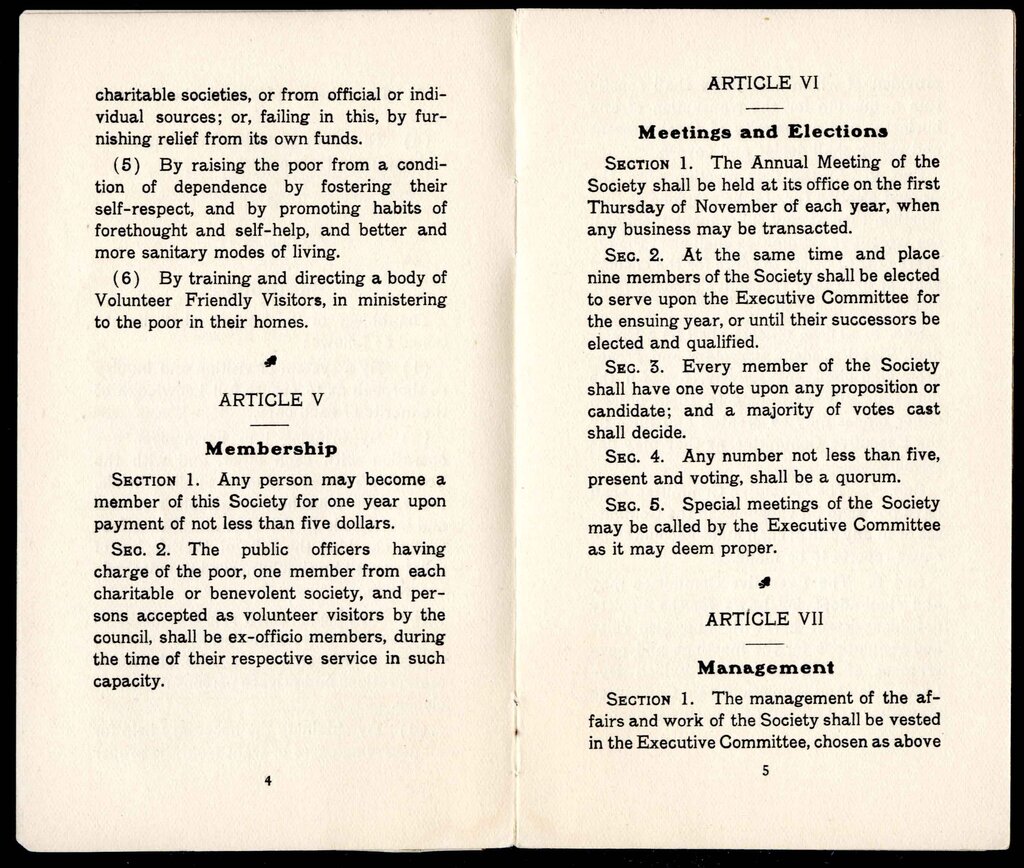
Opc was founded in the late 1990s by a small team of software engineers. Their goal was to create tools that could help large companies make sense of their complex supply chains. The early days were lean, operating out of a small office with a handful of clients. The company's articles of association laid out a vision for a business focused on innovation and client success, principles that guided its growth for years.
By the mid-2000s, Opc had secured significant venture capital funding, allowing it to expand its research and development efforts. This period saw the launch of its flagship platform, "ConnectSphere," which quickly gained a reputation for its powerful analytics and user-friendly interface. The company grew steadily, opening offices in Europe and Asia to support a growing international client base.
What Opc Did
Opc's core business was providing software-as-a-service (SaaS) solutions for supply chain management. Its main product, ConnectSphere, was a cloud-based platform that integrated with a client's existing systems to provide real-time data and insights. The platform helped businesses track inventory, manage logistics, and forecast demand with greater accuracy.
The platform was modular, allowing clients to choose the services they needed. Key modules included:
- Inventory Management: Automated tracking and reordering to prevent stockouts and reduce carrying costs.
- Logistics Optimization: Route planning and carrier selection to minimize transportation expenses and delivery times.
- Demand Forecasting: Using machine learning to predict future sales patterns based on historical data and market trends.
Market Position
In its prime, Opc was considered a strong contender in the mid-tier market for supply chain software. It competed with larger enterprise software giants as well as smaller, specialized startups. Opc's key differentiator was its focus on user experience and its flexible, modular approach, which appealed to companies that found larger systems too complex and expensive.
Opc carved out a niche by offering a powerful, yet accessible, alternative to the industry's established players.
The company was frequently praised in industry reports for its customer support and the tangible return on investment its platform provided. While not the largest player in the field, it maintained a loyal customer base and a solid reputation for innovation and reliability.
Let's check your understanding of Opc's background.
When was Opc founded?
What was the name of Opc's flagship, cloud-based platform?
This foundation gives us the context needed to explore what happened next.