The Odyssey Explained
Introduction to Homer and Epic Poetry
The Mystery of Homer
Who was Homer? The simple answer is that we don’t really know. Tradition holds that he was a blind poet from ancient Greece, the author of two of the most famous stories ever told: The Iliad and The Odyssey. But there’s little concrete evidence about his life. Some scholars believe he was a single, brilliant poet. Others argue that “Homer” might be the name given to a long line of storytellers who refined these tales over generations.
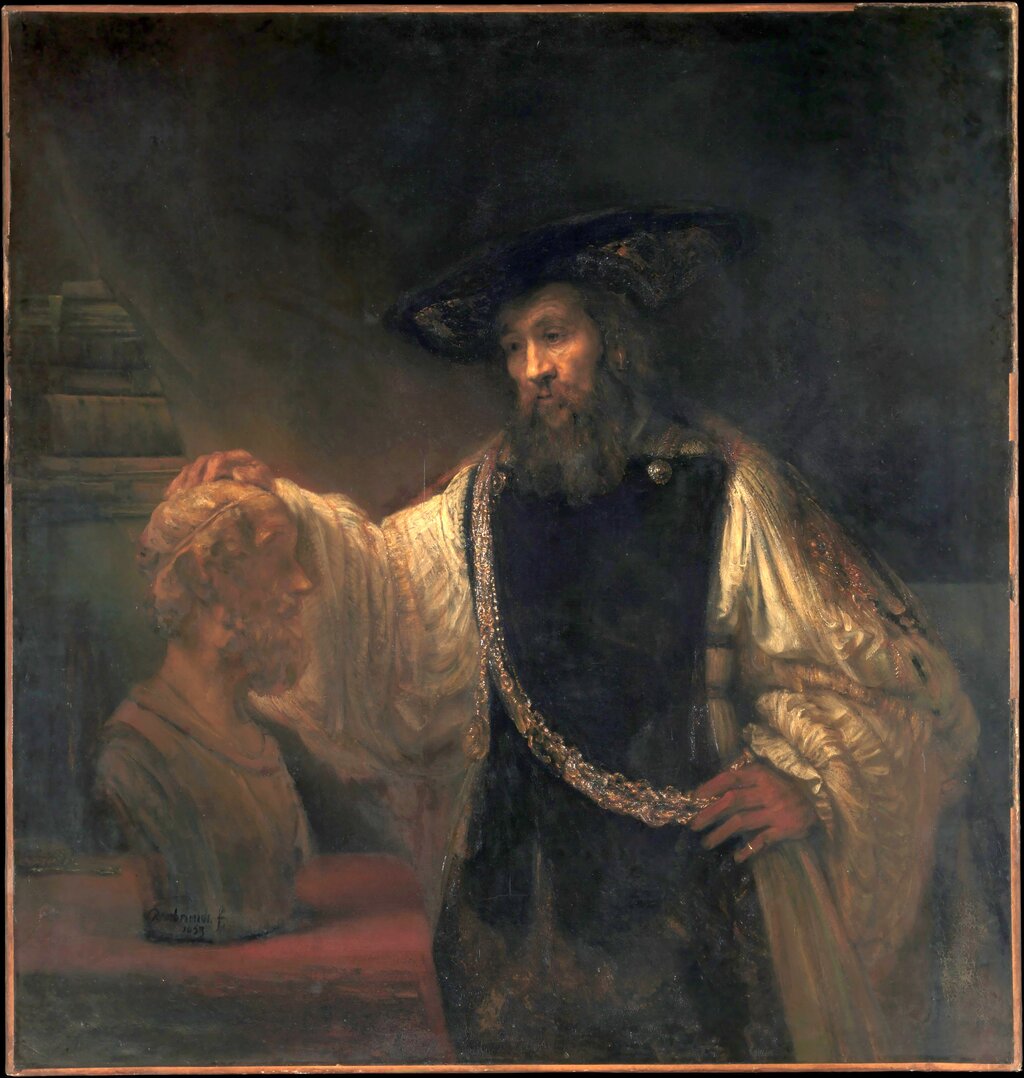
Whether one man or many, Homer’s works are the foundation of Western literature. They offer a window into the values, beliefs, and conflicts of ancient Greece, centered on the legendary Trojan War and its aftermath.
What Makes a Poem Epic?
Homer’s stories are epic poems. This isn’t just a casual term for something long and impressive. Epic poetry is a specific genre with its own distinct features.
An epic is a long narrative poem that follows a heroic figure on a grand journey, often involving supernatural forces and events that are crucial to the identity of a culture or nation.
Think of it as a blockbuster movie in poetic form. The stakes are high, the heroes are larger than life, and the gods themselves often get involved, meddling in human affairs. These poems weren't just entertainment; they were a culture's way of understanding its history and its place in the world.
Homer's epics, the Iliad and the Odyssey, are prime examples of this oral tradition.
Crucially, epics like The Iliad and The Odyssey began as oral stories. Before they were ever written down, they were performed by bards, professional storytellers who would recite the poems from memory, often accompanied by a lyre. This spoken-word origin is the key to understanding their unique structure.
The Rhythm of the Story
Imagine having to memorize thousands of lines of poetry. It sounds impossible, but ancient bards had a system. Homeric epics are composed in a specific meter called dactylic hexameter. This structure gave the poem a distinct, galloping rhythm that made it easier to remember and perform.
dactyl
noun
A metrical foot in poetry consisting of one stressed syllable followed by two unstressed syllables.
Each line of the poem is made of six of these dactyls (or a similar foot called a spondee). You can think of it as a pattern of beats: ONE-two-three, ONE-two-three, ONE-two-three, and so on. This consistent rhythm served as a powerful mnemonic device.
To aid their memory further, bards used formulaic expressions, or repeated phrases that fit neatly into the meter. These are like building blocks for the story.
One of the most common types is the epithet, a descriptive phrase linked to a specific person or thing. Instead of just saying "Odysseus," the poet might say "wily Odysseus" or "much-enduring Odysseus." Achilles isn't just Achilles; he's "swift-footed Achilles." The dawn is almost always "rosy-fingered dawn."
These phrases weren't just decorative. They gave the bard a moment to think of the next line while keeping the rhythm and reminding the audience of a character's key traits.
Now, let's test your understanding of these foundational concepts.
What is the central debate among scholars regarding the identity of Homer?
In Homer's epics, a phrase like "swift-footed Achilles" is a classic example of what literary device?
Understanding these elements—the oral tradition, the steady rhythm of dactylic hexameter, and the use of memorable epithets—is the first step to appreciating the artistry of The Odyssey.