The Oboe's Name
Ancient Double-Reed Instruments
Ancient Origins
The oboe's distinct sound comes from a double reed, where two thin pieces of cane vibrate against each other. This idea isn't new. In fact, it's ancient. Long before the orchestras of Europe, civilizations across the ancient world were crafting instruments that worked on this very principle. These weren't oboes, but they were the oboe's earliest ancestors.
Our journey starts in Mesopotamia, the cradle of civilization. Archaeological evidence points to a double-reed instrument played there thousands of years ago.
Reed pipe
Known as the abud, this simple pipe, likely made from local reeds or bone, was a feature of Mesopotamian life. Carvings and texts suggest it was used in religious rituals and courtly entertainment, its buzzing tone echoing through some of history's first cities.
Pipes of the Empires
Traveling west to ancient Egypt, we find a similar instrument called the majt. Hieroglyphs and surviving artifacts show that the majt was often played in pairs. A musician would play two pipes at once, one for the melody and the other for a constant, droning note. This created a richer, more complex sound than a single pipe could produce.
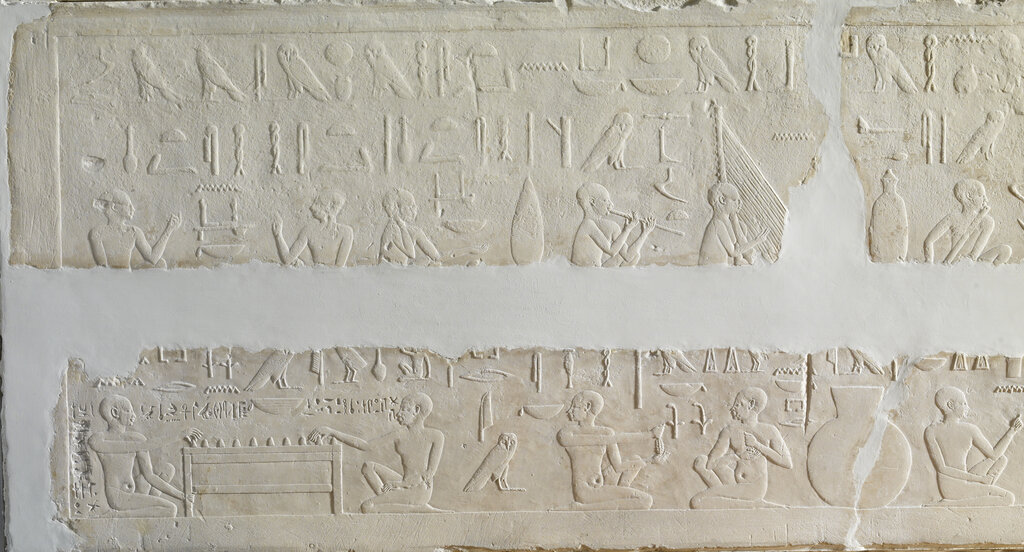
The majt was deeply woven into Egyptian society. It accompanied singers, dancers, and even acrobats. Its sound was present at religious festivals, banquets, and funerals, marking all aspects of life and death along the Nile.
In ancient Greece, the most prominent double-reed instrument was the aulos. It was so important that it was associated with Dionysus, the god of wine, festivity, and theater.
Pipe
Like the Egyptian majt, the aulos was usually played in pairs. The pipes could be of equal or different lengths and were made from cane, wood, bone, or even ivory. An aulete, or aulos player, would wear a leather strap called a phorbeia around their head to support their cheeks, allowing for long periods of continuous playing. The aulos was essential to Greek theater, providing musical accompaniment to the chorus in tragedies and comedies. It was also used in military settings, with its sharp, piercing sound helping to keep soldiers in step.
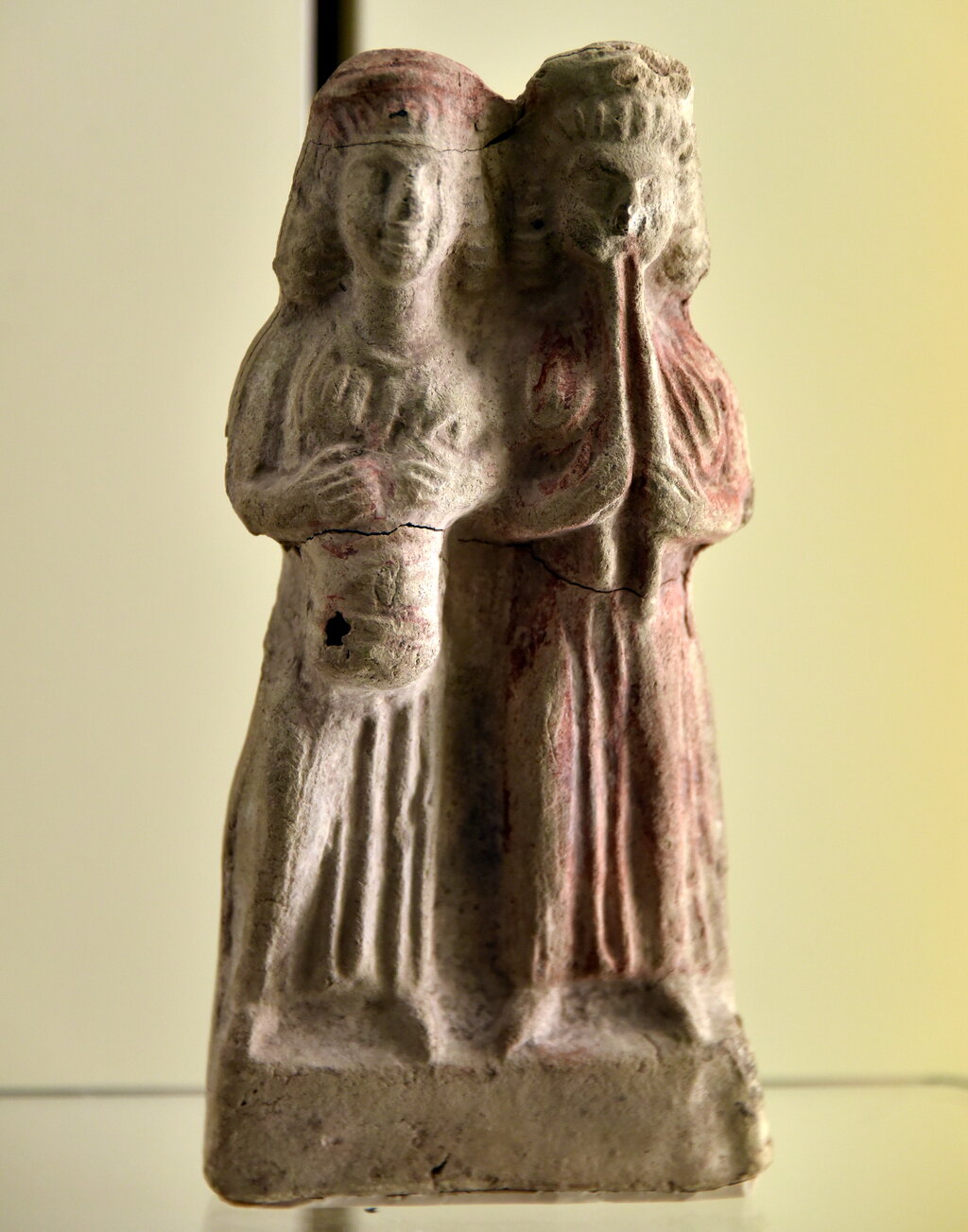
When the Romans conquered Greece, they adopted and adapted many aspects of Greek culture, including their music. The Greek aulos became the Roman tibia.
Shinbone; pipe
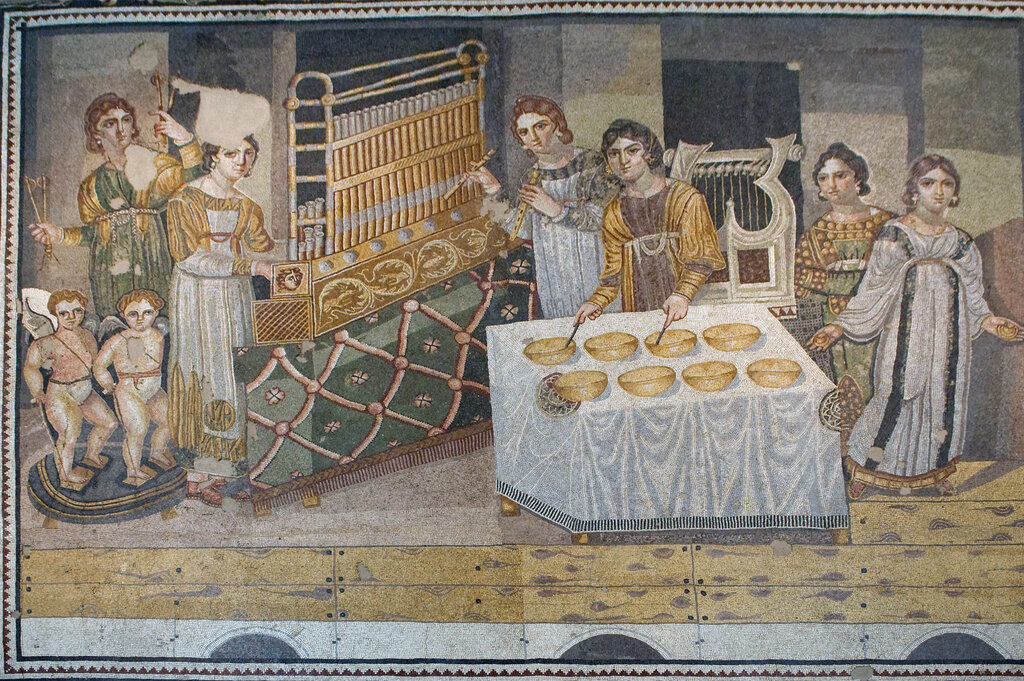
The name tibia likely comes from the fact that the earliest pipes were made from an animal's shinbone. The tibia served many of the same functions as the aulos. It was played at religious ceremonies, public games, and theatrical performances. Roman legions even marched to the sound of the tibia, its music a staple of military and civic life.
Building the Sound
These ancient instruments shared some common features. Their bodies were simple tubes, usually with finger holes drilled along their length. The materials were whatever was available: river cane, hollow bird bones, wood, or for wealthier patrons, ivory and precious metals. The all-important double reed was typically crafted from a single piece of flattened cane, folded over and tied at the base.
The construction was straightforward, but the sound was powerful and evocative, capable of expressing joy, sorrow, and solemnity.
Across these diverse cultures, the role of double-reed instruments was remarkably consistent. They were not just for entertainment. They were integral parts of the most important societal functions, from worshipping the gods to marching into battle. Their penetrating sound cut through the noise of crowds and carried across open fields, making them ideal for public events. These ancient pipes laid the groundwork, both musically and culturally, for the instruments that would eventually evolve into the oboe we know today.
Which of the following ancient double-reed instruments was primarily associated with ancient Greece and the god Dionysus?
What was the primary purpose of the phorbeia used by Greek aulete (aulos players)?