The Oboe's Identity
Introduction to the Oboe
The Oboe's Unique Voice
At the heart of the orchestra, one instrument often cuts through the rest with a clear, insistent voice. This is the oboe, a member of the woodwind family. Its sound is produced not by a single vibrating piece of wood, but by two pieces bound tightly together.
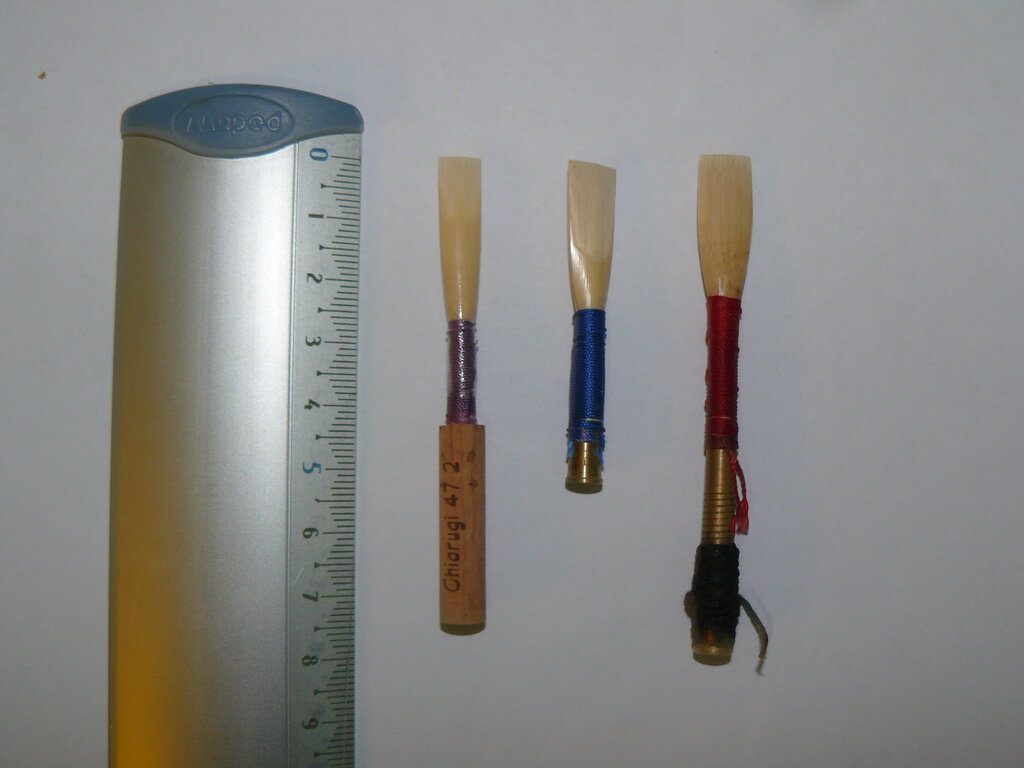
The oboe is a woodwind instrument with a conical bore (a cone-like tube), metal keys, a flared bell and a double reed, which vibrates when the player blows through it.
This double reed is the secret to the oboe's sound. It's made from two thin strips of a specific type of cane, carefully shaped and tied together. When an oboist blows air through the tiny gap between the reeds, they vibrate rapidly against each other. This vibration creates the sound wave that travels down the instrument's body.
The instrument itself is a long, slender tube that gradually widens along its length. This is called a conical bore. The shape of this bore, combined with the double reed's vibration, gives the oboe its characteristic bright, reedy, and almost nasal tone. It's a sound full of expression and color, capable of conveying both deep sorrow and bright joy.
Built for Sound
Professional oboes are typically crafted from a dense, dark wood called grenadilla, or African blackwood. This wood is chosen for its stability and its ability to resonate, which contributes to the instrument's rich tonal quality. Because it's so dense, it resists changes in temperature and humidity that could warp the instrument and affect its tuning.
For student models, manufacturers often use durable synthetic materials like plastic or resin. These instruments are more affordable and can withstand the bumps and drops of a school band room, though they may not produce the same warmth of tone as a wooden oboe.
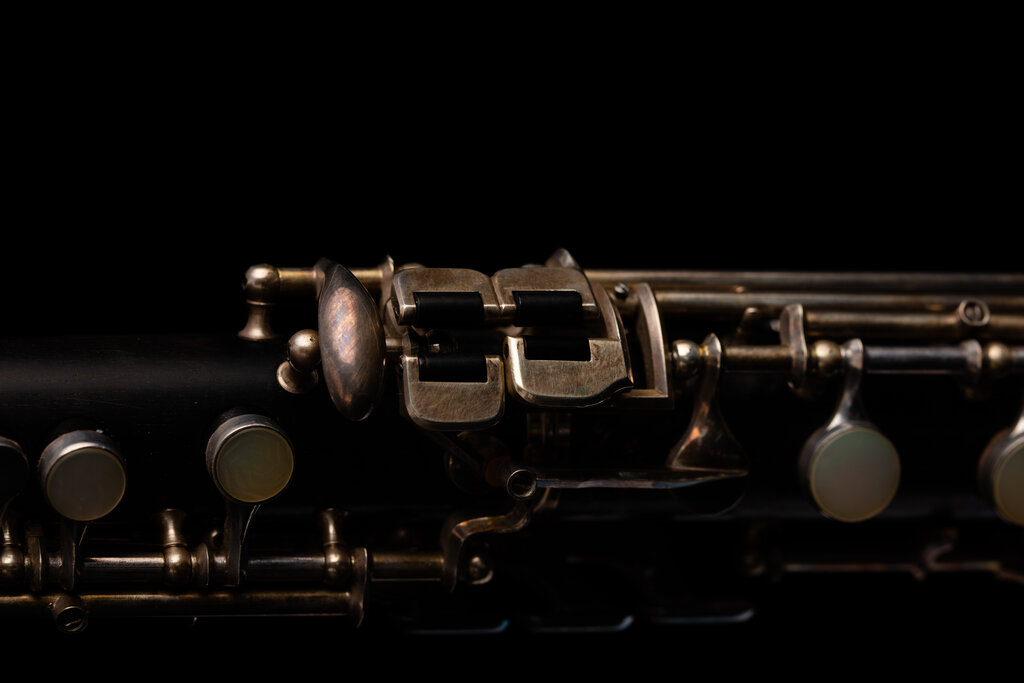
Running the length of the oboe's body is a complex system of keys, levers, and pads. These are usually made of nickel silver or are silver-plated. By pressing different keys, the player opens and closes holes along the tube. This changes the length of the vibrating air column inside, which in turn changes the pitch of the note.
A Voice in the Ensemble
In an orchestra, the oboe has a special job. Before a concert begins, you'll often hear a single, clear note ring out. This is the principal oboist playing an 'A' for the entire orchestra to tune their instruments to. Why the oboe? Its steady, penetrating pitch is easy for other musicians to hear and match.
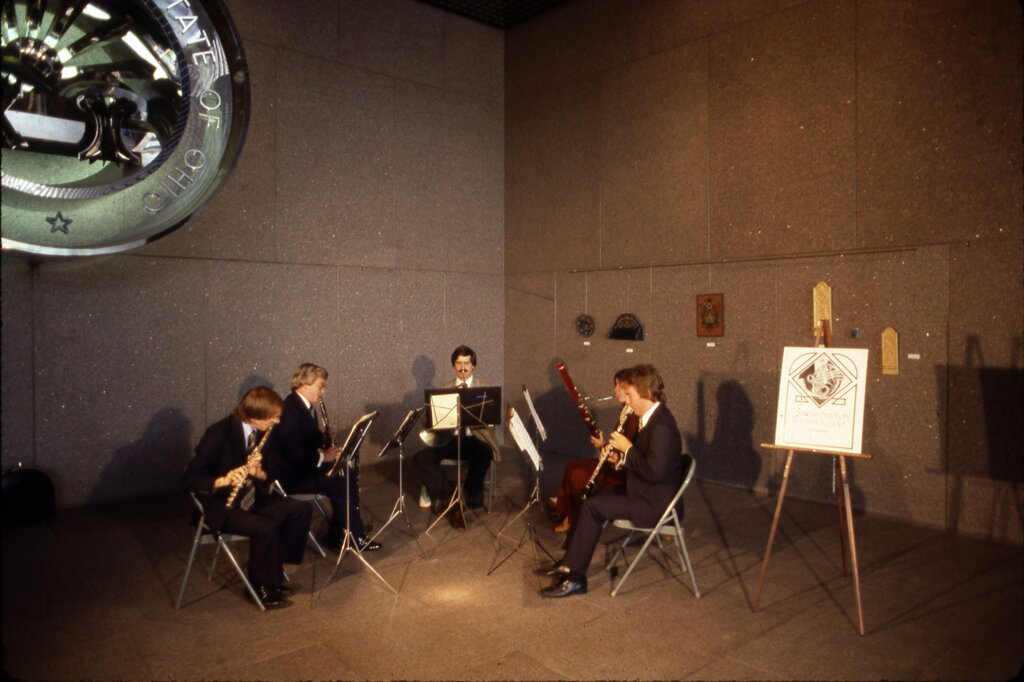
Beyond tuning, the oboe is a prominent solo voice. Composers from Bach to John Williams have used its expressive sound to carry beautiful, memorable melodies. You can hear it in film scores, classical symphonies, and chamber music groups like the woodwind quintet. Its unique timbre allows it to soar over the other instruments without needing to be loud, making it a star performer in any setting.
What is the primary source of the oboe's distinctive sound?
Why is the oboe often chosen to provide the tuning note for an orchestra?