The Oboe Unveiled
Oboe Origins
From Shawm to Oboe
Before the oboe, there was the shawm. For centuries, this loud, powerful double-reed instrument was a staple of outdoor events, from military processions to town festivals. Its conical bore and wide reed gave it a piercing, trumpet-like sound that could carry over long distances. While perfect for open-air fanfare, the shawm's aggressive tone was too much for the refined settings of indoor court music.
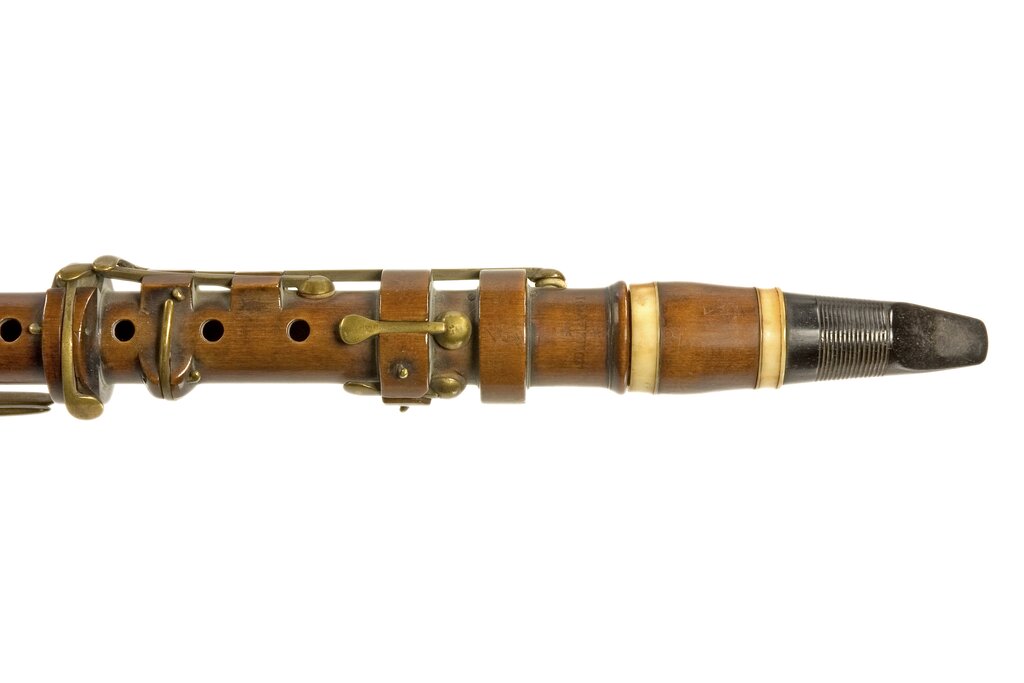
In the mid-17th century, the musical world was changing. Composers and patrons, particularly in the French court of Louis XIV, began to desire instruments with more subtlety and expressive range. The shawm needed a transformation to fit into this new musical landscape. It needed to be tamed.
French Court Innovators
The credit for this transformation largely goes to musicians and instrument makers associated with the French court. Two key figures were Jacques Hotteterre and Michel Philidor. They began experimenting with the shawm's design to create a new instrument, which they called the hautbois, or "high wood."
The (Baroque) oboe was developed from the shawm in the 17th century by the instrument maker Jean de Hotteterre (commissioned by Jean-Baptiste Lully).
Their innovations were crucial. They narrowed the instrument's bore, making the internal channel less flared. They also refined the double reed, making it much narrower and more delicate. Finally, they divided the instrument into three sections, or joints, and added keys. This made the instrument easier to finger and allowed it to play a full chromatic scale with better intonation.
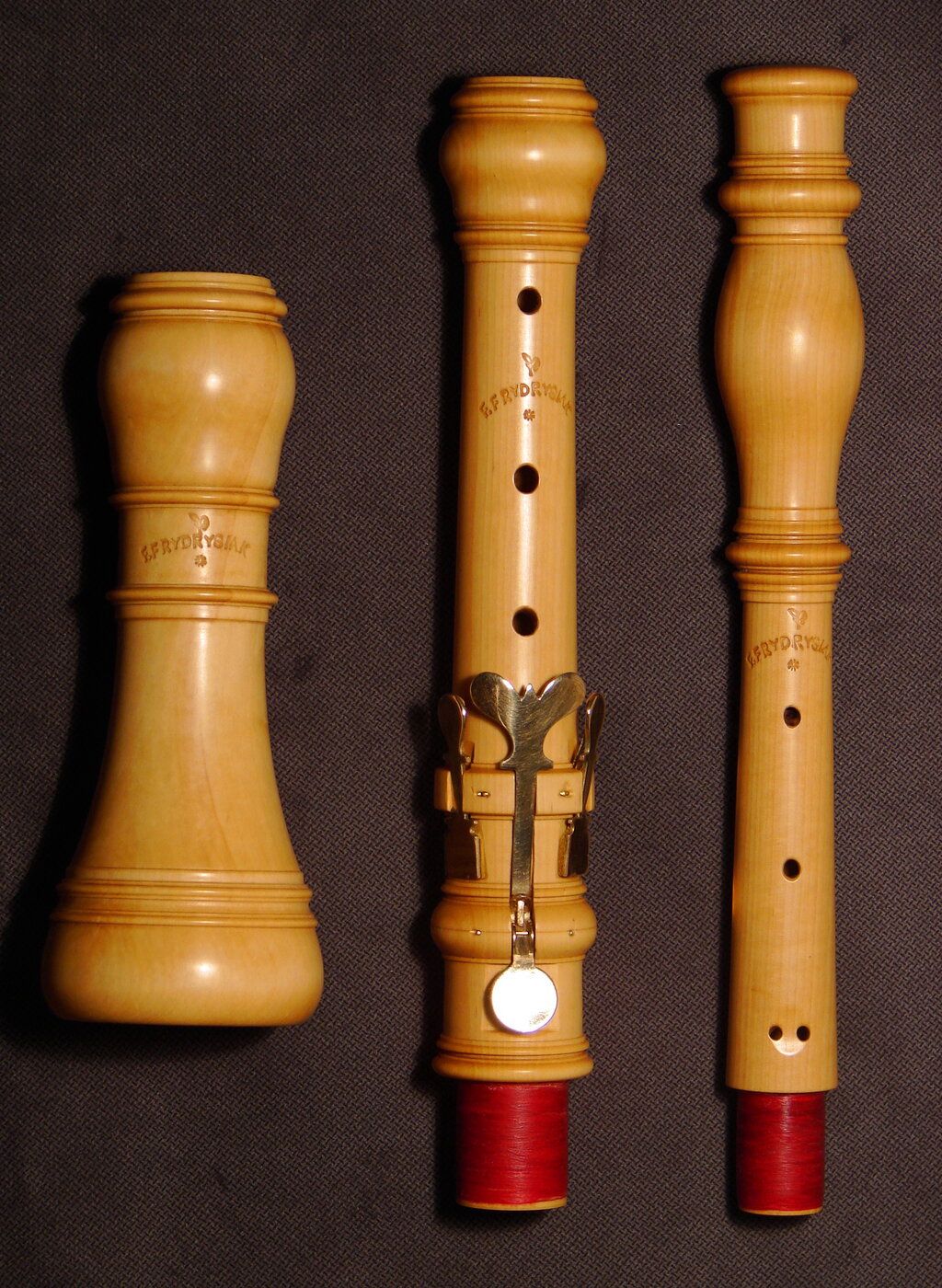
The result was a sound that was sweeter, more focused, and capable of a much wider dynamic range. The new hautbois could whisper as well as it could sing, making it perfect for the intimate chamber music and orchestral works of the Baroque period.
A New Voice in Music
The hautbois, or as we now call it, the oboe, was an immediate success. Jean-Baptiste Lully, the leading composer in Louis XIV's court, was one of the first to incorporate it into his orchestra in the 1660s. Its unique, expressive voice quickly made it an essential part of the woodwind section.
The instrument also found a home in military bands, where it often played the melodic lines, a role it inherited from the shawm. Its clear, penetrating tone could cut through the sound of brass and percussion. Soon, the oboe's popularity spread across Europe, and it became one of the most important solo instruments of the Baroque era, second only to the violin.
Let's review the key points about the oboe's early history.
What instrument is considered the direct ancestor of the oboe?
The primary reason for modifying the shawm into the oboe was to make it more suitable for what kind of setting?
From its rustic beginnings to its place in the royal court, the oboe's journey reflects the changing tastes and technical innovation of the Baroque period.