The Oboe Unveiled
Oboe History
From Shawm to Oboe
The story of the oboe begins with a much older instrument: the shawm. Popular across Europe from the 13th century, the shawm was a loud, conical-bored instrument with a powerful, trumpet-like tone. It was perfect for outdoor events, military bands, and large ceremonies, but its piercing sound was too intense for intimate indoor settings.
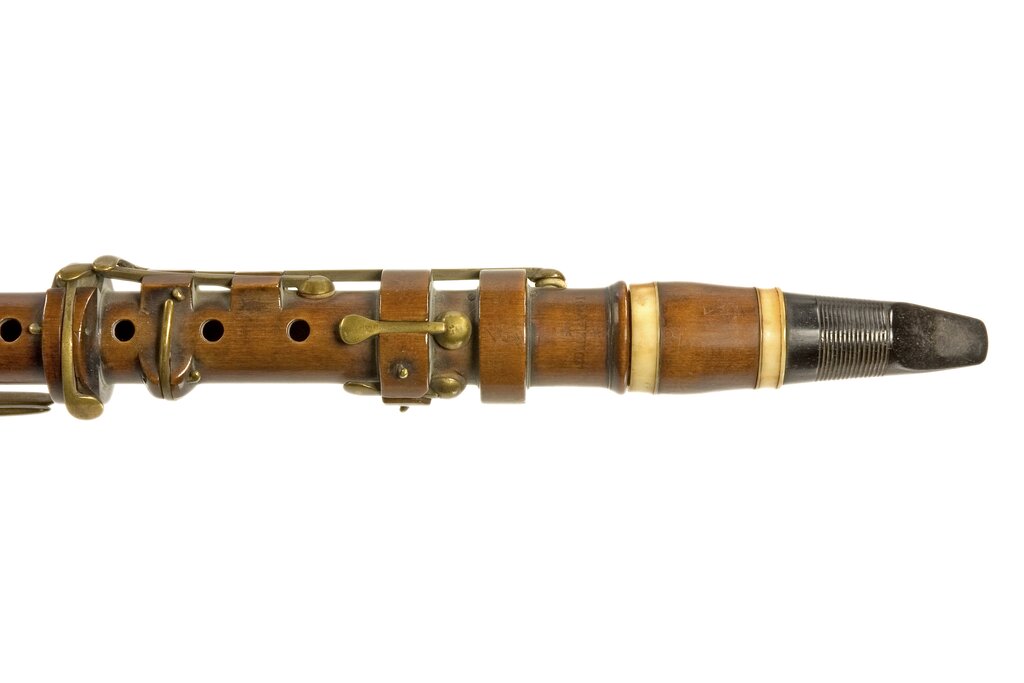
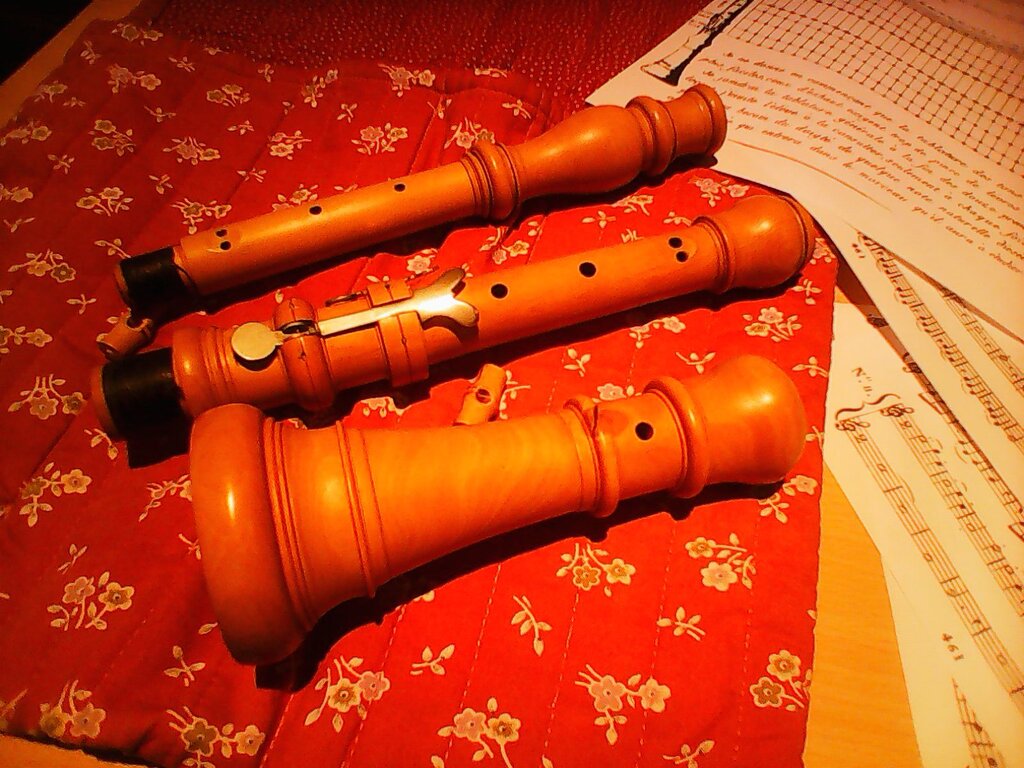
In the mid-17th century, French instrument makers, most notably Jean Hotteterre and Michel Danican Philidor, began experimenting. They refined the shawm's design to create a more delicate and expressive instrument for the court of King Louis XIV. They narrowed the bore, reduced the size of the finger holes, and made the reed much smaller and more controllable. They also constructed the instrument in three distinct sections, or joints, which improved its tuning and portability.
This new instrument was called the hautbois, French for "high wood" or "loud wood." Despite the name, its tone was much sweeter and more nuanced than the shawm's, making it an instant success in the refined world of courtly music.
A Baroque Star
The hautbois, or Baroque oboe, quickly became a star. Composers like Jean-Baptiste Lully, Henry Purcell, and later Johann Sebastian Bach and George Frideric Handel, fell in love with its vocal quality. They gave it prominent solos in orchestral works, chamber music, and cantatas.
The Baroque oboe was typically made of boxwood and had just two or three keys. This simplicity meant that players relied heavily on complex fingerings to play notes outside the instrument's main scale. Its sound was richer and more open than the modern oboe we know today.
Classical and Romantic Refinements
During the Classical period (c. 1750-1820), the oboe continued to evolve. More keys were added, bringing the total to four, then six, and even more. These additions gave the instrument better intonation and made it easier to play in a wider range of musical keys. Composers like Wolfgang Amadeus Mozart showcased its expressive potential in his concertos and symphonies.
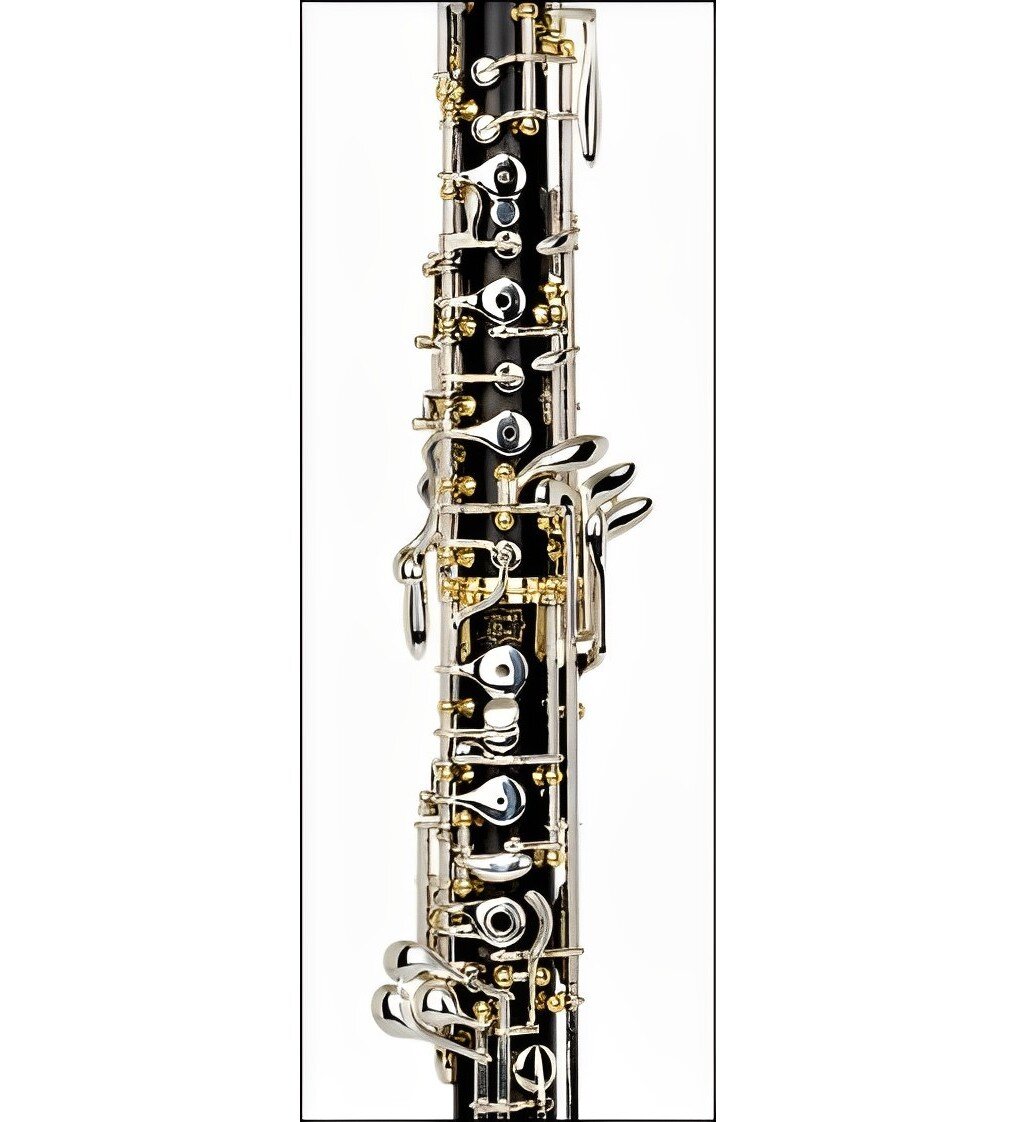
The 19th century brought the most dramatic changes. In Paris, the Triébert family workshop became the epicenter of oboe innovation. Over several decades, they redesigned the instrument, adding a complex system of keys and rings. This new design, known as the "conservatoire system," is the basis for most modern oboes. The bore was further narrowed, and dense tropical hardwoods like grenadilla became the material of choice, producing a darker, more focused, and powerful tone.
This period also saw the rise of virtuoso oboists, such as Gustave Vogt in Paris, who championed the new designs and inspired composers to write increasingly demanding music for the instrument. The oboe had cemented its place as a soulful and essential voice in the orchestra.
The Oboe Family
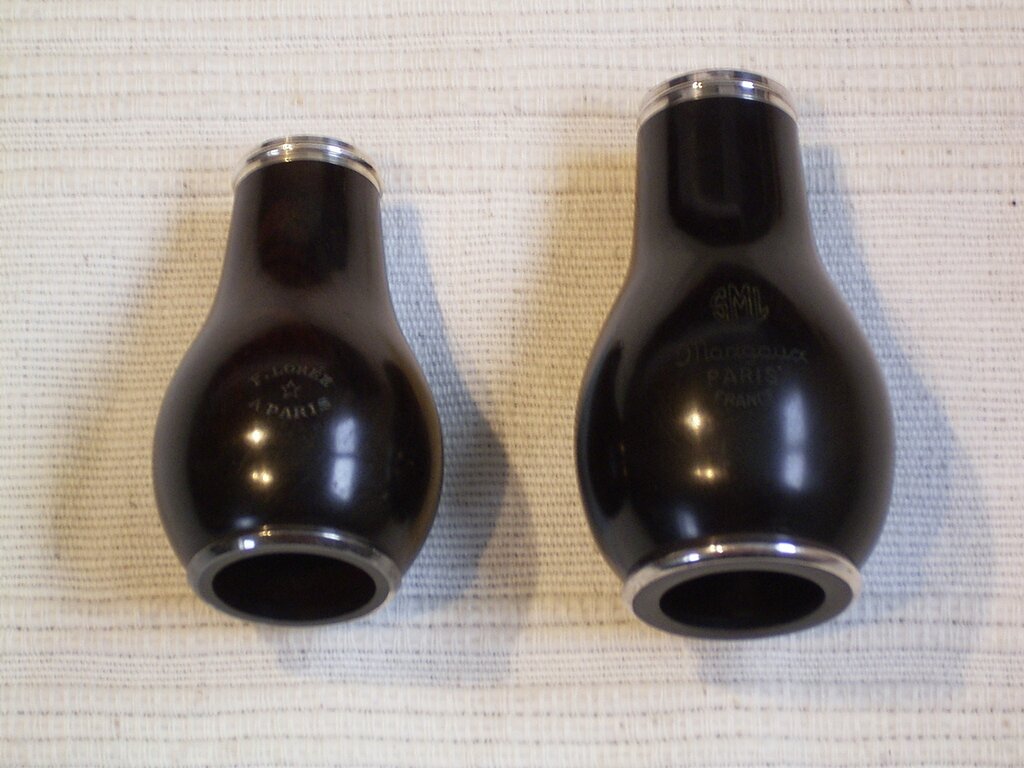
The success of the oboe inspired the creation of related instruments. The Baroque era gave us the oboe d'amore ("oboe of love"), which is slightly larger and has a gentler, more tranquil tone. It features a distinct, pear-shaped bell that contributes to its warm sound.
Another relative is the cor anglais, or English horn. Pitched lower than the oboe, it has a rich, melancholy sound and also uses a pear-shaped bell. Despite its name, the English horn is neither English nor a horn; its name is likely a corruption of the French cor anglé, or "angled horn," referring to some of its curved ancestors.
Let's review what you've learned about the oboe's journey through time.
What loud, trumpet-toned instrument, popular for outdoor events, is considered the direct ancestor of the oboe?
The name 'hautbois', the French term for the early oboe, translates to 'high wood' or 'loud wood'.
From its rustic beginnings as the shawm to its role as a refined orchestral soloist, the oboe has a rich and varied history. Each stage of its development reflects the changing tastes and technical demands of music itself.