The Oboe Profession
Introduction to the Oboe
The Voice of the Orchestra
Before an orchestra plays a single note, one sound rises above the murmurs of the crowd: a clear, piercing A. That note comes from the oboe, the instrument entrusted with tuning the entire ensemble. The oboe is a member of the woodwind family, but it's special. It's a double-reed instrument, which gives it a powerful and distinctive voice that has captivated listeners for centuries.
The oboe is a woodwind instrument in the double-reed family, known for its clear, penetrating sound and its role in both classical and contemporary music.
From Shawm to Symphony
The oboe didn't appear out of thin air. Its ancestor is the shawm, a loud, conical instrument popular during the Renaissance. The shawm had a raw, trumpet-like sound perfect for outdoor festivals and processions, but it lacked subtlety. In the mid-17th century, French court musicians began refining the shawm. They narrowed its bore, reduced the size of the reed, and split the instrument into three sections, making it more agile and giving it a sweeter, more controlled tone. This new instrument was the Baroque oboe, or hautbois (French for “high wood”).
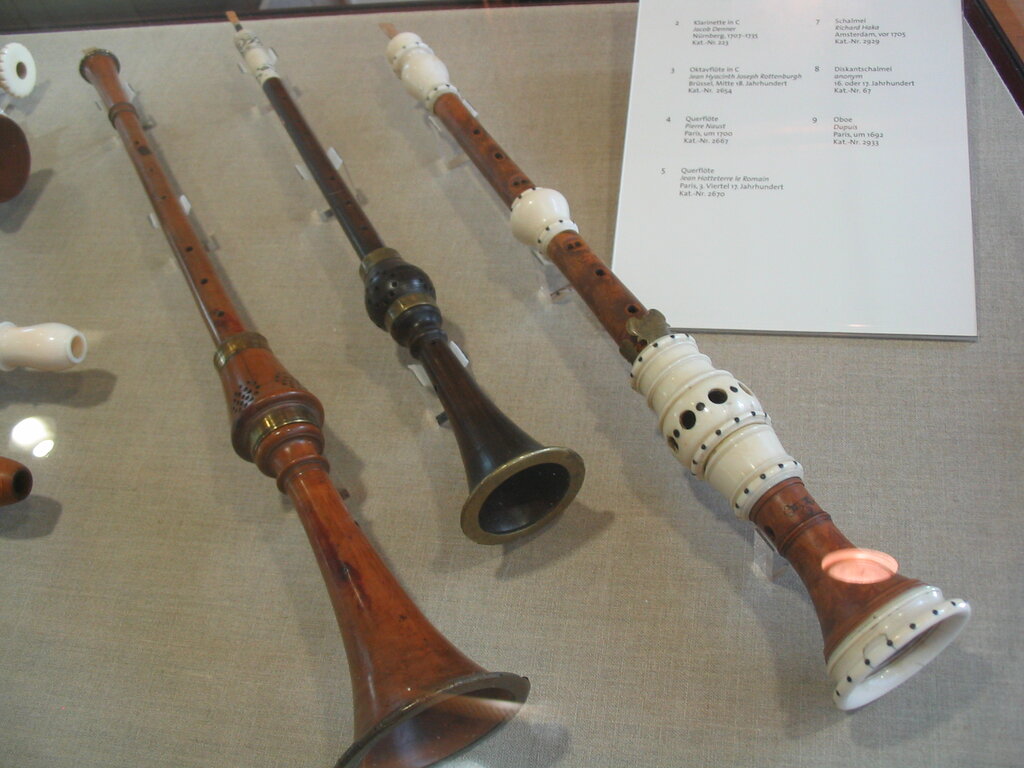
As music evolved through the Classical and Romantic periods, the oboe continued to change. Instrument makers added more keys, allowing for greater range and more complex passages. The simple, two- or three-keyed Baroque oboe gradually transformed into the intricate, silver-keyed instrument we see in orchestras today.
How an Oboe Is Made
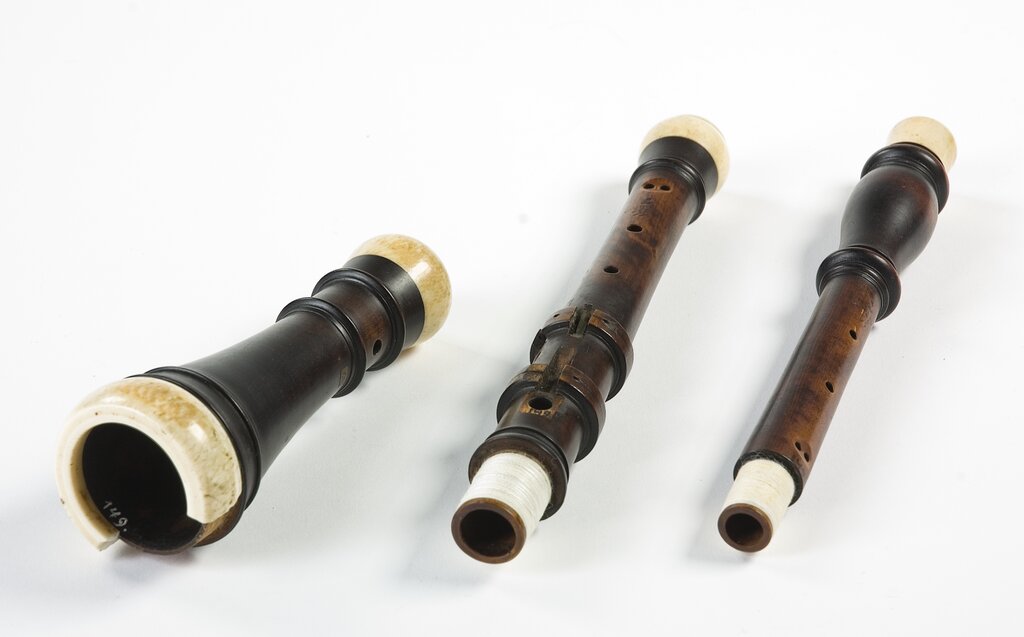
A modern oboe is a marvel of craftsmanship. Most are made from Grenadilla, a dense, dark wood from Africa, which gives the instrument its rich tone. The body is built in three parts: the upper joint, the lower joint, and the bell at the bottom, which flares out to project the sound. A complex web of metal keys, levers, and pads covers the wooden body. When a player presses a key, it closes a hole, changing the length of the air column inside and thus altering the pitch.
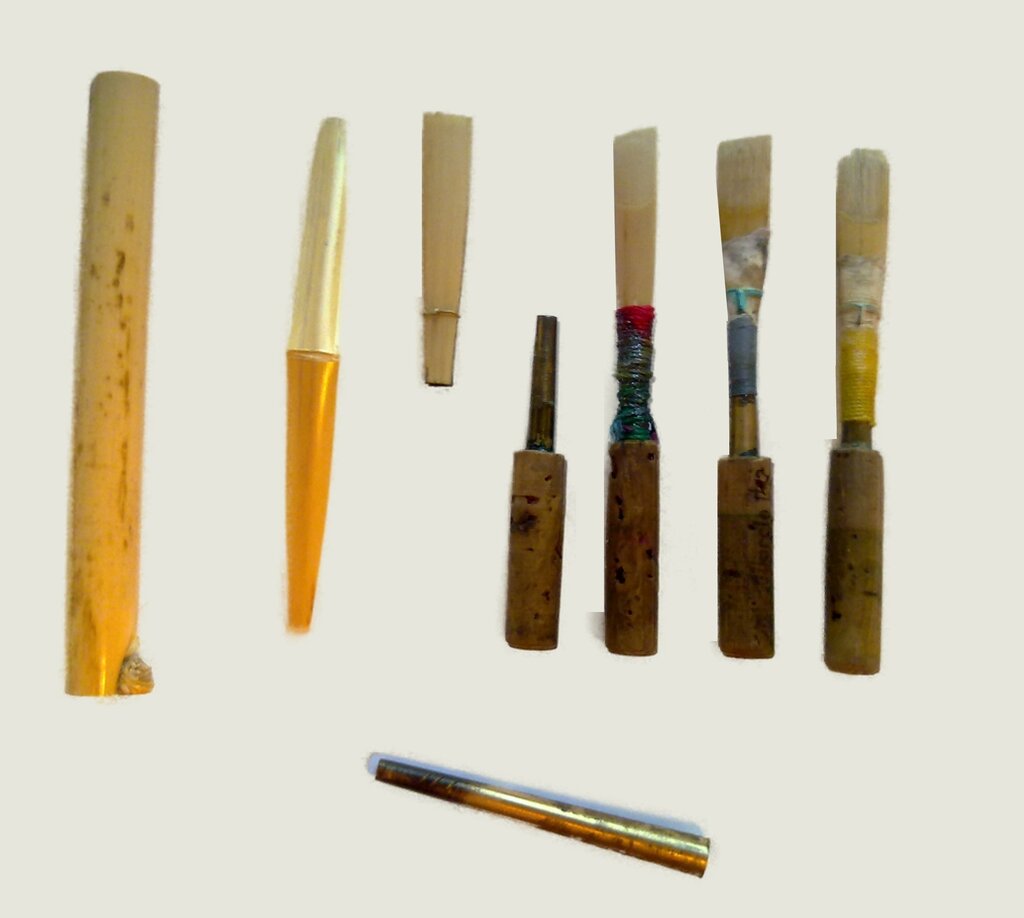
But the heart of the oboe's sound comes from a small, delicate component: the double reed. This is made from two thin pieces of cane, precisely scraped and tied together. The player places the reed between their lips and blows, causing the two pieces of cane to vibrate rapidly against each other. This vibration creates the sound wave that resonates through the oboe's body.
Making and maintaining reeds is a crucial skill for any oboist. Many players spend hours carefully scraping and adjusting their reeds to achieve the perfect sound.
The way a player forms their mouth around the reed is called the embouchure. A correct embouchure is essential for controlling the pitch, tone, and dynamics of the instrument.
Embouchure
noun
The way in which a player applies their mouth to the mouthpiece of a brass or wind instrument.
The Orchestra's Pitch Pipe
So, why does the oboe tune the orchestra? Its sound is focused and penetrating, allowing it to be heard clearly by all the other musicians. Unlike string instruments, whose pitch can be easily adjusted, the oboe's pitch is relatively stable, making it a reliable reference point. When you hear that single, sustained 'A' before a concert, you're hearing a tradition that connects back to the instrument's central role in music.
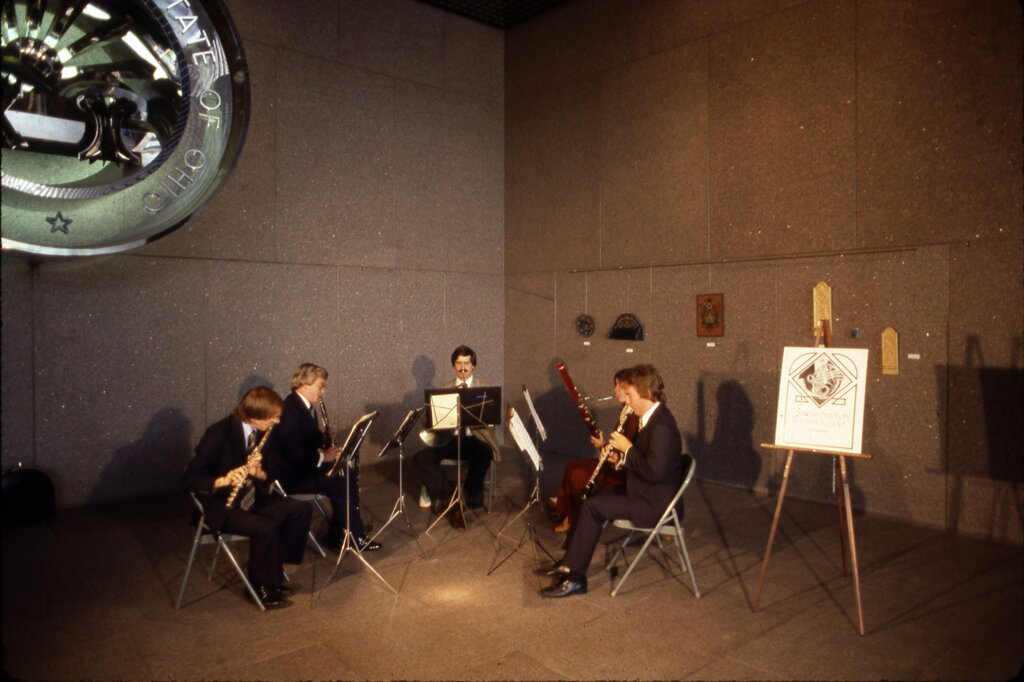
In both orchestras and smaller chamber groups, like woodwind quintets, the oboe often carries the melody. Composers love its expressive, voice-like quality, using it for poignant solos and lyrical passages. Its unique timbre allows it to soar above the other instruments or blend seamlessly into the texture of the ensemble.
Let's review what you've learned about this fascinating instrument.
What is the historical ancestor of the modern oboe?
Which part of the oboe is primarily responsible for creating the initial sound vibration?
From its rustic beginnings as the shawm to its place of honor in the modern orchestra, the oboe has a rich history and a sound that is truly one of a kind.