The Oboe Explored
Introduction to the Oboe
The Oboe's Voice
The oboe belongs to the woodwind family of instruments. What makes it special is how it creates sound: through a double reed. This isn't like a clarinet or saxophone with their single reeds. Instead, an oboist blows air through two thin pieces of cane that are tied together. These reeds vibrate against each other at high speed, producing the oboe's characteristic tone.
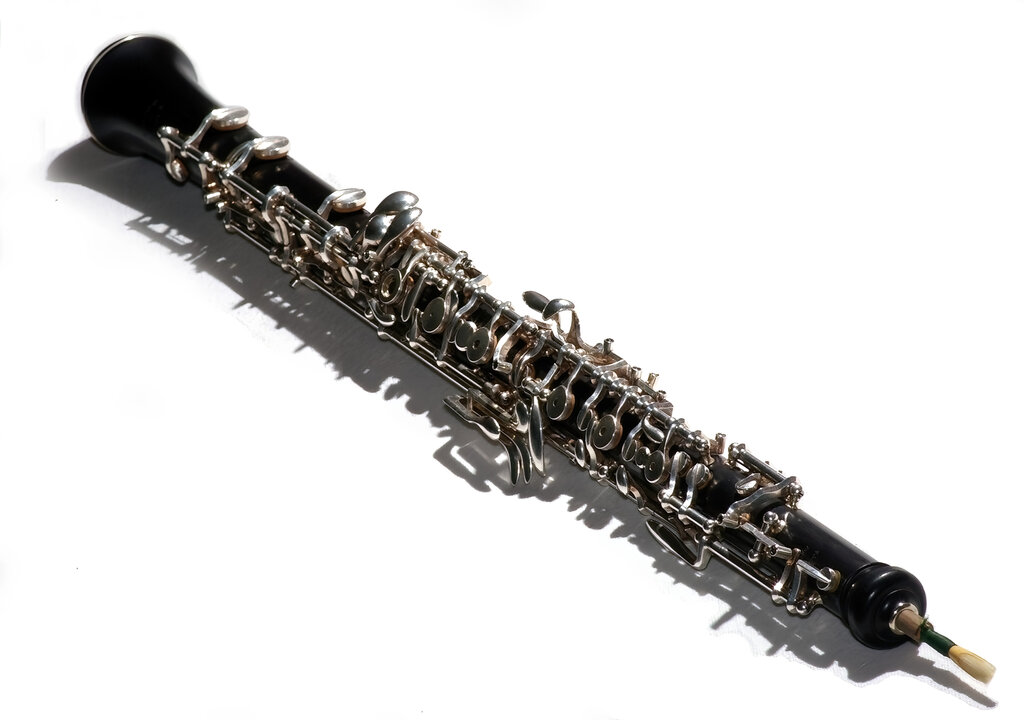
This double-reed setup is the heart of the instrument's sound. It requires a great deal of control from the player, but it's also what gives the oboe its uniquely expressive and penetrating voice.
A Sound Like No Other
The oboe's sound, or timbre, is often described as reedy, clear, and focused. It has a slightly nasal quality that allows it to cut through the sound of a full orchestra. This is why, before a concert begins, you'll often hear a single, clear note played for all the other instruments to tune to. That note comes from the oboe.
Timbre
noun
The character or quality of a musical sound or voice as distinct from its pitch and intensity.
Its pitch is very stable and less affected by temperature changes than string instruments. This reliability makes it the perfect reference point for the entire orchestra to get in tune.
Because of its clear and steady pitch, the oboe serves as the tuning standard for the entire orchestra.
The Oboe's Role
The oboe is a versatile instrument found in many types of musical groups. In a symphony orchestra, it often plays beautiful, lyrical solos that soar over the other instruments. Composers love its expressive quality for moments of tenderness or melancholy.
In smaller groups, like a woodwind quintet, the oboe is an equal partner with the flute, clarinet, bassoon, and French horn. Here, it contributes its unique color to the combined sound, blending with the other instruments while still maintaining its distinct identity.
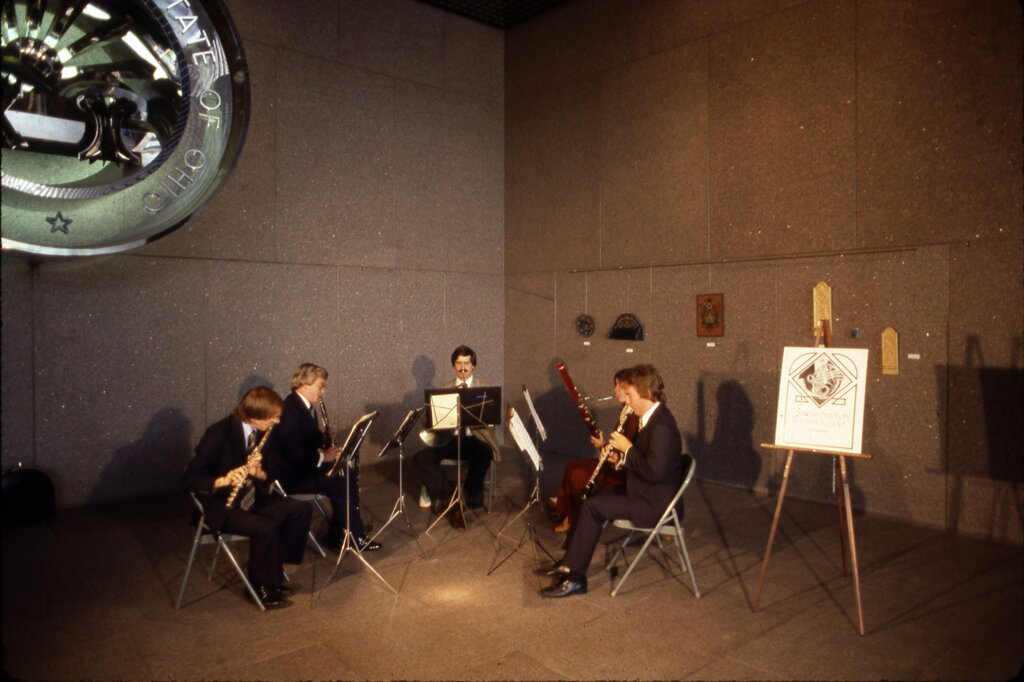
You'll also find the oboe in concert bands, chamber orchestras, and even film scores, where its evocative sound helps to create atmosphere and emotion. Its range and expressiveness make it a favorite for conveying a wide array of musical ideas.
Now, let's test your knowledge on the basics of the oboe.
What is the primary mechanism used by an oboe to produce sound?
Why is the oboe often chosen to provide the tuning note for an orchestra?
With its unique double reed and clear, penetrating sound, the oboe holds a special place in the world of music.