The Oboe Explored
Oboe Origins
Ancient Roots
The story of the oboe begins long before the instrument as we know it existed. Its fundamental principle, using two vibrating reeds to create sound, is ancient. Civilizations across the globe have used double-reed instruments for thousands of years. The Greeks had the aulos, and the Romans had the tibia. These weren't oboes, but they were early ancestors that shared the same basic sound-producing concept.
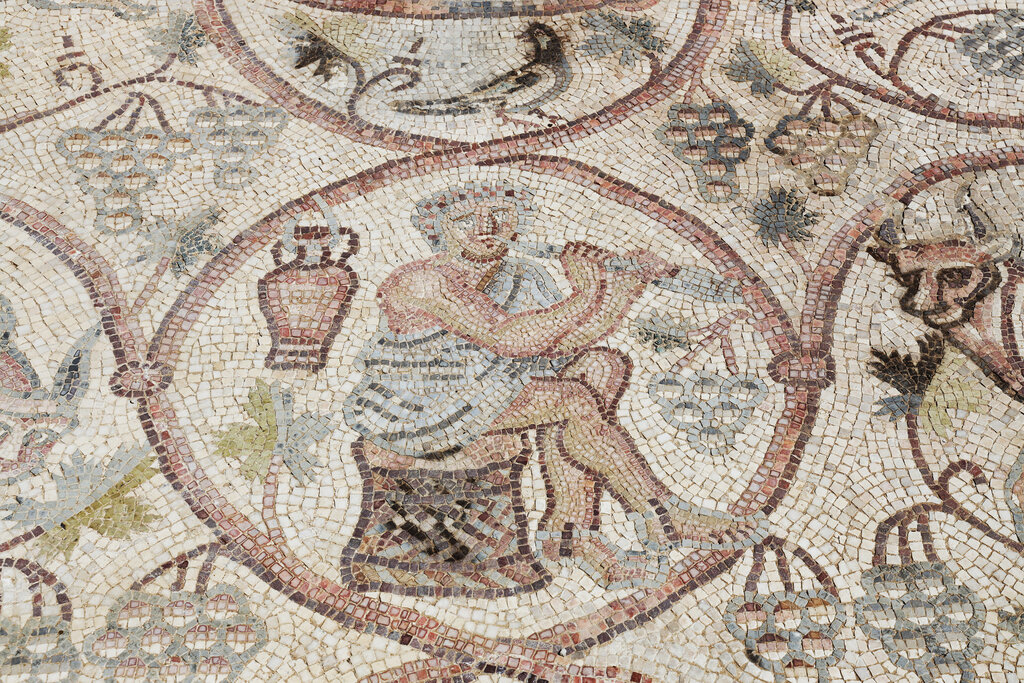
These early instruments were common in ceremonies, festivals, and military life. Their sound was often loud and piercing, designed to be heard outdoors. Over centuries, these instruments spread and evolved, eventually leading to the direct predecessor of the oboe in medieval Europe.
The Booming Shawm
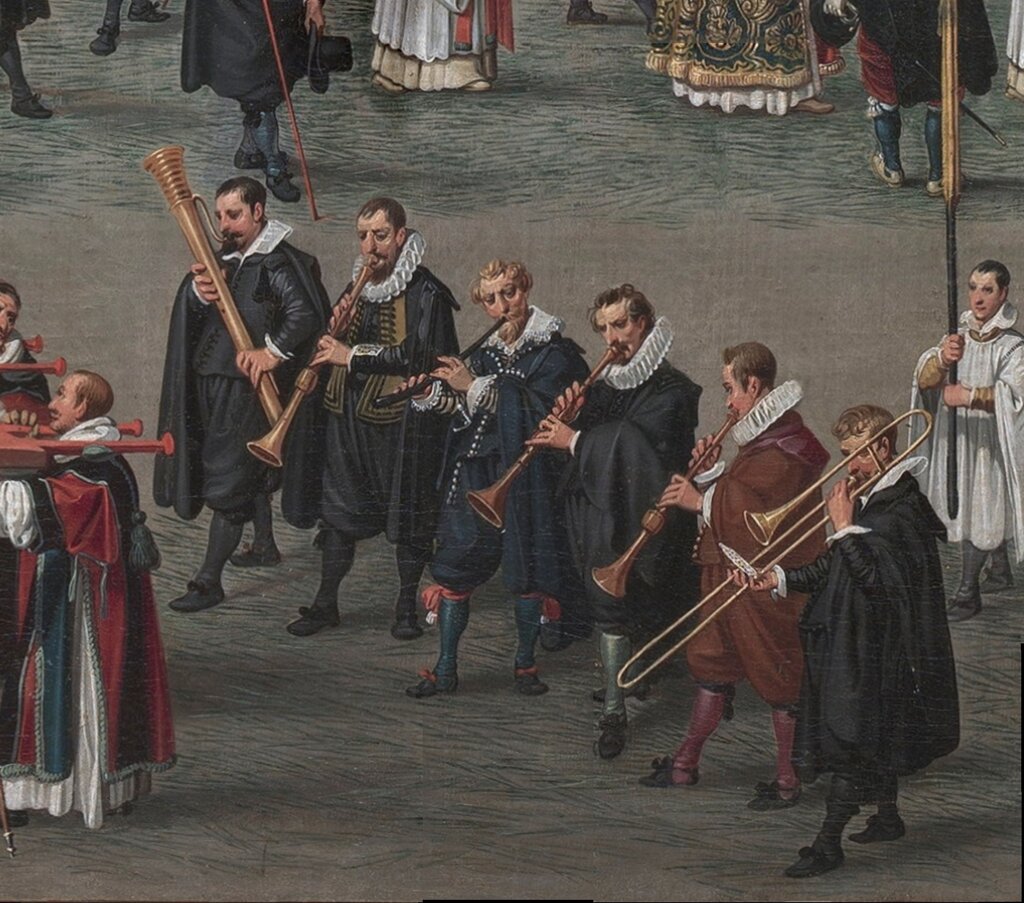
Meet the shawm, the oboe's loud and energetic ancestor. Popular from the medieval period through the Renaissance, the shawm was the go-to outdoor woodwind. It had a conical bore, which means the inside of the instrument gradually widens from top to bottom, and a flared bell. This design, combined with a large, unrestrained double reed, gave it a powerful, trumpet-like sound.
shawm
noun
A medieval and Renaissance double-reed woodwind instrument, the predecessor of the oboe, known for its loud and piercing tone.
Shawms were typically carved from a single piece of wood and had finger holes but few, if any, keys. This simple construction made them robust but limited their range and chromatic ability. You wouldn't find a shawm in a quiet chamber setting; its place was with processions and open-air celebrations, where its voice could cut through the noise.
A Refined Voice Emerges
By the mid-17th century, musical tastes were changing. The lavish court of King Louis XIV in France desired more refined and expressive instruments for indoor performances. The shawm was simply too brash. Instrument makers, likely Jean Hotteterre and Michel Danican Philidor, began to modify its design.
They created a new instrument called the hautbois, French for "high wood" or "loud wood." This early oboe was narrower, made in three sections for finer tuning, and featured more keys. These changes gave the player more control over dynamics and pitch.
The new hautbois could whisper as well as it could sing, a stark contrast to the shawm's constant shout. This versatility was revolutionary.
The reed was also refined. It became smaller and narrower, allowing for a much sweeter, more controlled tone. The instrument was no longer just loud; it was expressive. This new hautbois quickly gained popularity and spread from the French court across Europe.
A Star in the Baroque Ensemble
The new and improved oboe arrived just in time for the Baroque era. Composers like Jean-Baptiste Lully, a favorite of Louis XIV, were quick to include it in their orchestras. Its clear, penetrating tone was perfect for carrying melodies over the string section.
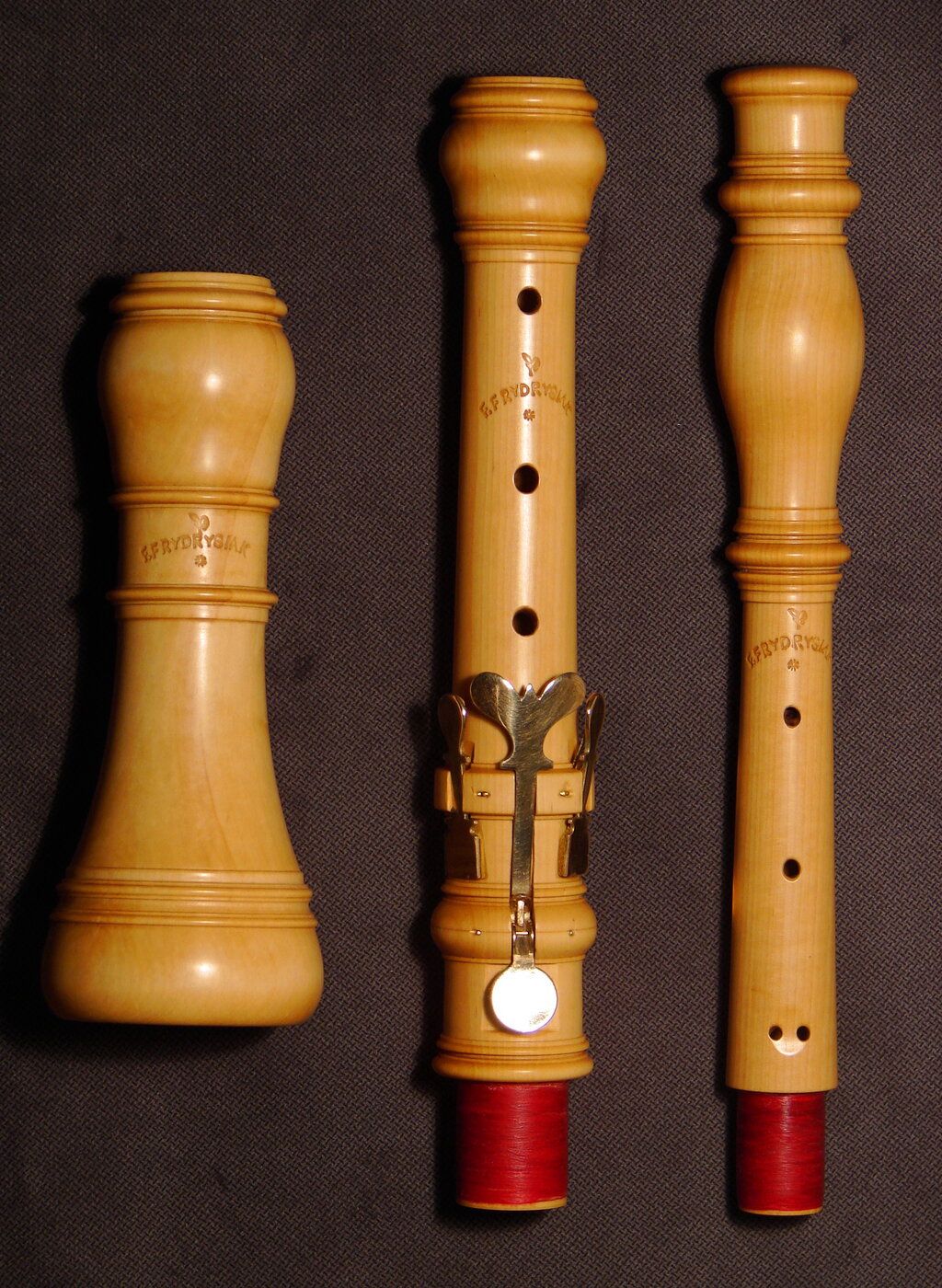
The oboe became a standard member of the Baroque orchestra, often playing in pairs. It wasn't just an ensemble instrument, either. Its vocal quality made it a favorite for solo parts that were lyrical and expressive. Composers like Bach, Vivaldi, and Handel wrote extensively for the oboe, cementing its place as one of the most important voices in the woodwind family.
The oboe's loud, energetic ancestor from the medieval period, primarily used for outdoor ceremonies, was known as the:
The development of the oboe (hautbois) from the shawm was driven by a demand for more refined instruments in what setting?
From a boisterous outdoor instrument to a refined star of the orchestra, the oboe's early journey was one of remarkable transformation.