The Oboe Explored
Oboe Basics
Meet the Oboe
The oboe is a member of the woodwind family. It's known for its clear, singing tone that can cut through an entire orchestra. But what gives it that distinctive sound? It all starts with its construction, particularly its double reed.
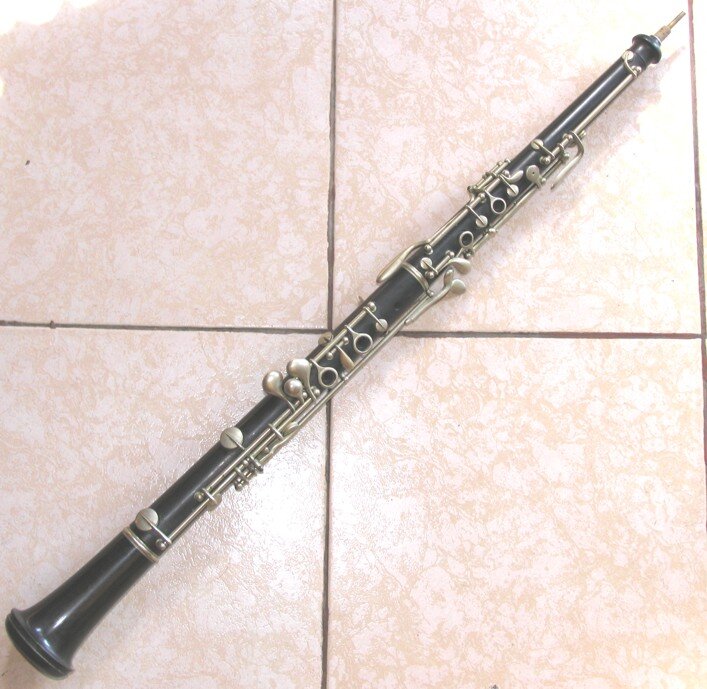
The oboe is a woodwind instrument with a conical bore (a cone-like tube), metal keys, a flared bell and a double reed, which vibrates when the player blows through it.
Like many instruments, oboes come in different materials depending on the player's level. Professional oboes are typically crafted from dense, dark grenadilla wood, also known as African blackwood. This wood contributes to the instrument's rich, complex tone. For beginners and students, oboes are often made from more durable and affordable plastic or resin composites. These materials are less sensitive to changes in temperature and humidity, making them great for learning.
An Instrument in Three Parts
A modern oboe isn't a single piece. It's assembled from three main sections, which fit together snugly to form a long, conical tube. This design makes it easier to transport and clean.
The sections are:
- Top Joint: The uppermost section, where the reed is inserted.
- Lower Joint: The middle section, which connects the top joint to the bell.
- Bell: The flared end of the oboe, which helps project the sound.
These pieces are connected by tenon and cork fittings, creating airtight seals that allow the air column inside to vibrate properly. The body is covered in a complex system of keys that the player uses to change the pitch.
The Heart of the Sound
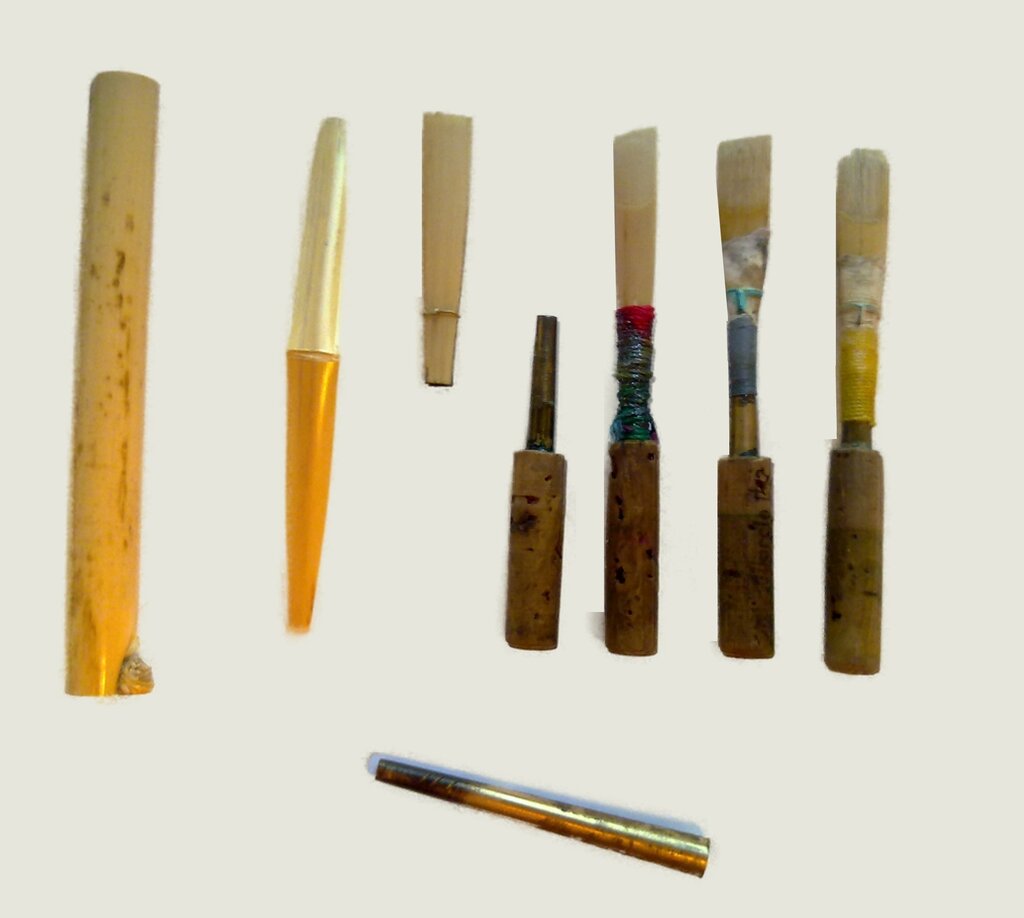
The sound of an oboe begins with the double reed. Unlike a clarinet, which uses a single reed, the oboe's reed is made of two finely shaved pieces of cane tied together. When a player blows through the tiny opening between these two pieces, they vibrate rapidly against each other. This vibration creates the sound wave that travels down the instrument.
Making a consistent, beautiful sound on the oboe requires careful control over the mouth muscles and the breath. This is where embouchure comes in.
Embouchure
noun
The way in which a player applies their mouth to the mouthpiece of a brass or wind instrument.
A correct oboe embouchure involves rolling the lips slightly over the teeth to create a cushion for the reed. This allows the player to control the reed's vibrations without pinching them off.
Combined with a steady, supported stream of air from the diaphragm, the embouchure shapes the oboe's tone. Mastering this coordination is one of the first and most important steps for any aspiring oboist. It's what allows for the instrument's famously expressive and vocal-like quality.
The oboe is considered one of the most difficult woodwind instruments to learn, owing to the enormous amount of breath support and sound control required.
Now, let's test your knowledge on the basics of the oboe.
What material is most commonly used for professional-level oboes?
The oboe uses a single reed made of cane, similar to a clarinet.
Understanding these core components—the body, the reed, and the player's own breath and control—is the foundation for exploring this unique and rewarding instrument.