The Oboe Explained
Oboe History
From Shawm to Hautbois
The story of the oboe begins long before the instrument had its modern name or form. Its ancestor, the shawm, was a loud and piercing instrument popular across Asia and Europe from the medieval period through the Renaissance. The shawm had a conical bore, meaning it was narrower at the top and flared out to a bell at the bottom, and it used a double reed to produce its powerful sound. It was primarily an outdoor instrument, perfect for fanfares, processions, and military bands.
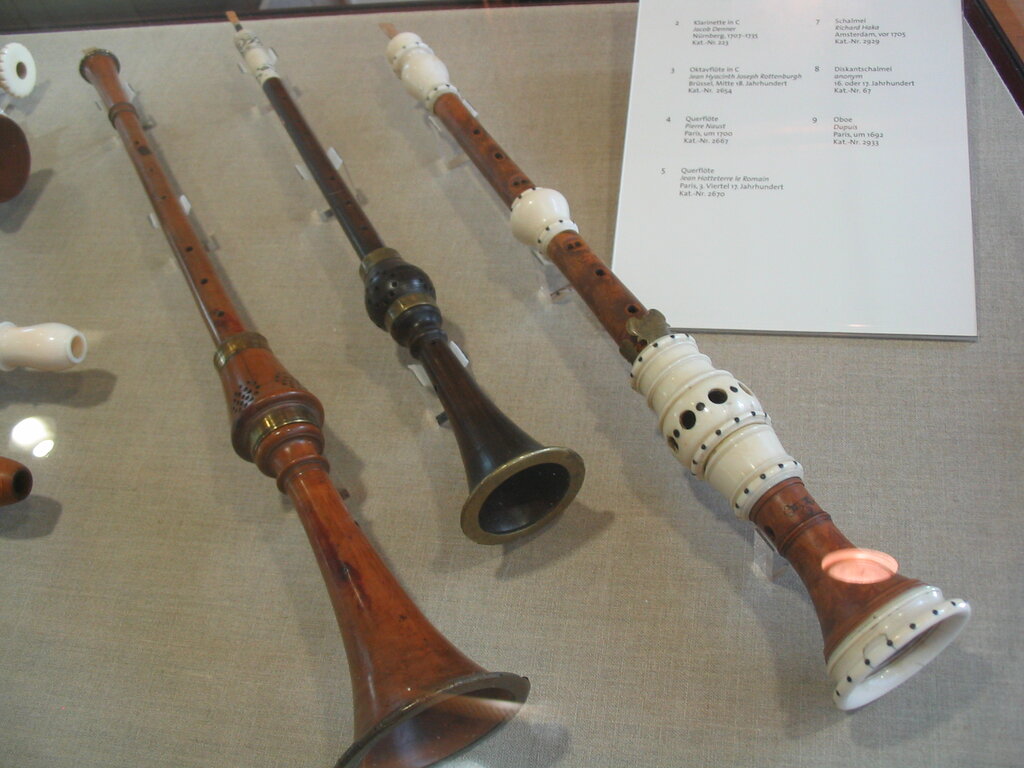
But as music moved indoors and became more refined, musicians and instrument makers sought a sweeter, more controlled tone. In the mid-17th century, French court musicians, likely Jean Hotteterre and Michel Danican Philidor, began modifying the shawm. They created a new instrument with a narrower bore, smaller finger holes, and a more delicate reed. They also divided the instrument into three jointed sections, which allowed for more precise manufacturing and tuning.
This new instrument was called the hautbois, a name that combined the French words for "high" and "wood."
high-wood
The hautbois, or Baroque oboe, was born. It had a much warmer and more expressive sound than the shawm, making it suitable for the nuanced music of the orchestra and chamber ensembles.
The Oboe Finds Its Voice
During the Baroque period (roughly 1600-1750), the oboe quickly became a star. Composers like Johann Sebastian Bach and George Frideric Handel loved its vocal quality and wrote extensively for it. The Baroque oboe was typically made of boxwood and had only two or three keys. Playing in different keys required complex cross-fingerings, a testament to the skill of the performers.
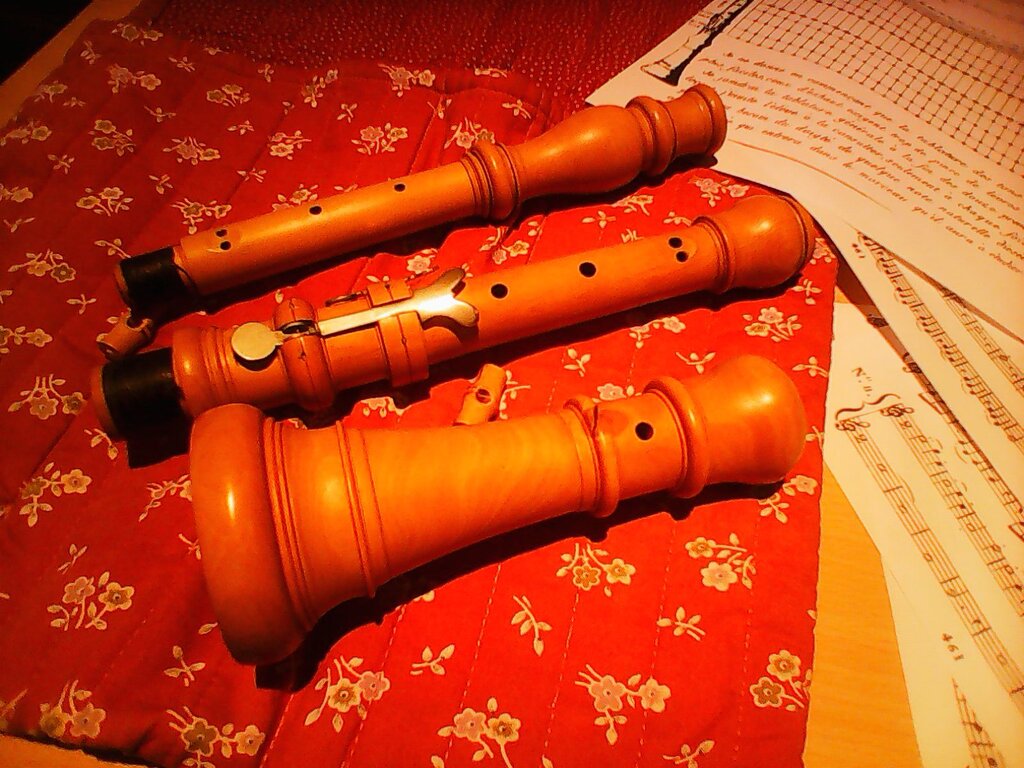
As music entered the Classical period (c. 1750–1820), the orchestra grew, and composers like Wolfgang Amadeus Mozart and Joseph Haydn demanded more from their wind instruments. The oboe needed to play with greater dynamic range and in more distant keys. Instrument makers responded by adding more keys, which simplified fingerings and improved intonation. The bore of the instrument also became progressively narrower, further refining its tone.
The oboe’s journey through musical history has been marked by significant developments in composition, technique, and instrument design.
A Mechanical Revolution
The 19th century brought the most dramatic changes. The Romantic era (c. 1820–1900) was defined by huge orchestras, virtuosic soloists, and emotionally charged music. The simple woodwind instruments of the past couldn't keep up.
German instrument makers, particularly those in the Triebert family in Paris, led the way. They experimented with different materials and key systems, aiming for a more powerful, stable, and mechanically reliable instrument. The number of keys grew from just a handful to over a dozen. This evolution culminated in the "conservatoire" system, which is the basis for the modern oboe used today. This new design made the instrument louder, more agile, and more consistent in tone and pitch.
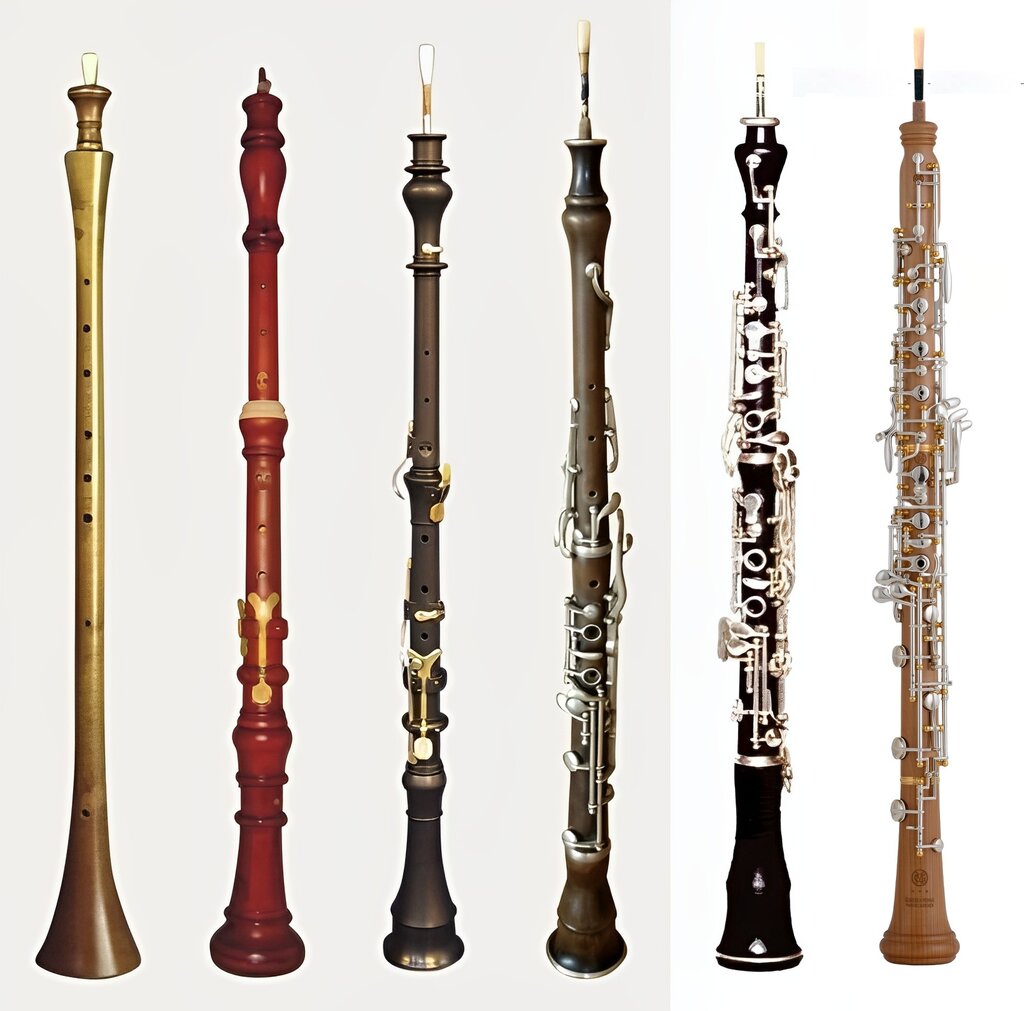
This mechanical sophistication allowed composers like Richard Strauss and Pyotr Ilyich Tchaikovsky to write demanding solo passages that would have been impossible on earlier versions of the instrument. The oboe had secured its place as one of the most expressive and essential voices in the orchestra.
Ready to test your knowledge of the oboe's long history?
What was the name of the loud, piercing, double-reed instrument considered the ancestor of the modern oboe?
In the mid-17th century, French court musicians modified the shawm into the Baroque oboe primarily because they needed an instrument with a...
From its rustic beginnings as the shawm to its place as a sophisticated orchestral soloist, the oboe's evolution reflects the changing demands of Western music.