The Oboe Explained
Oboe Components
The Heart of the Sound
An oboe's sound doesn't begin in its long wooden body. It starts in a small, delicate, and incredibly important component: the double reed. This is the true sound generator of the instrument.
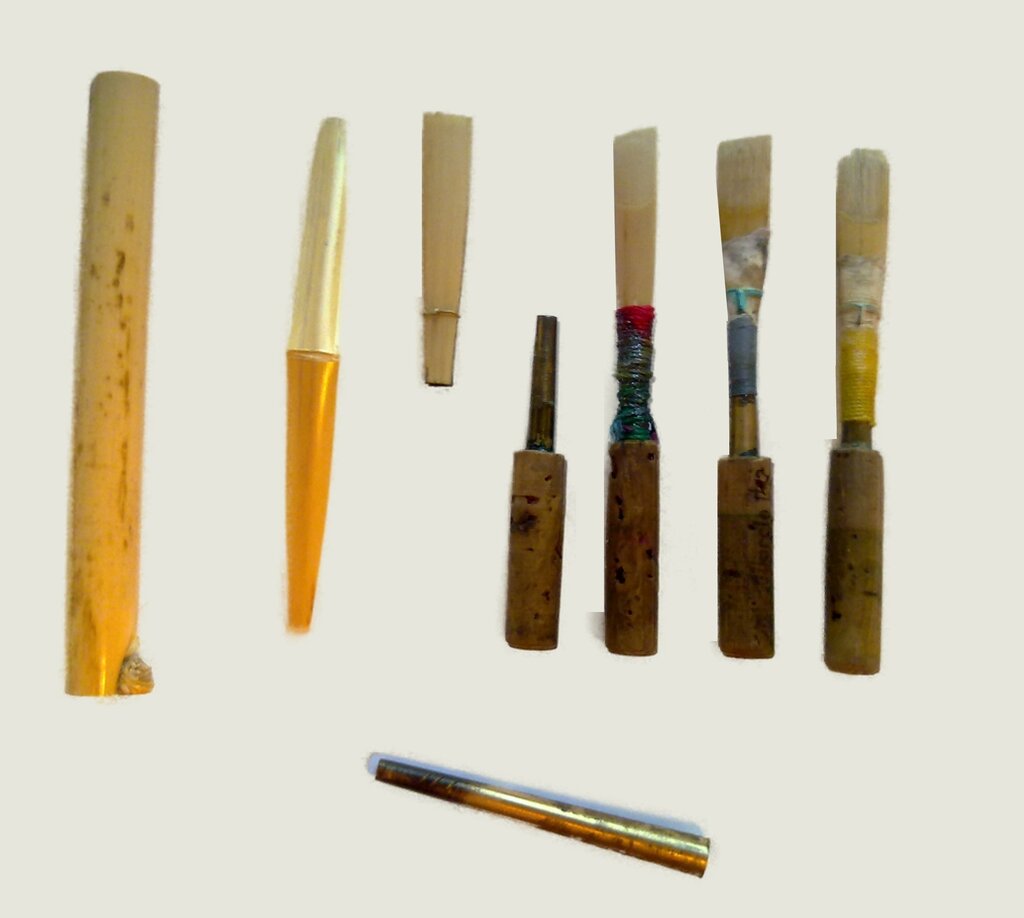
The double reed is made of two precisely shaped pieces of cane, bound tightly together onto a small metal tube called a staple. A tiny opening is left between the tips of the two pieces. When a player blows air through this gap, the two pieces of cane vibrate against each other thousands of times per second. This rapid vibration is what creates the initial sound wave.
When air is blown between the two reeds, they vibrate against each other, creating a complex set of harmonics that give the oboe its rich, warm tone.
The construction of the reed is an art in itself. Oboists often make their own reeds, carefully scraping and adjusting the cane to achieve a specific tone and response. The slightest change in the reed's thickness or shape can dramatically alter the instrument's sound.
From Vibration to Voice
Once the reed creates a vibration, the sound wave needs a space to grow and develop its character. This happens inside the body of the oboe, which acts as a resonator. The specific shape of this resonating chamber is what makes an oboe sound like an oboe and not, for example, a clarinet.
The oboe has a conical bore, meaning its internal tube gradually widens from the top (near the reed) to the bottom (the bell).
This conical shape is crucial. It selectively amplifies certain overtones, or harmonic frequencies, present in the initial vibration from the reed. This process enriches the sound, giving the oboe its famously bright, focused, and penetrating tone. A cylindrical instrument, like a clarinet, has a straight internal bore, which results in a warmer, mellower sound because it amplifies a different set of overtones.
Changing the Pitch
To play different notes, a musician must change the pitch of the sound. On an oboe, this is done by changing the effective length of the vibrating air column inside the conical bore. A shorter air column produces a higher pitch, while a longer one produces a lower pitch.
This is where the tone holes and keys come in. The oboe's body is pierced with a series of precisely placed holes. By covering or uncovering these holes, the player changes the point at which the air column effectively ends, thus altering its length.
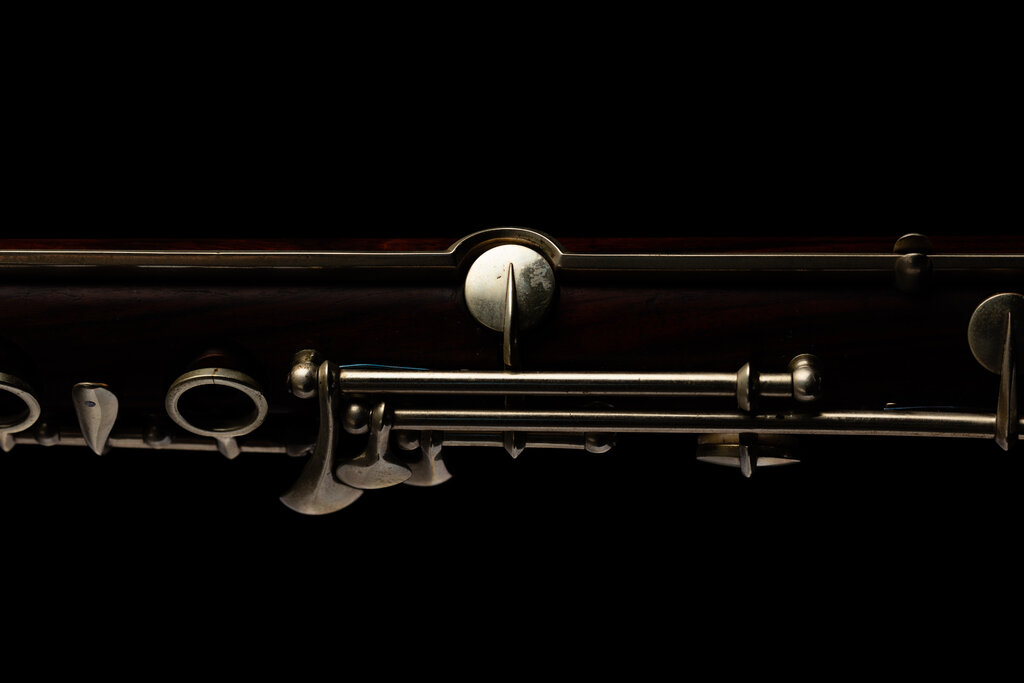
Because the holes are not all within easy reach of the player's fingers, the oboe has a complex and beautiful system of metal keys and levers. When a player presses a key, it operates a small, padded cover that seals a tone hole somewhere else on the instrument's body. The arrangement, size, and undercutting of these tone holes are all meticulously calculated to ensure the instrument plays in tune across its entire range.
Let's test your understanding of how these parts work together.
What is the primary component responsible for generating the initial sound in an oboe?
The main function of the oboe's conical body is to act as a:
Together, the delicate double reed, the resonant conical bore, and the precise system of tone holes combine to create the oboe's unique and expressive voice.