The Oboe Explained
Oboe Basics
Meet the Oboe
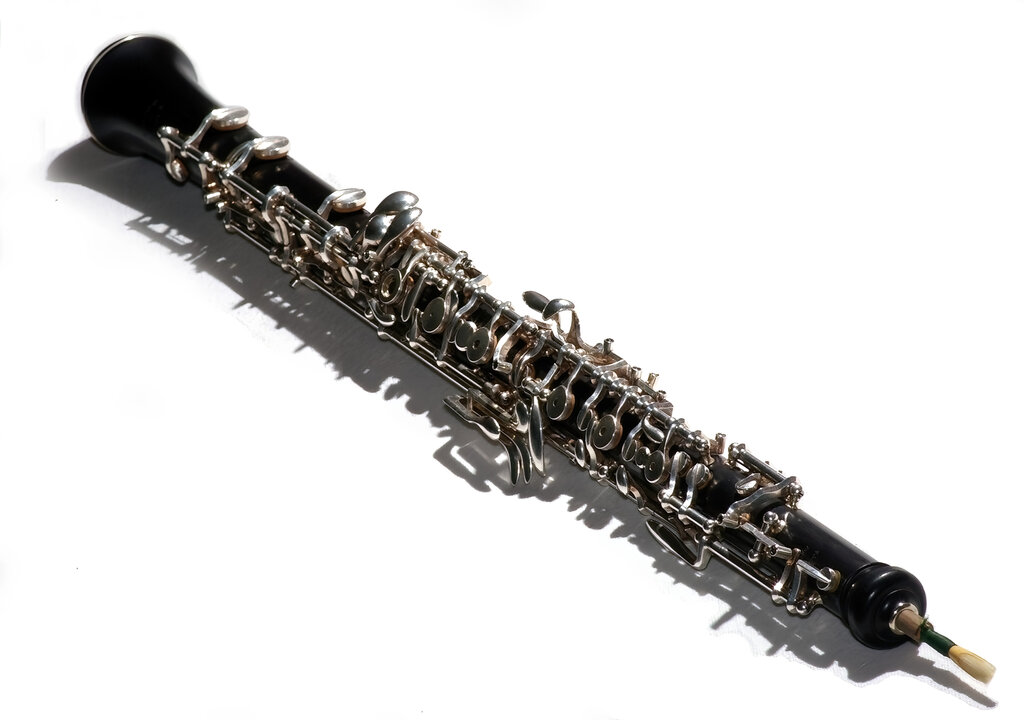
The oboe is a member of the woodwind family, but it has a special distinction: it's a double-reed instrument. This means its sound is produced by blowing air through two thin pieces of cane that are tied together. This double reed is what gives the oboe its famously clear, penetrating, and expressive voice.
The Shape of Sound
One of the most important features of the oboe's design is its conical bore. This means the inside tube of the instrument gradually widens from the reed at the top down to the bell at the bottom, like a long, narrow cone.
This is different from an instrument like the clarinet, which has a cylindrical bore that stays the same width for most of its length. The oboe's conical shape is a key reason for its unique sound. It helps produce a tone that is rich in overtones, giving it a complex and colorful quality that can easily cut through the sound of an entire orchestra.
This conical design doesn't just make the oboe loud; it gives the sound focus and a distinct character that composers have loved for centuries.
The Orchestra's Voice
The oboe's timbre, or sound quality, is often described as reedy, nasal, and singing. It can be hauntingly beautiful in a slow melody or bright and playful in a faster passage. Its standard range spans about two and a half octaves, from a B♭ below middle C up to a high G.
Because of its stable pitch and clear tone, the oboe has a very important job in the orchestra. Before a performance, the principal oboist plays an 'A' for the entire orchestra to tune their instruments to. This tradition makes the oboe the reference point for the ensemble's intonation.
The oboe is a woodwind instrument in the double-reed family, known for its clear, penetrating sound and its role in both classical and contemporary music.
But the oboe isn't limited to classical music. Its expressive voice has found a place in film scores, jazz ensembles, and even some pop and rock music. Composers use it to evoke feelings of nostalgia, tenderness, or pastoral beauty. Its versatility ensures that this centuries-old instrument continues to captivate listeners in all kinds of musical settings.
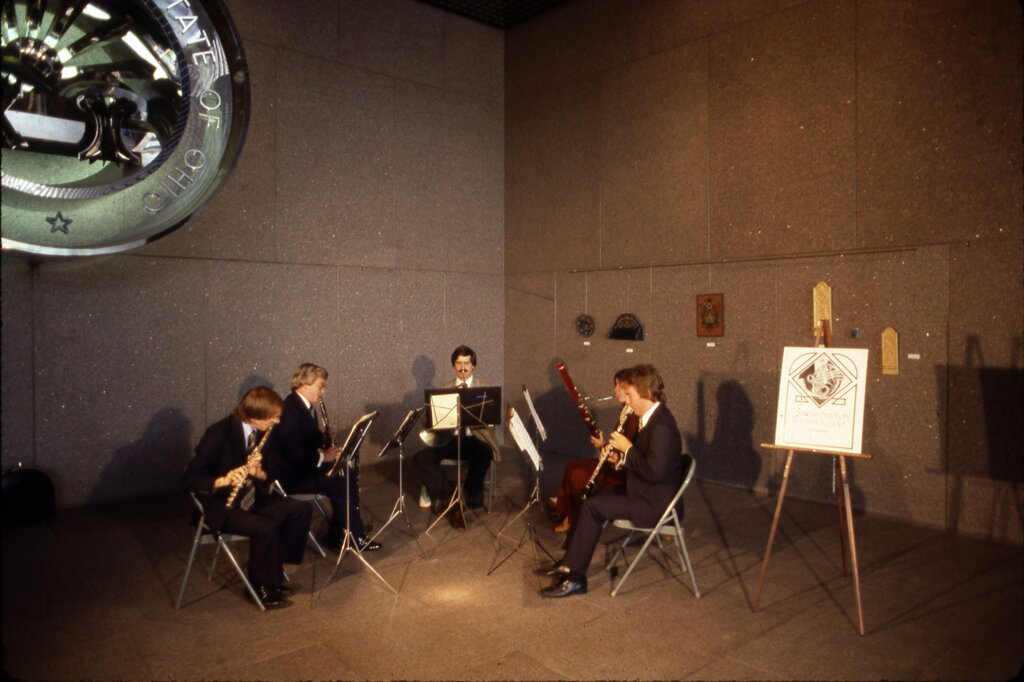
Let's review the key characteristics of the oboe.
Ready to test your knowledge?
What part of the oboe is directly responsible for producing its sound when the player blows air into it?
The oboe's bore gradually widens from the reed down to the bell. How does this 'conical bore' affect its sound compared to an instrument with a cylindrical bore?
From its conical bore to its role as the orchestra's tuning guide, the oboe is a truly unique and essential instrument.