The Oboe Explained
Oboe Origins
From Loud Pipes to Courtly Voices
Long before the oboe, there was the shawm. For centuries, this loud, double-reed instrument was the sound of outdoor ceremonies, festivals, and military processions across Europe and Asia. The shawm had a piercing, trumpet-like tone that could cut through any crowd. While powerful, it lacked the subtlety needed for indoor, more intimate music.
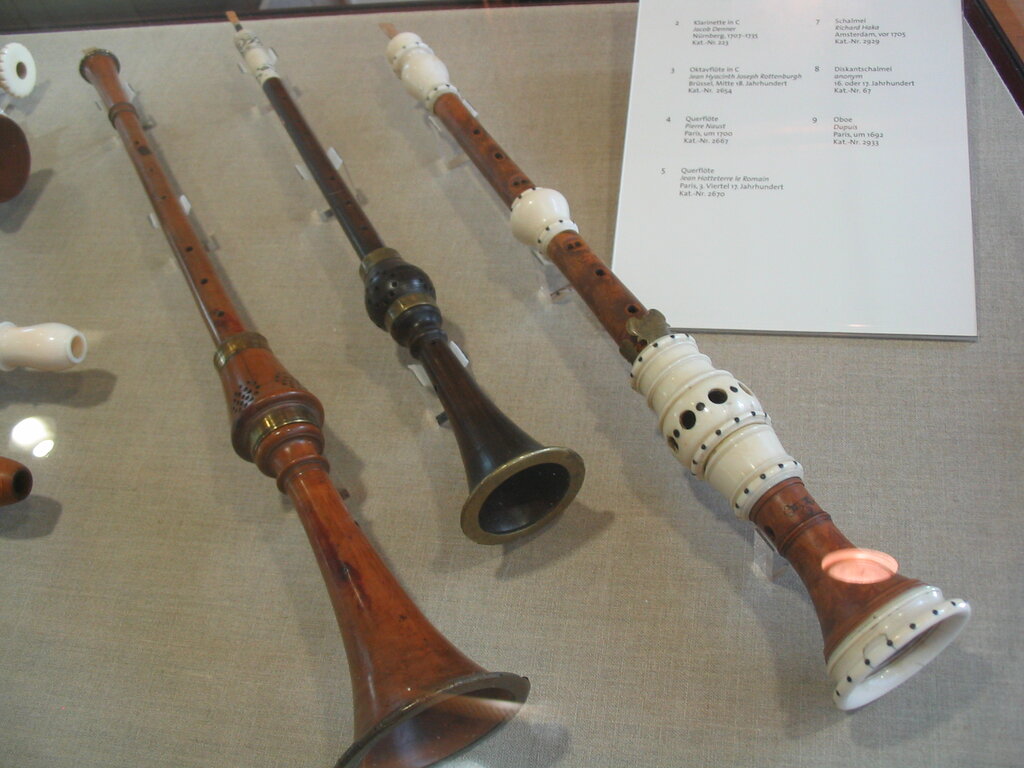
The shawm was built for volume, not nuance. It had a wide, conical bore and a broad reed, which produced its characteristic loud sound. It was an essential part of public life, but as music moved into the courts and concert halls, composers and patrons wanted an instrument with a wider expressive range.
A French Reinvention
The transformation from shawm to oboe happened in the mid-17th century at the court of King Louis XIV of France. The king's court was a center for artistic innovation, and musicians there were eager to refine their instruments. Two instrument makers, Jean Hotteterre and Michel Danican Philidor, are credited with leading this change.
The (Baroque) oboe was developed from the shawm in the 17th century by the instrument maker Jean de Hotteterre (commissioned by Jean-Baptiste Lully).
They took the basic design of the shawm and made crucial modifications. They narrowed the bore, reduced the size of the reed, and divided the instrument into three jointed sections, which improved its tuning. They also added keys, allowing for more precise fingering and access to a full chromatic scale. The result was a new instrument with a sweeter, more focused, and more expressive tone.
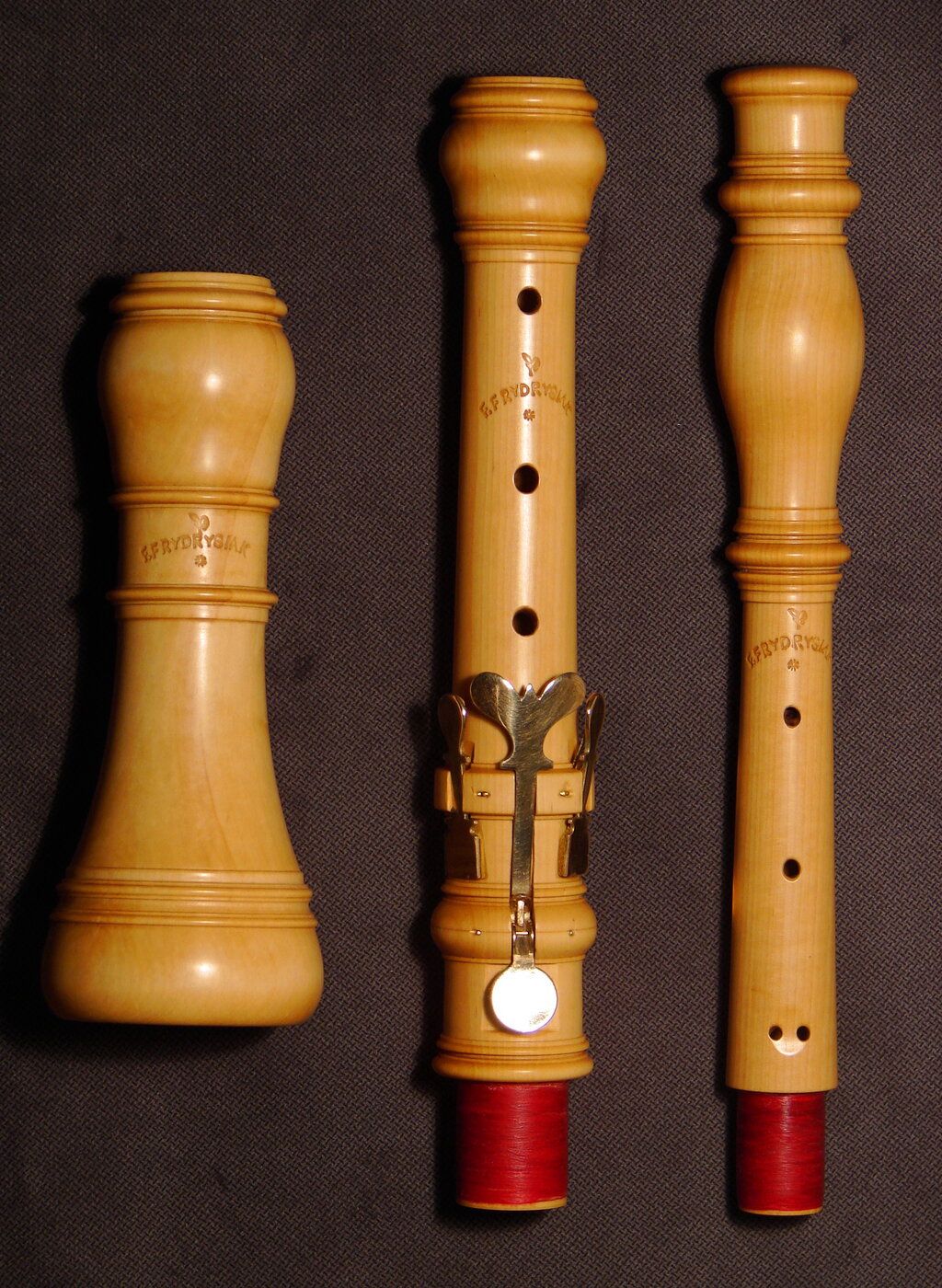
This new instrument was called the hautbois (pronounced oh-BWAH), French for "high wood" or "loud wood," a nod to its ancestor's powerful voice. Despite the name, its sound was far more refined and suitable for playing alongside strings and other quieter instruments.
Joining the Ensemble
The hautbois was an instant success. It quickly became a star player in French military bands, known as Les Grands Hautbois, which consisted of oboes and bassoons. Its clear, stable pitch also made it the ideal instrument for tuning the entire orchestra, a tradition that continues today. Composer Jean-Baptiste Lully, the music master at Louis XIV's court, was one of the first to feature the new instrument in his orchestral works, cementing its place in the ensemble.
By the end of the 17th century, the instrument, now known as the oboe, had spread across Europe. It became a standard member of the orchestra and a favorite solo instrument for composers like Bach, Handel, and Vivaldi. The loud outdoor pipe had been tamed, giving the world one of its most elegant and expressive musical voices.