The Oboe Explained
Oboe Sound Production
How an Oboe Makes Its Sound
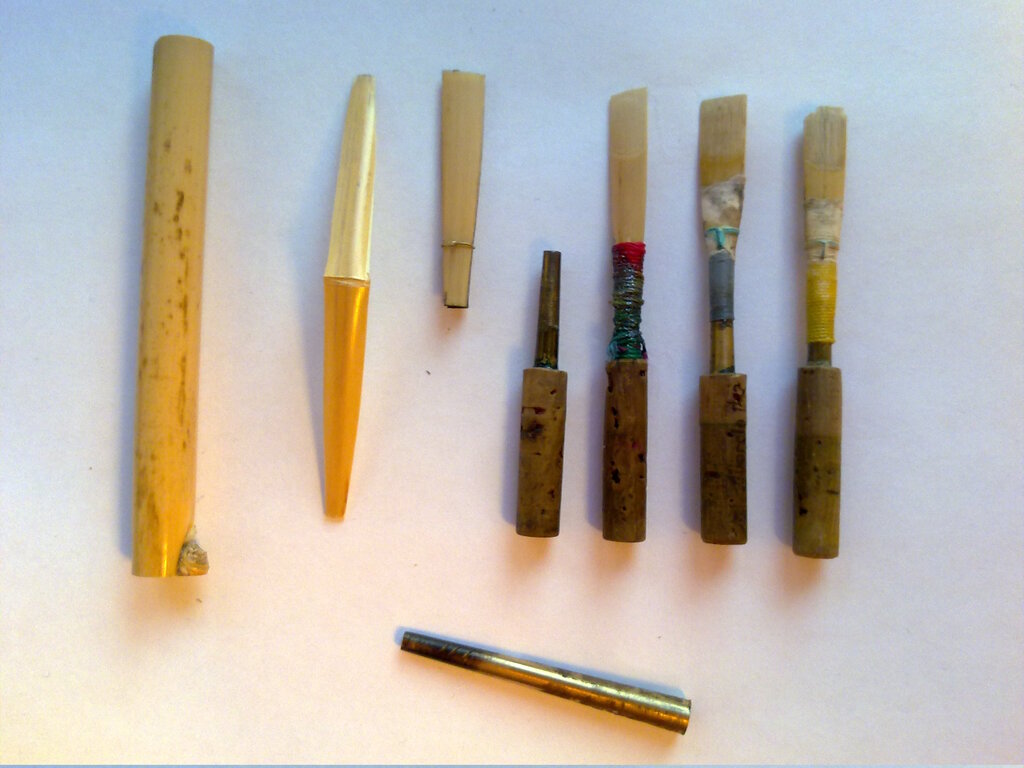
The oboe's unique, penetrating voice begins with a tiny, delicate component: the double reed. Unlike instruments that use a single reed, like the clarinet, or no reed at all, like the flute, the oboe's sound is born from two thin pieces of cane vibrating against each other at high speed.
The oboe is a double-reed instrument, which means it uses two pieces of cane that vibrate together to create sound.
These pieces of cane, which are meticulously crafted and tied together, are incredibly sensitive. When an oboist blows a steady stream of air through the small opening between them, the reeds oscillate rapidly. This buzzing vibration is the raw material of the oboe's sound.
From Vibration to Voice
That initial buzz from the reed is quiet and thin. It needs amplification and shaping to become the rich sound we recognize. This is the job of the oboe's body, which acts as a resonator.
The oboe has what's called a conical bore. This means the inside of the instrument gradually widens from a narrow opening near the reed to a much wider opening at the flared bell. This cone shape is crucial. As the sound waves from the vibrating reed travel down the instrument, the conical bore amplifies them and helps develop the complex overtones that give the oboe its distinct, colorful timbre.
Changing the Pitch
To play different notes, an oboist changes the effective length of the air column inside the instrument. This is done by opening and closing tone holes drilled into the oboe's body. The intricate system of keys and pads on the outside is just a complex way to cover and uncover these precisely placed holes.
When all the holes are closed, the air column is long, extending from the reed to the bell. This produces the lowest notes. When the oboist presses a key that lifts a pad and opens a tone hole, the air column is shortened because the sound waves can escape through the new opening. A shorter air column vibrates faster, producing a higher-pitched note. The exact size and placement of each tone hole is critical for the instrument to play in tune.
By combining the delicate vibration of the double reed, the amplifying power of the conical bore, and the precise manipulation of the air column's length, the oboist can produce the instrument's full range of expressive and melodic sounds.
Now, let's check your understanding of how the oboe works.
What is the primary source of sound production in an oboe?
The main function of the oboe's conical bore is to amplify the reed's vibrations and shape the instrument's timbre.
So, the oboe's iconic sound isn't magic. It's the result of a partnership between a vibrating double reed, a cone-shaped amplifier, and a series of holes that let the musician shape that sound into music.