The Oboe Explained
Oboe History
Ancient Origins
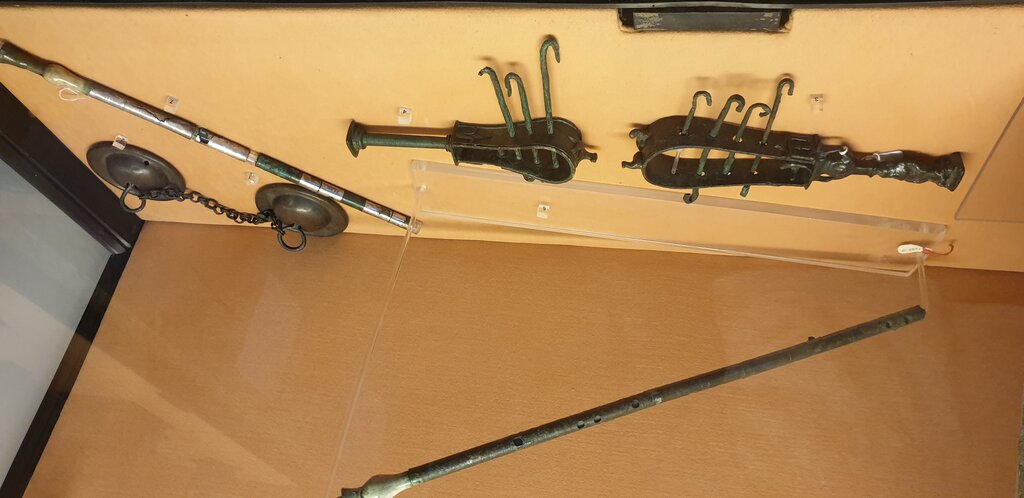
The oboe's family tree stretches back thousands of years. Its earliest ancestors were double-reed instruments used in ancient civilizations. In Greece, there was the aulos, and in Rome, the tibia. These weren't exactly oboes, but they shared the core principle: two pieces of cane vibrating against each other to produce sound. These instruments were vital parts of society, played during religious ceremonies, military events, and theatrical performances.
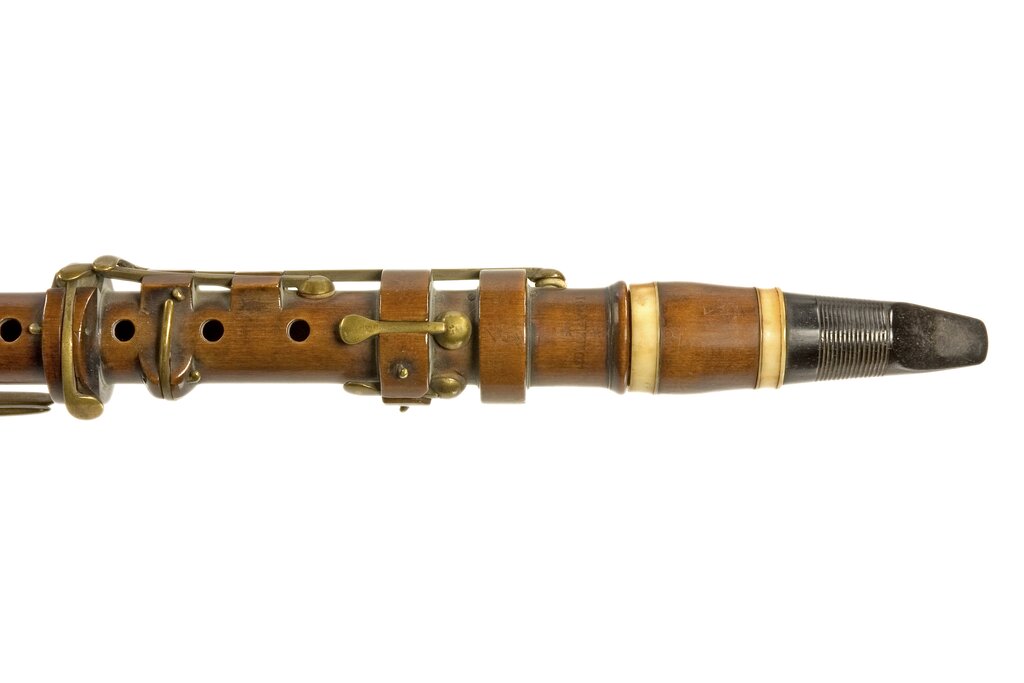
Jumping forward to Medieval Europe, we meet the shawm. This instrument was the direct forerunner of the oboe. Unlike its more refined descendant, the shawm was loud and piercing, with a wide conical bore. Its powerful sound made it perfect for outdoor music, processions, and accompanying dances. It was a popular and versatile instrument, but it lacked subtlety.
The Birth of the Hautbois
The major transformation happened in 17th-century France. Musicians and instrument makers at the court of Louis XIV began experimenting with the shawm, aiming for a more delicate and expressive tone suitable for indoor chamber music and the newly forming orchestra. The result was the hautbois, which translates to "high wood" or "loud wood."
One person credited with the development of the oboe was Jean Hotteterre who narrowed the bore of the instrument and reduced the width of the reed.
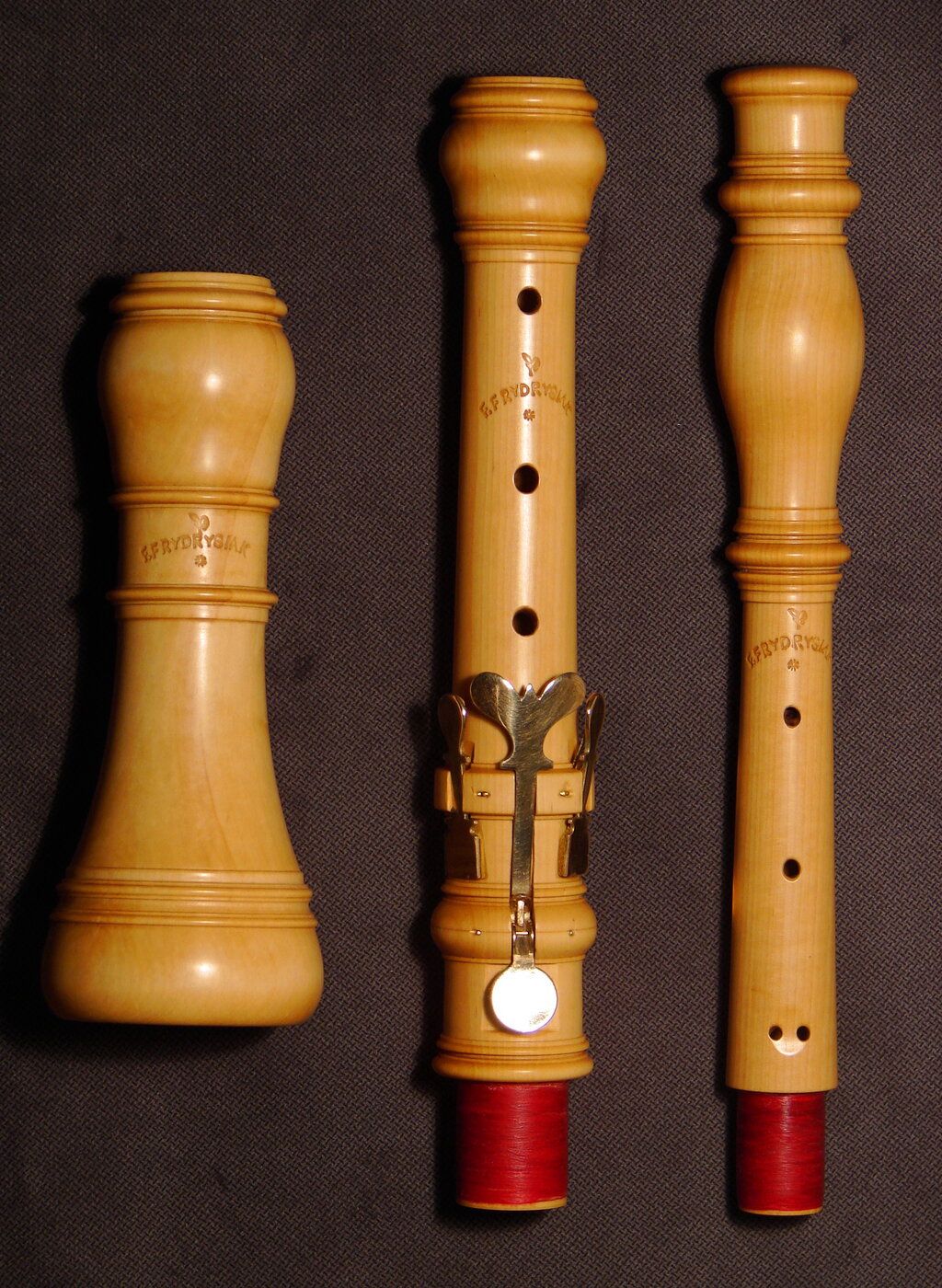
This new instrument, often called the Baroque oboe, was a game-changer. It was made in three sections, or joints, which allowed for more precise manufacturing. The reed was narrower and the bore was slimmer, producing a sweeter, more focused sound. This redesigned instrument quickly gained popularity across Europe, and composers like Bach and Handel began writing beautiful, intricate music for it.
Refining the Oboe
The oboe continued to evolve. Throughout the 18th and 19th centuries, makers added more keys to improve tuning and allow players to navigate difficult musical passages more easily. A key figure in this period was the French oboist Apollon Barret. Working in the mid-19th century, he didn't invent a whole new oboe, but he significantly refined the existing key system. His system made the instrument more logical and ergonomic to play.
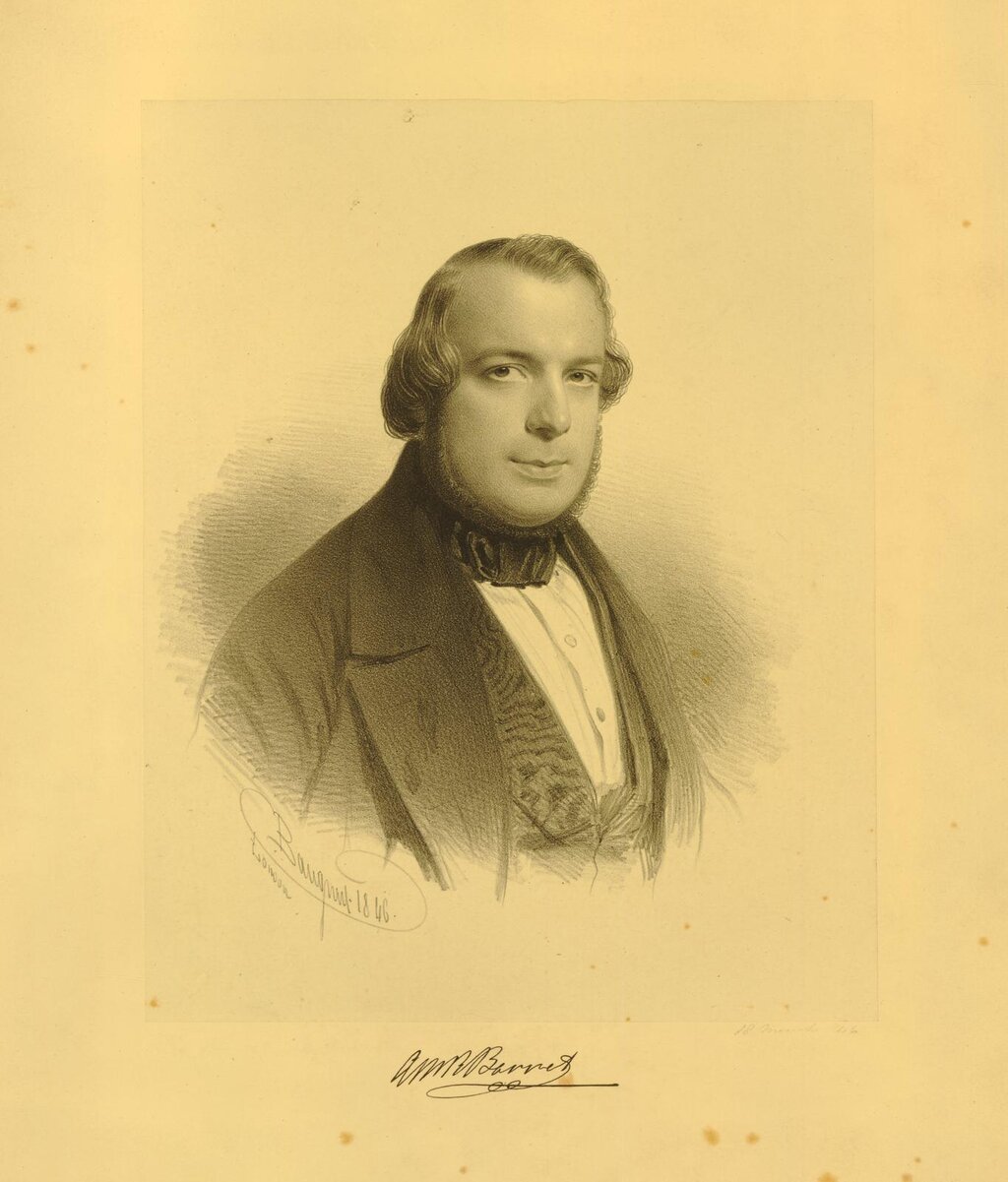
More importantly, Barret wrote "A Complete Method for the Oboe," an influential instructional book that standardized many aspects of oboe playing. His work on both the instrument's mechanics and its pedagogy helped shape the modern oboe and how it's taught. The oboe played in orchestras today is a direct descendant of these historical developments, combining the foundational design of the Baroque hautbois with the mechanical ingenuity of figures like Barret.
Ready to test your knowledge?
Which instrument from ancient Greece is considered an early ancestor of the oboe, sharing the double-reed principle?
The shawm, the immediate predecessor of the oboe, was primarily used for outdoor events and processions because of its __________.
From the loud shawm of medieval festivals to the refined voice of the modern orchestra, the oboe's journey reflects centuries of musical innovation.