The Oboe Explained
Oboe Overview
Meet the Oboe
The oboe is a member of the woodwind family. What makes it special is how it produces sound: through a double reed. This is a small, delicate mouthpiece made from two thin pieces of cane bound together. When a player blows through the reed, the two pieces vibrate against each other at high speed, creating the instrument's unique voice.
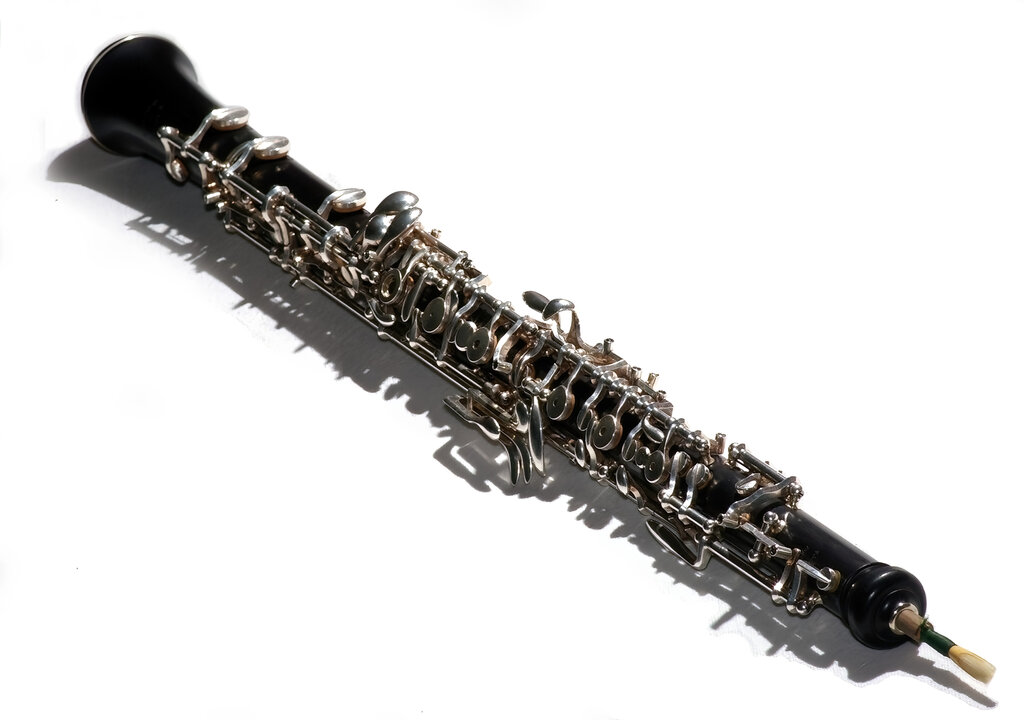
This double-reed system is responsible for the oboe's signature sound. It's often described as clear, penetrating, and a little bit nasal. The tone is focused and stable, which allows it to cut through the sound of a full orchestra without being loud or harsh. Its expressive quality can sound wonderfully mournful one moment and brightly pastoral the next.
The oboe’s sound is often described as penetrating, pastoral, and rich in harmonics, making it a staple in orchestras, chamber music, and solo performances.
The Orchestra's Voice
In an orchestra, the oboe holds a special position. Before a concert begins, you'll often hear a single, clear note ring out above the shuffling of the audience. That's the oboe, playing a concert 'A' for the entire orchestra to tune their instruments to. Why the oboe? Its stable pitch and penetrating tone make it the perfect reference point for all the other musicians.
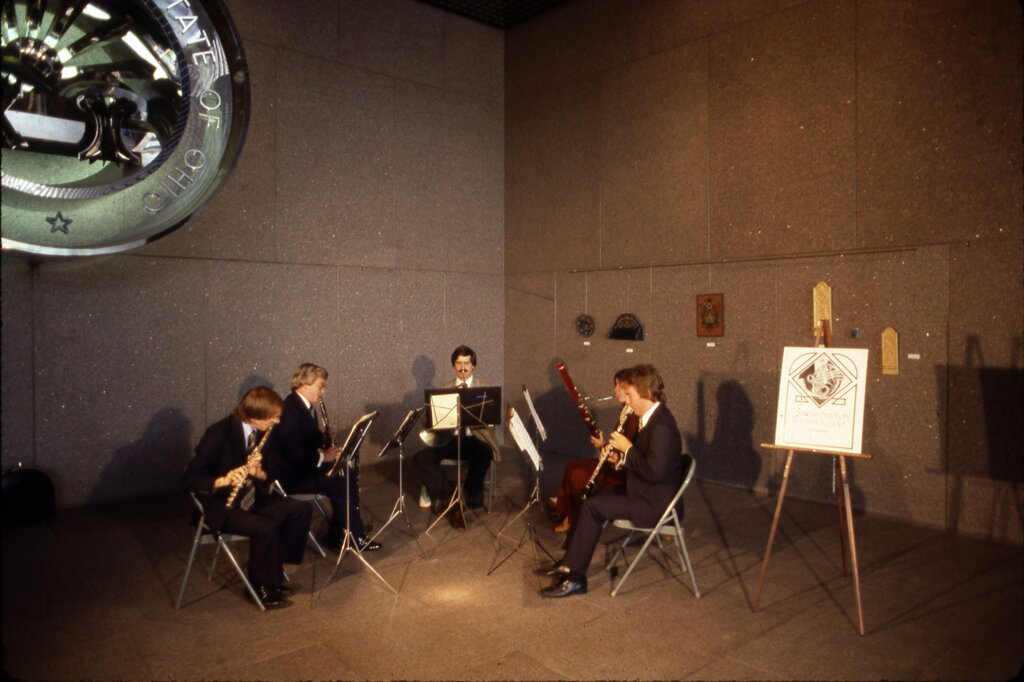
Beyond tuning, the oboe is a key melodic instrument. Composers love its lyrical, singing quality and often give it beautiful solos that soar over the other instruments. It's a leader in the woodwind section, blending with flutes, clarinets, and bassoons to create rich harmonies.
Beyond the Orchestra
While the oboe is a star of classical music, its versatility takes it into many other genres. You can hear it in film scores, where its evocative tone helps set the mood for dramatic or pastoral scenes. It also appears in chamber music, wind ensembles, and even some jazz and pop arrangements.
From baroque concertos to modern movie soundtracks, the oboe's distinctive voice has found a home across centuries of music.
What is the primary component responsible for producing the oboe's unique sound?
Why is the oboe typically chosen to play the tuning note for an orchestra?
Its unique ability to sound both powerful and delicate ensures the oboe remains a vital and beloved instrument in any musical setting.