The Oboe Explained
Oboe Origins
From Shawm to Oboe
Musical instruments don't just appear out of nowhere. They evolve over centuries, changing with musical tastes and technological advances. The oboe's family tree is long, with roots reaching back to ancient double-reed instruments found across the globe. Its most direct European ancestor, however, was an instrument called the shawm.
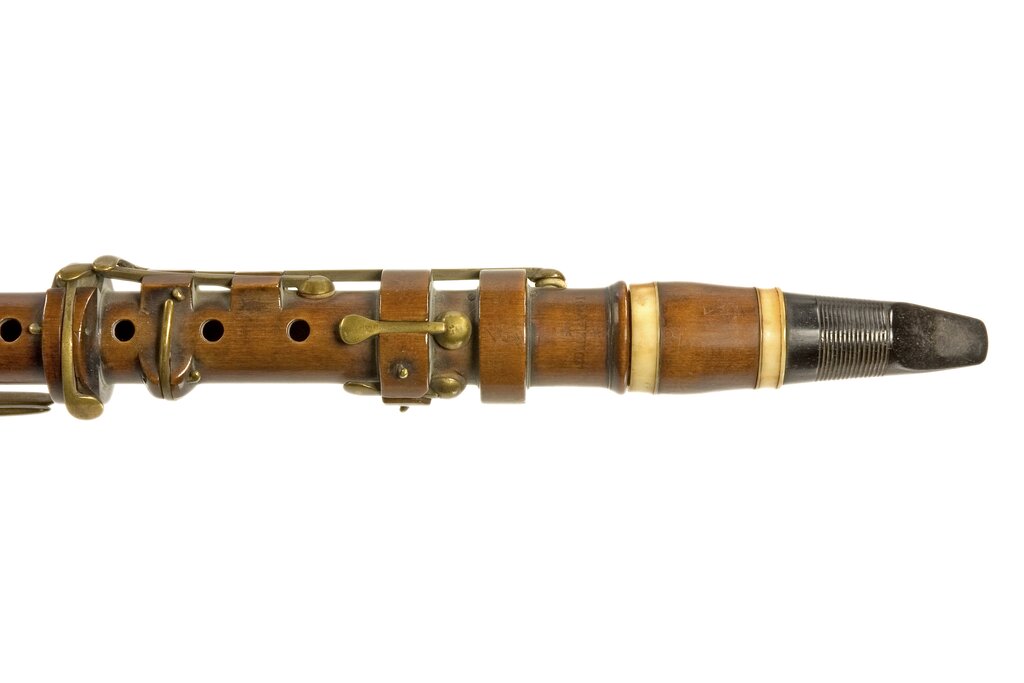
The shawm was a popular instrument during the Medieval and Renaissance periods. With its wide, conical bore and large double reed, it produced a powerful, piercing sound that could carry easily outdoors. This made it perfect for fanfares, processions, and military bands. It was the trumpet of the woodwind world, designed to be heard over the noise of a crowd.
A Refined Voice for the Court
In the mid-17th century, musical life began to move indoors. The opulent courts of Europe, particularly in France under Louis XIV, demanded a more refined and expressive style of music. The shawm, with its loud and somewhat untamed voice, wasn't quite right for the intimate settings of the chamber or the new sounds of the orchestra.
Instrument makers, most famously the Hotteterre family in Paris, began to experiment. They redesigned the shawm, giving it a narrower bore and a smaller, more delicate reed. The result was a new instrument with a sweeter, more focused tone. They called it the hautbois.
High-wood or loud-wood
The name is a bit of a puzzle. It could refer to its high pitch or be a holdover from the loud shawm family. Regardless, this new instrument, which we now call the Baroque oboe, was an instant success. Composers like Jean-Baptiste Lully quickly adopted it into the court orchestra, and its popularity spread across Europe.
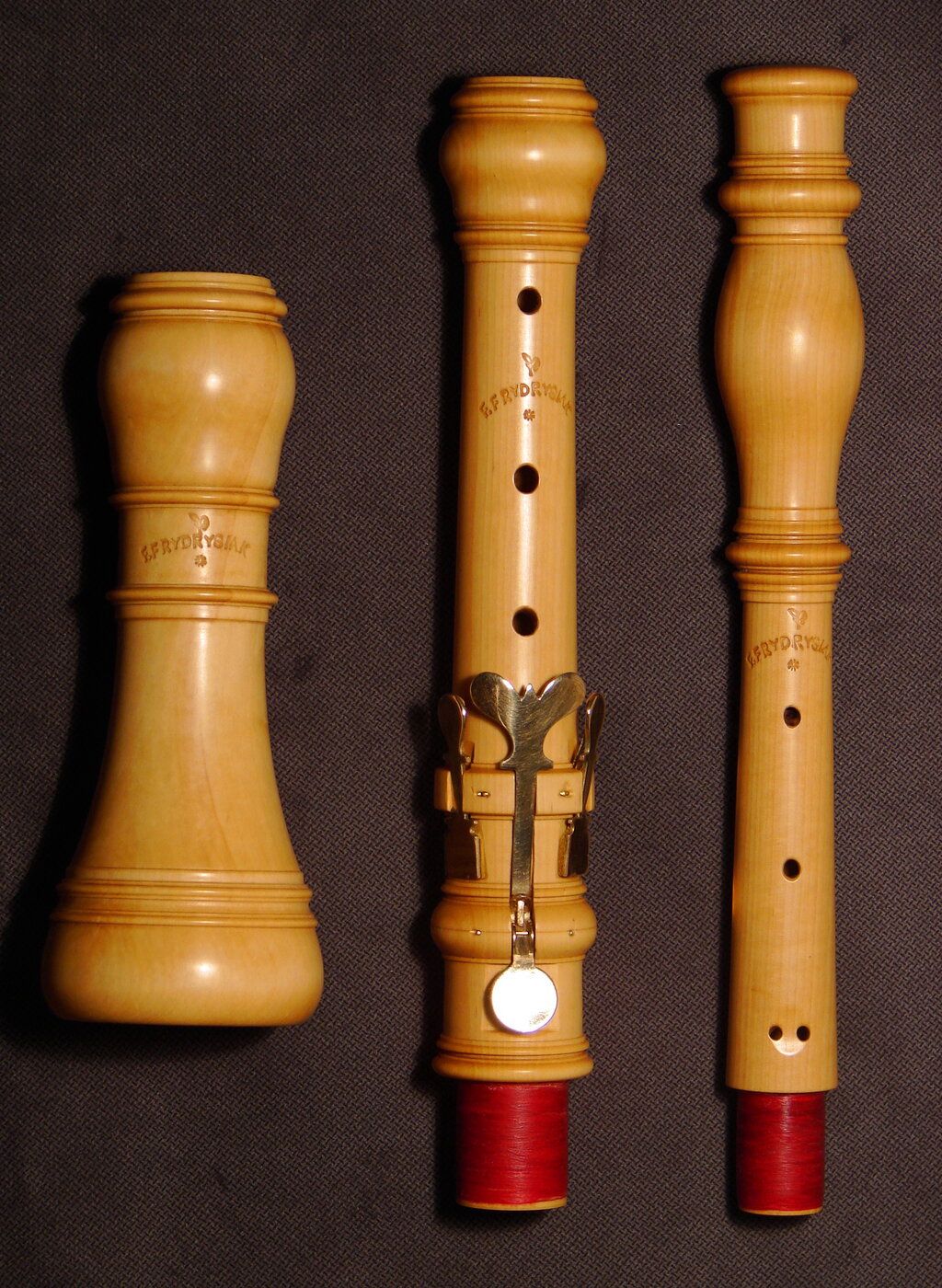
The new instrument was quieter, sweeter, and more agile than its predecessor, perfect for the nuanced music of the Baroque era.
Evolution in Design
Several key innovations transformed the shawm into the Baroque oboe. The most significant changes involved the instrument's construction, reed, and keywork.
One of the most practical changes was building the instrument in three separate sections, or joints: an upper joint, a lower joint, and a bell. A one-piece shawm was difficult to transport and nearly impossible to fine-tune. The three-joint construction made the oboe more portable and allowed for subtle adjustments to its pitch.
The reed was also drastically scaled down. Oboists could control the smaller reed with their lips, allowing for a much wider range of dynamics and tone colors. This was a major step forward in expressiveness. Finally, while early shawms had few keys, the first oboes incorporated two or three keys, expanding the instrument's range and making it easier to play technically demanding passages.
| Feature | Shawm | Baroque Oboe (Hautbois) |
|---|---|---|
| Sound | Loud, piercing | Softer, more refined |
| Primary Use | Outdoors, ceremonies | Indoors, chamber music |
| Construction | Usually one piece | Three sections (joints) |
| Reed | Large and wide | Small and narrow |
| Keys | Few or none | Two or three |
These 17th-century developments laid the essential groundwork for the instrument we know today. The oboe would continue to evolve, gaining more keys and undergoing further refinements, but its fundamental character as an expressive, lyrical voice was born in the workshops of Baroque Paris.
Ready to test your knowledge?
What was the most direct European ancestor of the modern oboe?
The shawm was primarily designed for loud, outdoor settings like processions and military bands.