The Oboe Explained
Oboe Origins
From Shawm to Symphony
The oboe's distinctive, song-like voice didn't appear overnight. Its story begins with ancient double-reed instruments found across the globe. The most direct ancestor, however, was a loud and powerful instrument popular during the Renaissance called the shawm.
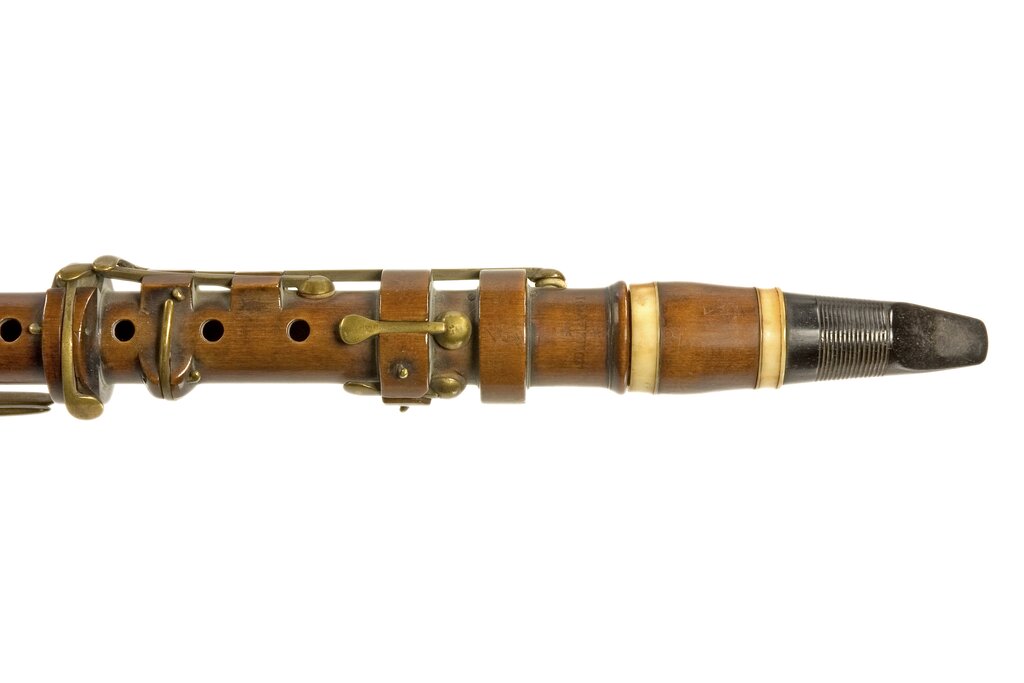
Shawms were primarily outdoor instruments, used in military bands and for public ceremonies. Their sound was piercing and brilliant, designed to carry over long distances. But as music moved indoors into the courts and concert halls of the Baroque period (around 1600-1750), composers and musicians needed something more refined and expressive.
shawm
noun
A medieval and Renaissance wind instrument, forerunner of the oboe, with a double reed enclosed in a wooden mouthpiece, and a conical bore.
French instrument makers in the mid-17th century began to experiment. They took the basic design of the shawm and made crucial changes. They narrowed the instrument's bore, creating a more focused and less strident tone. They also divided the body into three sections, which allowed for more precise manufacturing. Most importantly, they refined the reed, giving the player much greater control over dynamics and pitch.
This new instrument was called the hautbois, French for "high wood" or "loud wood." This name eventually became the English "oboe."
A New Voice for the Orchestra
The Baroque oboe was an immediate success. Composers like Jean-Baptiste Lully and Henry Purcell quickly adopted it into their orchestras. Its sound was sweet yet penetrating, capable of both soaring melodies and delicate ornamentation. It blended beautifully with strings and could also stand out for a solo.
Over the next century and a half, the oboe continued to evolve. Instrument makers added more keys, which allowed players to play more notes with better intonation and greater ease. This mechanical development expanded the instrument's technical possibilities.
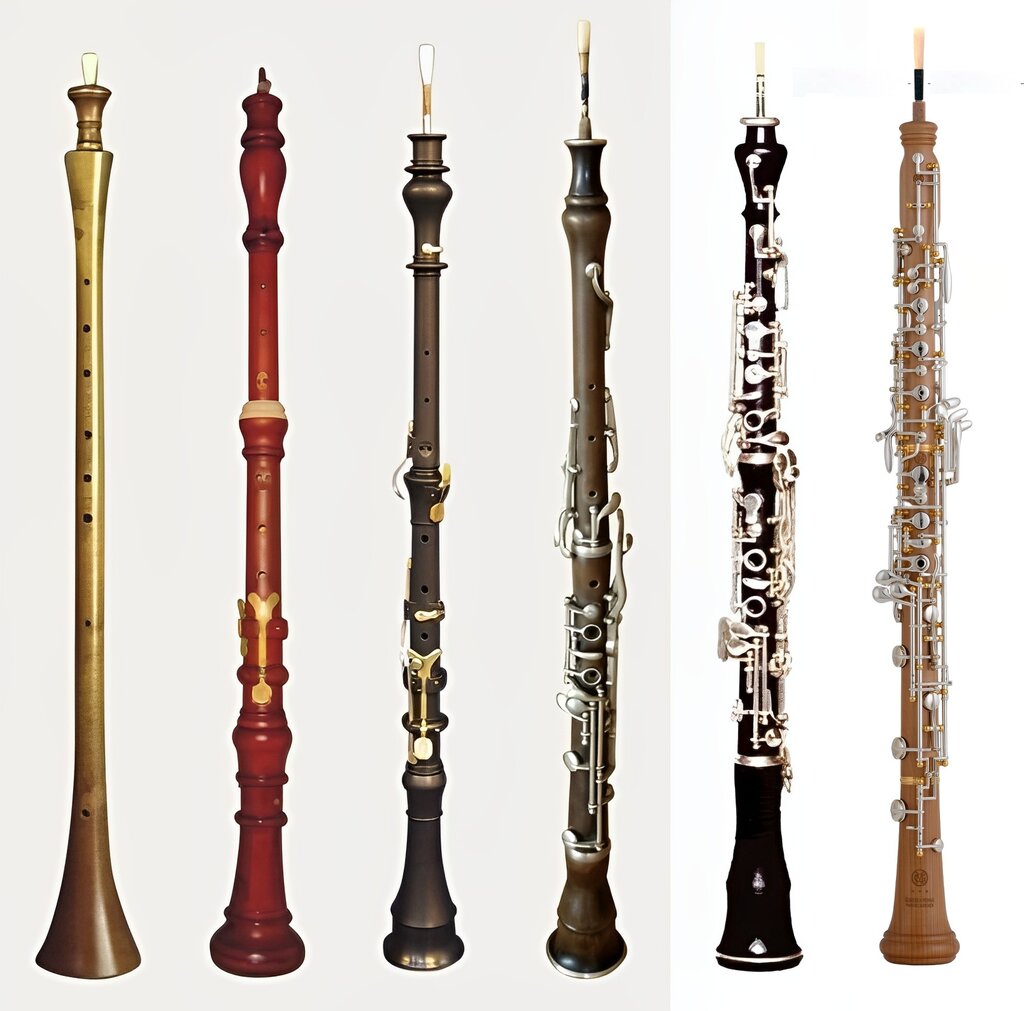
By the time of the Classical and Romantic periods, the oboe was a permanent and essential member of the symphony orchestra. Composers from Mozart to Beethoven to Tchaikovsky relied on its expressive voice to convey moments of tenderness, melancholy, and pastoral beauty. They wrote challenging solos and beautiful melodic lines specifically for the instrument, knowing its unique timbre could deliver emotion like no other.
Its stable pitch and clear tone also gave it a special job: tuning the orchestra. Before a concert begins, you'll hear a single note ring out, played by the principal oboist. All the other musicians tune their instruments to that note, a tradition that continues to this day.
Let's review some key terms from the oboe's history.
Now, check your understanding of the oboe's development.
What Renaissance instrument is considered the most direct ancestor of the oboe?
The primary reason for developing the oboe from the shawm was to create a louder instrument for outdoor military use.
From its loud outdoor origins to its refined place in the heart of the orchestra, the oboe's journey is a story of adaptation and artistry. Its transformation reflects the changing sounds and demands of Western music itself.