The Oboe Explained
Oboe Origins
From Loud Horn to Sweet Woodwind
Long before the oboe, there was the shawm. This double-reed instrument was popular across Asia and Europe for centuries. Shawms were known for their loud, piercing sound, which made them perfect for outdoor events like military parades and town festivals. They had a conical bore, meaning the inside tube gradually widened from top to bottom, which gave them a powerful, trumpet-like projection.
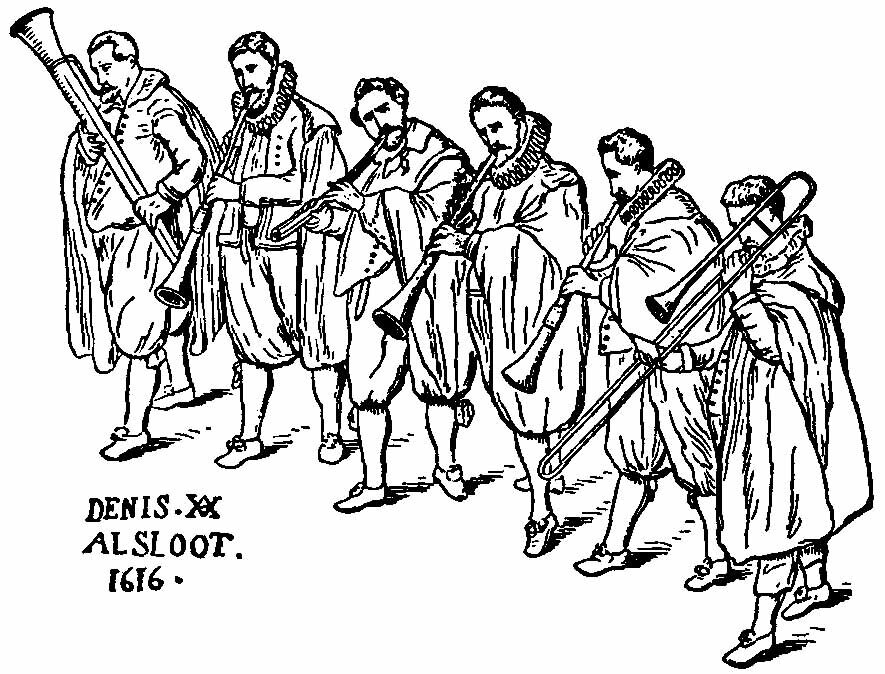
As music moved indoors to the courts and chambers of 17th-century France, tastes changed. The loud, raw sound of the shawm was too overpowering for the refined atmosphere of the ballet and opera. Composers and musicians needed an instrument with a sweeter, more controlled tone.
Enter the Hotteterre family, a famous group of Parisian woodwind makers. Around the 1650s, they redesigned the shawm. They made the bore narrower, reduced the size of the reed, and split the instrument into three jointed sections. This new creation was called the hautbois, French for “high wood.” It was quieter, more expressive, and capable of a much wider dynamic range than its boisterous ancestor.
The key transformation was simple: the shawm was an outdoor voice, while the new hautbois was designed to sing indoors.
A Voice in the Orchestra
The hautbois, which would become known as the oboe, was an instant success. Its sound was clear, penetrating, and uniquely expressive, often compared to the human voice. Composers like Jean-Baptiste Lully immediately began writing it into their orchestral scores for the court of King Louis XIV.
The oboe's reliable pitch and distinct tone made it stand out, even among a full ensemble. It could easily cut through the sound of the strings to carry a beautiful melody. Because its pitch is stable and less affected by temperature than string instruments, it quickly became the instrument the entire orchestra tunes to. The concertmaster asks the principal oboist to play an 'A,' and all the other musicians adjust their instruments to match.
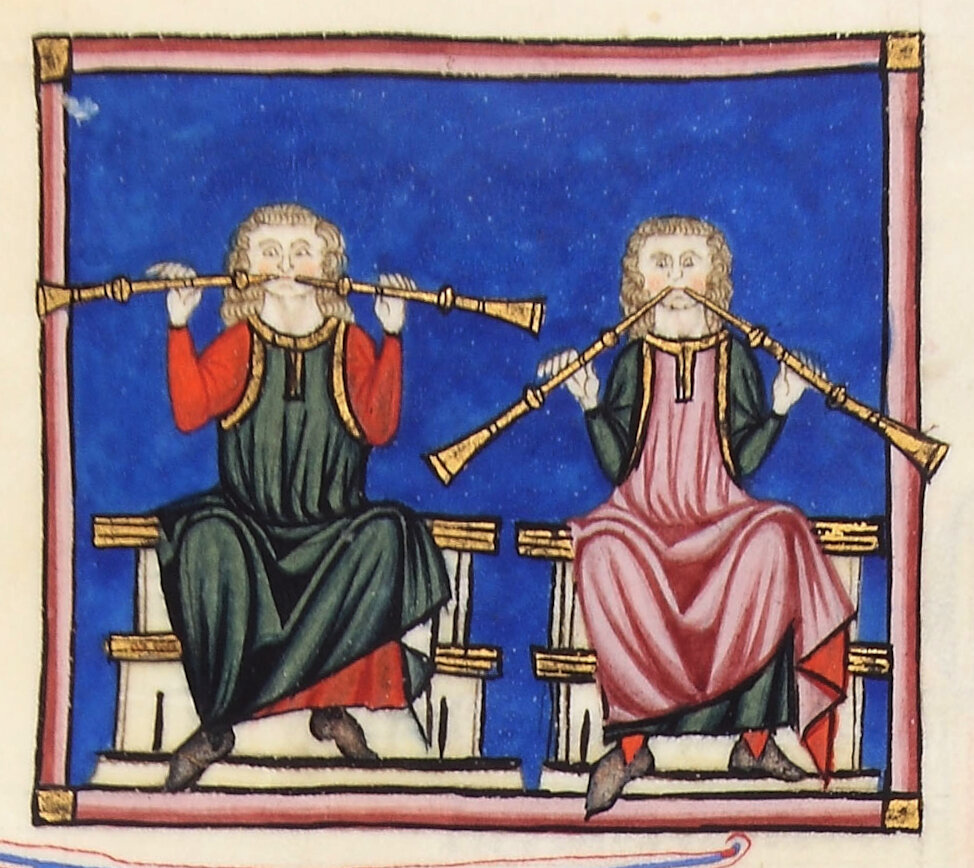
From the French court, the oboe's popularity spread across Europe. Composers like Bach, Handel, and Vivaldi fell in love with its poignant sound, giving it prominent solos in their concertos and cantatas. The instrument that began as a refined shawm had found its permanent place as a soloistic and essential voice in the orchestra.