The Oboe Explained
Oboe Origins
From Reed Pipes to Royal Courts
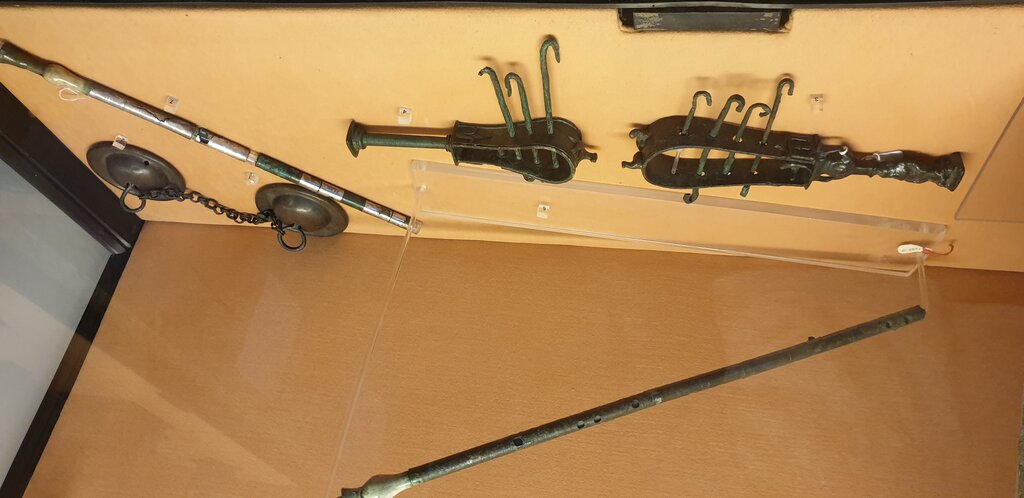
The oboe's story begins long before concert halls existed. Its earliest ancestors were double-reed pipes played thousands of years ago. In ancient Greece, an instrument called the aulos was common. It consisted of two pipes played together, each with a reed. The Romans had a similar instrument called the tibia. These weren't subtle instruments; their powerful, reedy sounds were used in religious ceremonies, festivals, and even to keep soldiers marching in step.
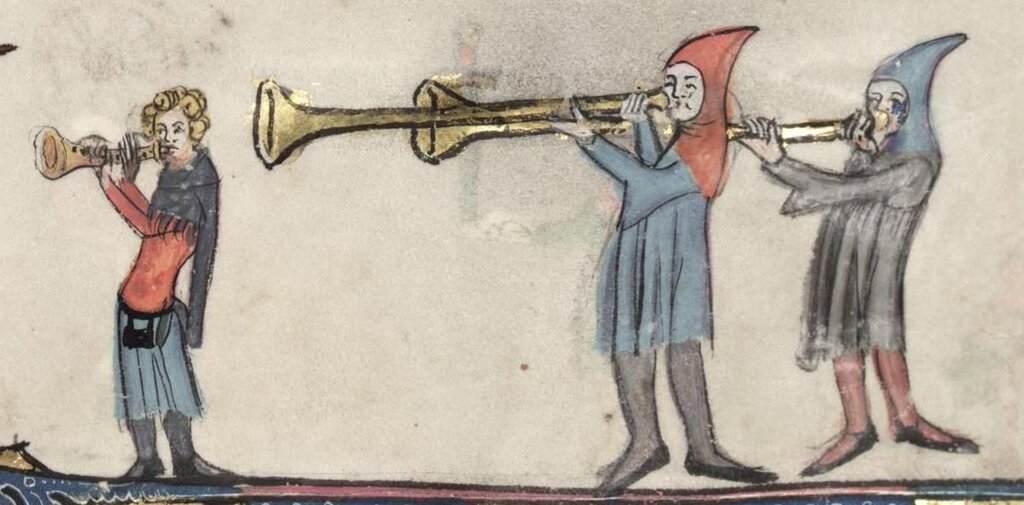
Fast forward to the Middle Ages, and the oboe's most direct ancestor appears: the shawm. Like its predecessors, the shawm was loud and built for the outdoors. It had a conical bore, meaning it got wider from the mouthpiece to the end, and a piercing tone that could cut through the noise of a bustling town square or a battlefield. Shawms were mainstays of military bands and outdoor celebrations for centuries.
The Baroque Makeover
By the mid-17th century, music was moving indoors. The grand, noisy shawm wasn't suited for the refined tastes of the French royal court under King Louis XIV. Composers and musicians wanted an instrument with a sweeter tone, a wider range of notes, and more dynamic control.
Enter a family of brilliant instrument makers, the Hotteterres. Working alongside musicians like Michel Philidor, Jean Hotteterre is credited with transforming the shawm. They narrowed the bore, refined the reed, and, most importantly, divided the instrument into three separate sections, or joints. This allowed for more precise carving and tuning.
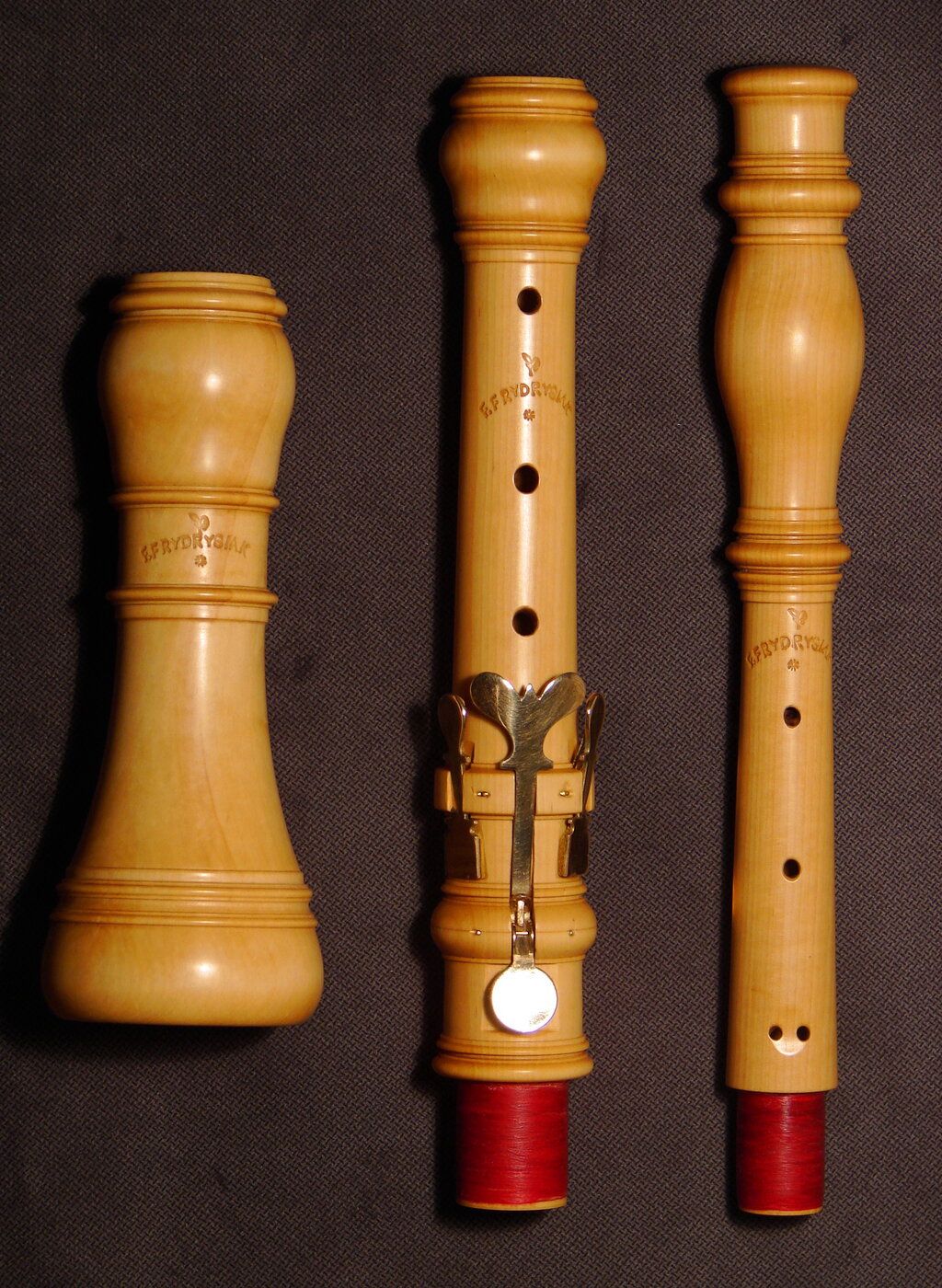
They also added keys, allowing the player to reach notes that were previously difficult or impossible. The result was a new instrument with a much more elegant and expressive voice. The French called it the hautbois.
High-wood or loud-wood
This new instrument was an instant success. Its vocal, nuanced sound was perfect for the new style of Baroque music, and it quickly spread from France to courts and cities across Europe.
A Seat in the Orchestra
The rise of the hautbois coincided with the birth of the modern orchestra. Composers were quick to see its potential. Jean-Baptiste Lully, the master of the French court's orchestra, was one of the first to include the new instrument, giving it prominent melodic lines in his operas and ballets.
The oboe's clear, stable pitch also made it the ideal instrument for tuning the entire orchestra. By the late 17th century, the oboe had secured a permanent place in the woodwind section. Its journey from the loud, outdoor shawm to a refined orchestral soloist was complete, setting the stage for centuries of beautiful music to come.
What was the direct ancestor of the oboe, known for its loud, piercing tone suitable for outdoor events?
What was the primary cultural shift that drove the development of the oboe from the shawm?