The Oboe Explained
Oboe Origins
From Shawm to Oboe
The story of the oboe begins long before the instrument we know today. Its direct ancestor is the shawm, a double-reed instrument popular in Europe from the medieval period through the Renaissance. The shawm was known for its powerful, piercing sound, which made it perfect for outdoor events, processions, and military bands. It had a conical bore, like the oboe, but it was much wider, and the reed was larger and less refined.
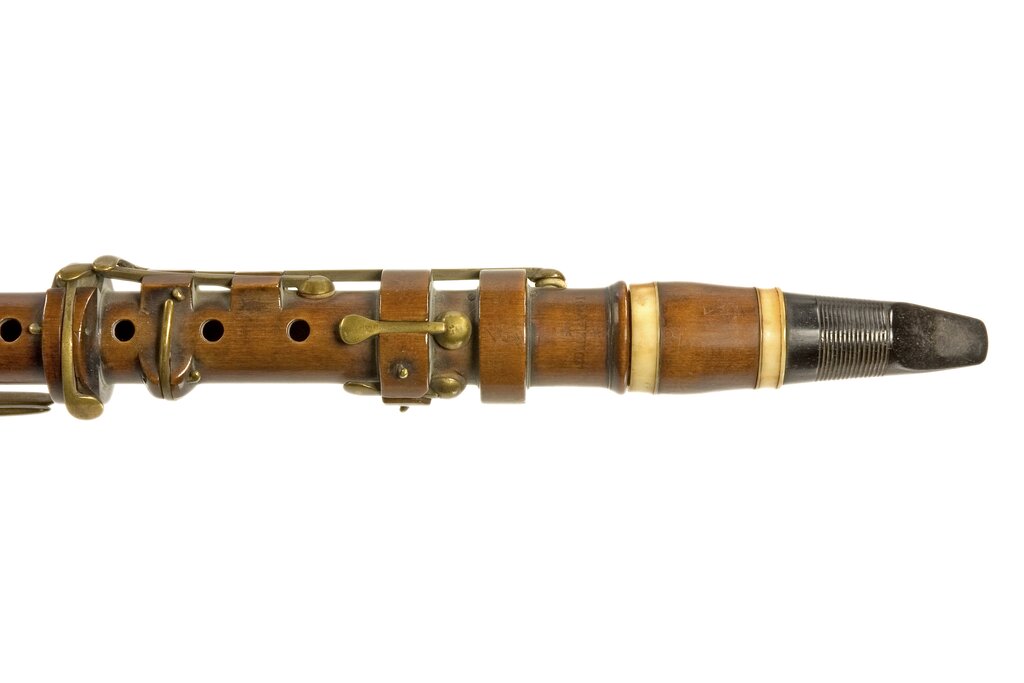
The shawm's loud, trumpet-like tone was its defining feature. Players didn't place their lips directly on the reed. Instead, they used a wooden disc called a pirouette, which allowed them to blow hard without their lips tiring. This technique gave the instrument immense volume but offered little control over dynamics or tone color. It was an instrument for being heard over a crowd, not for subtle musical expression in a concert hall.
A French Reinvention
The transformation from the boisterous shawm to the elegant oboe took place in 17th-century France, likely at the court of King Louis XIV. Musicians and instrument makers, such as the famous Hotteterre family, began experimenting with the shawm's design. They sought a more refined instrument that could blend with strings and other softer instruments in the newly emerging orchestra.
The oboe originated in France during the mid-17th century, evolving from earlier instruments like the shawm.
This new instrument, called the hautbois (French for "high wood"), had several key innovations. The bore was narrowed, the reed was made smaller and more delicate, and the body was constructed in three sections instead of one solid piece. This segmented design made the instrument more portable and allowed for more precise manufacturing. Players now placed their lips directly on the reed, giving them far greater control over the sound.
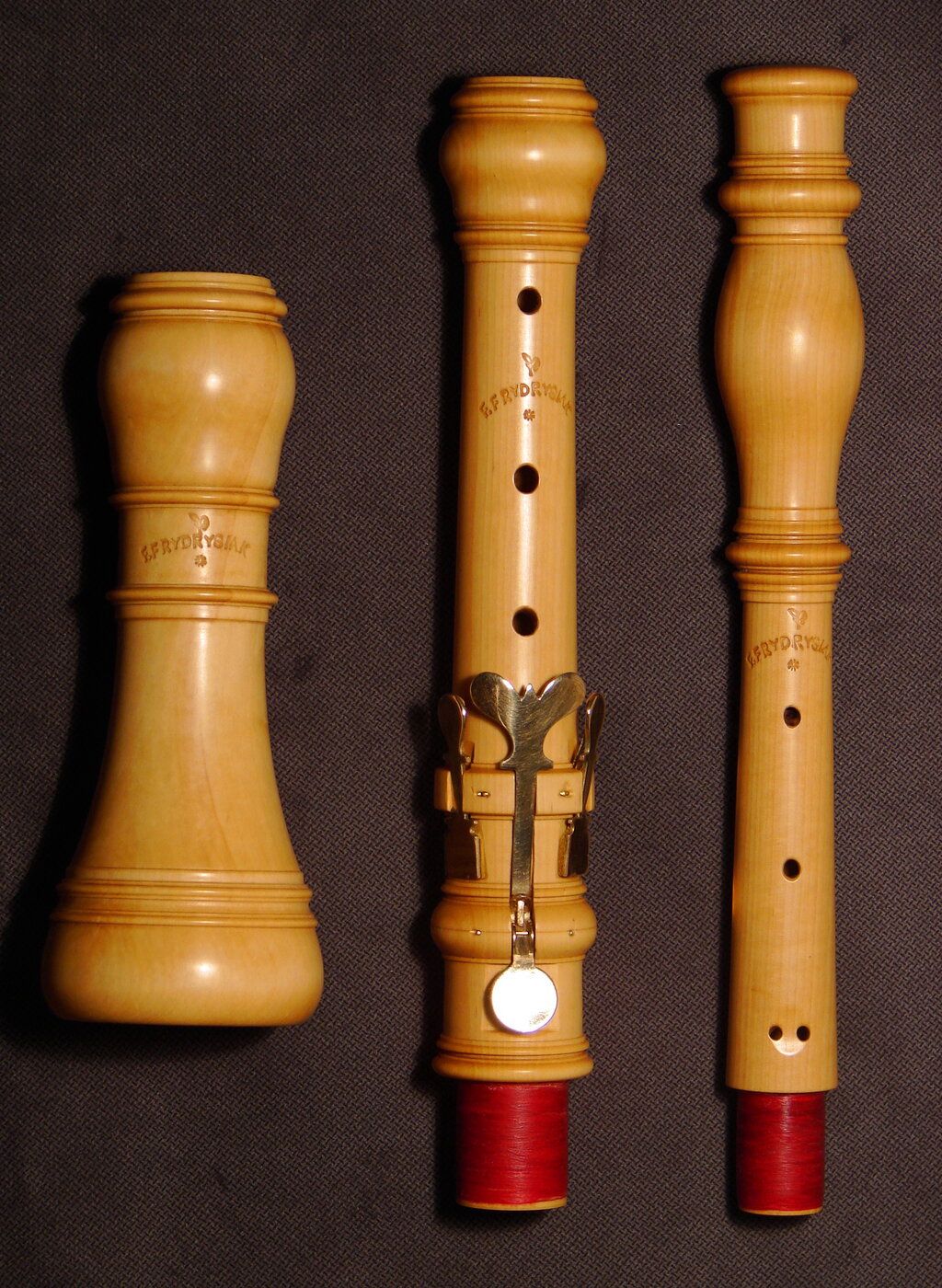
The result was a sweeter, more expressive tone suitable for indoor chamber music and orchestral settings. The Baroque oboe, as it's now known, was an instant success and quickly spread across Europe, becoming a favorite of composers like Bach, Handel, and Vivaldi.
| Feature | Shawm | Baroque Oboe |
|---|---|---|
| Sound | Loud, piercing | Sweet, expressive |
| Use | Outdoors, military bands | Orchestra, chamber music |
| Bore | Wide conical | Narrow conical |
| Reed | Large, uncontrolled | Small, controlled by lips |
| Body | One piece | Three sections |
The Path to Modernity
The oboe continued to evolve after the Baroque era. The most significant changes occurred during the 19th century, when instrument makers began adding a complex system of keys. The early Baroque oboe had only a few keys, which limited the notes it could play easily and in tune. Adding more keys allowed players to navigate all musical scales with greater ease and precision.
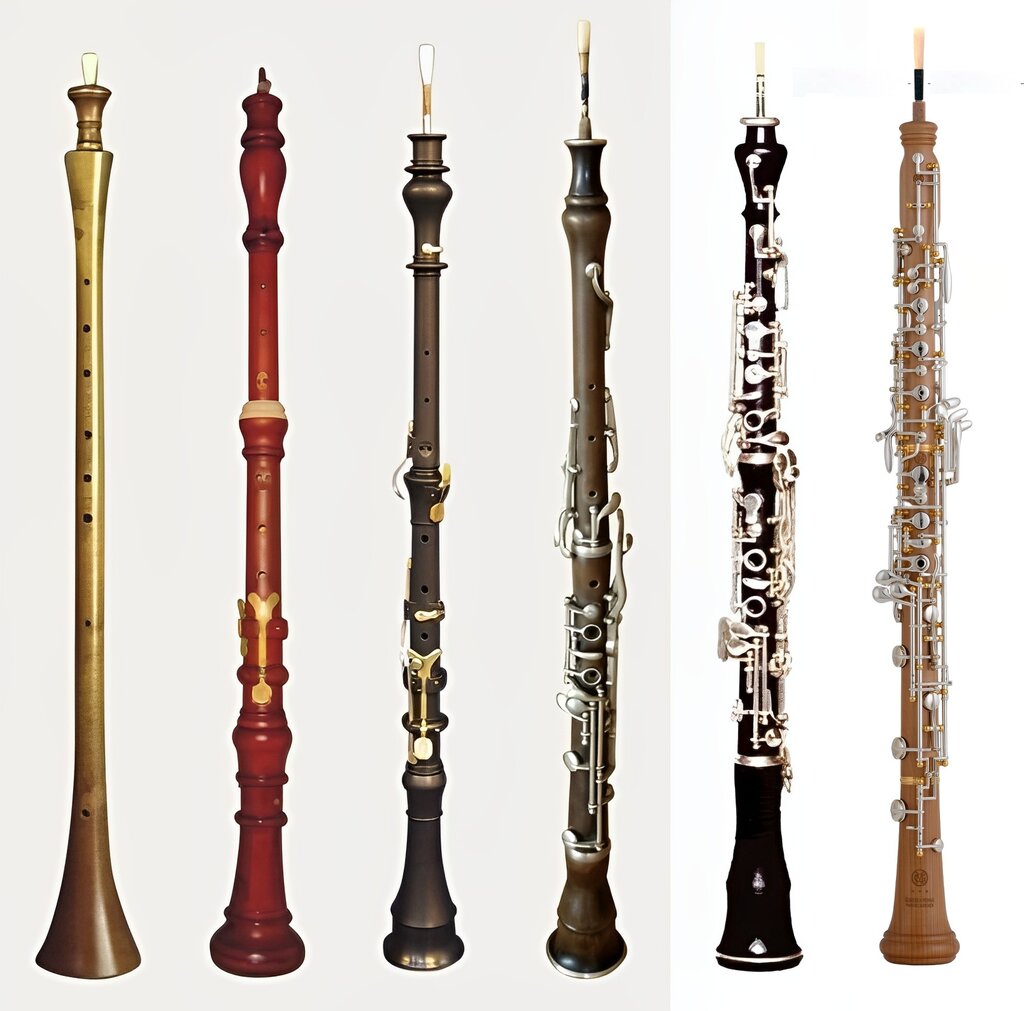
Instrument makers like the Triébert family in Paris were pioneers in developing this modern key system. Their work led to the conservatory-system oboe that is standard today. These mechanical improvements stabilized the oboe's tuning and expanded its technical capabilities, solidifying its essential role as a principal voice in the symphony orchestra, where it is often trusted to give the tuning 'A' for all the other instruments.
Ready to test your knowledge?
What is the direct ancestor of the modern oboe?
Why was the shawm well-suited for outdoor events and military bands?
From its rustic beginnings as the shawm to its refinement in the French court, the oboe's journey reflects the changing landscape of Western music.