The Oboe Explained
Oboe History
From Shawm to Hautboy
The story of the oboe begins in the mid-17th century, but its roots go back further. Its ancestor was the shawm, a loud, powerful double-reed instrument popular during the Renaissance. Shawms were perfect for outdoor processions and large gatherings, but their piercing tone wasn't subtle enough for indoor court music.
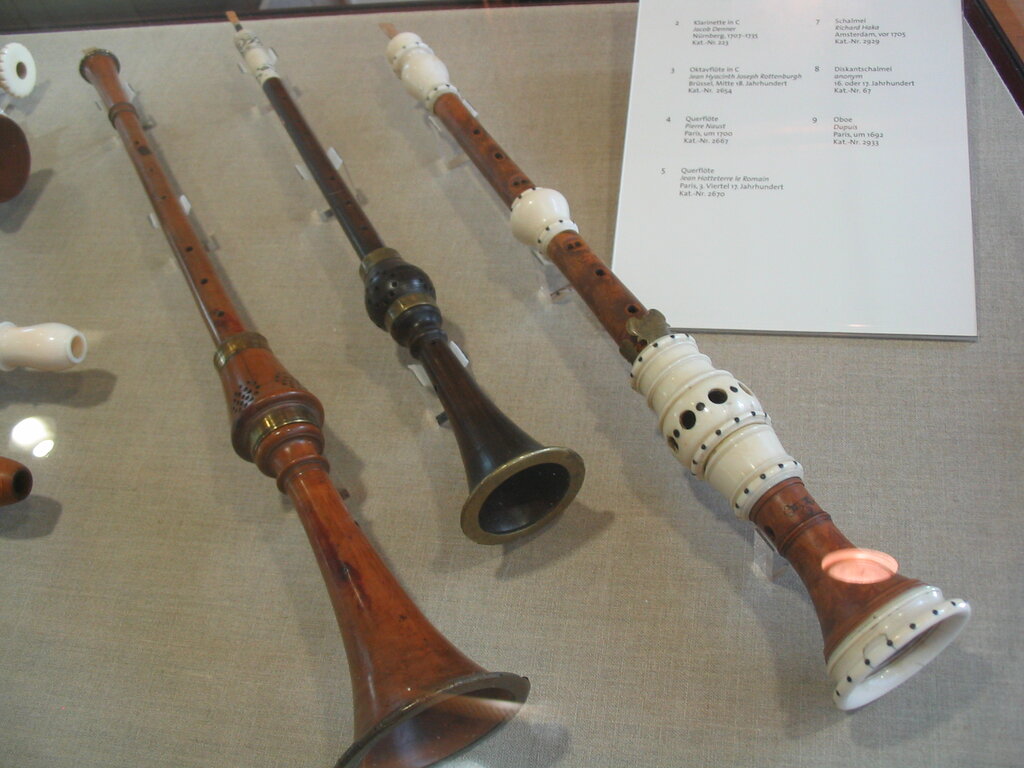
French instrument makers in the court of Louis XIV took on the challenge of refining the shawm. They narrowed the instrument's bore, reduced the size of the finger holes, and designed a more controlled reed. The result was a new instrument with a sweeter, more expressive tone. They called it the hautboy, meaning "high wood" or "loud wood."
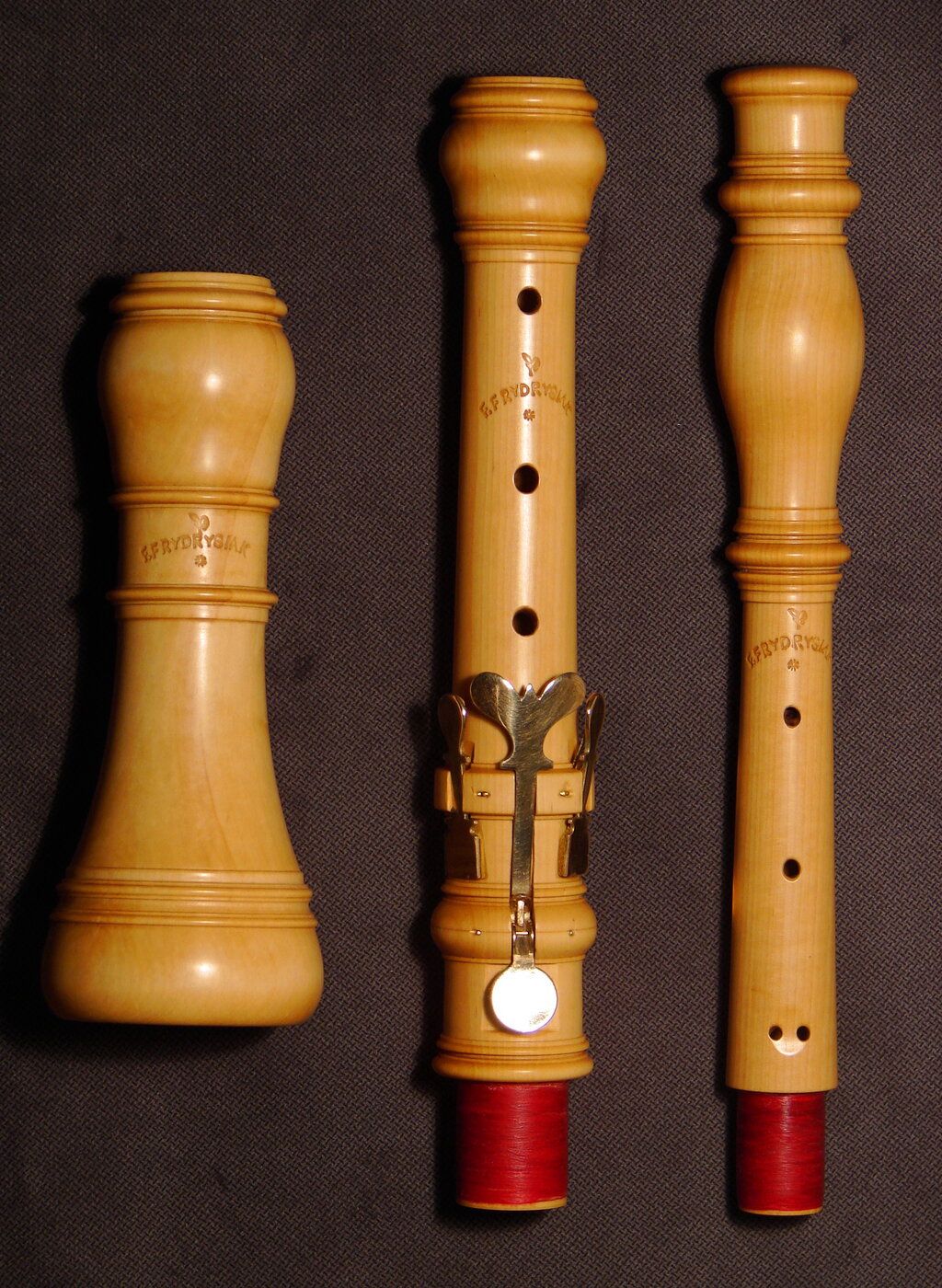
Unlike the shawm, which was typically made from a single piece of wood, the new hautboy was constructed in three sections, or joints. This made it more portable and allowed for more precise manufacturing, improving its tuning and consistency.
A Place in the Ensemble
The hautboy's refined voice made it an instant star. Composers like Jean-Baptiste Lully quickly integrated it into the orchestra, where its clear, penetrating sound could carry a melody over the strings. It became one of the first woodwind instruments to secure a permanent spot in the orchestra.
Its versatility also made it a staple in military bands, where it often replaced the shriller shawms. The instrument provided melodic leadership and could be heard clearly in outdoor settings, bridging the gap between ceremonial and concert music.
The Growing Family
As composers began to explore the oboe's potential, they desired a wider range of colors and pitches. This led to the creation of new instruments in the oboe family.
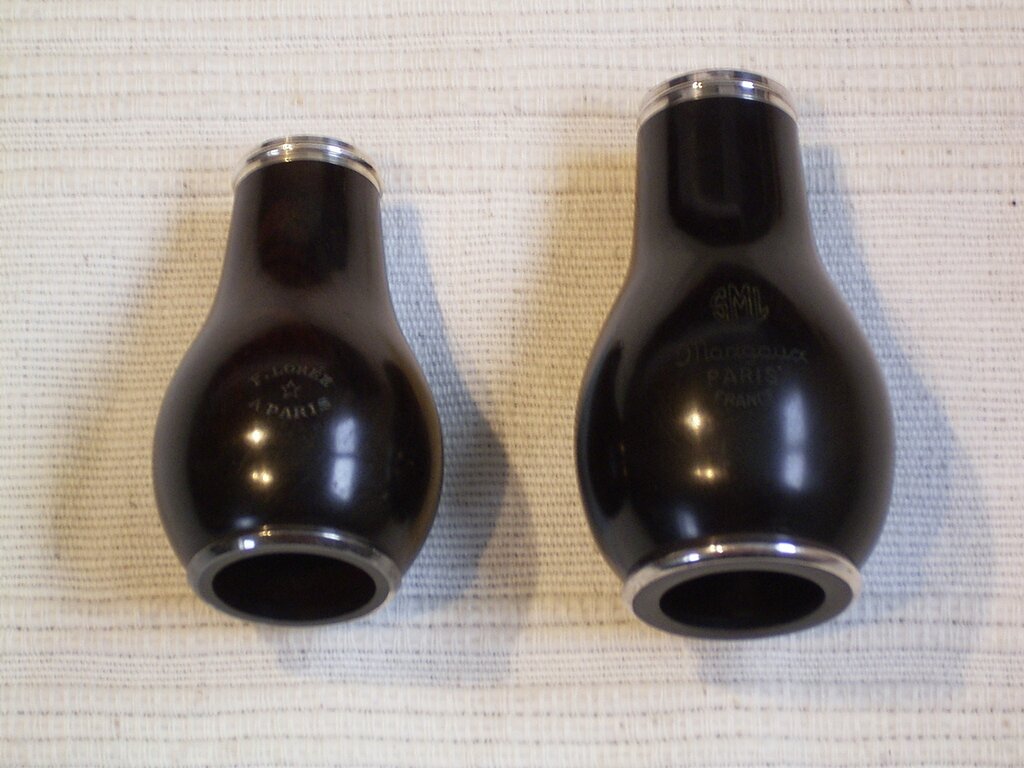
The oboe d'amore, or "oboe of love," emerged around 1720. It is slightly larger than a standard oboe, with a pear-shaped bell that gives it a warmer, more tranquil sound. Johann Sebastian Bach was particularly fond of this instrument.
A few years later, the cor anglais, or English horn, appeared. Pitched lower than the oboe and oboe d'amore, this instrument has a distinctly mellow and melancholic tone, also due to its characteristic pear-shaped bell. It became a favorite for poignant solos in the Romantic era.
Mechanical Evolution
The Baroque oboe was a simple instrument, usually having only two or three keys. While agile in some musical keys, it was challenging to play in others. Throughout the 18th and 19th centuries, makers continuously added keys to improve tuning and give the player access to more notes.
This gradual evolution culminated in the modern oboe. Today's instrument is a marvel of engineering, with a complex system of keys, levers, and pads that allows musicians to play with incredible precision and agility across the instrument's entire range. This intricate mechanism is the result of centuries of innovation, transforming the simple hautboy into the instrument we know today.
Let's review some of the key instruments in the oboe's history.
Now, check your understanding of the oboe's journey through time.
What instrument is considered the direct ancestor of the oboe?
The early oboe, or hautboy, was developed in the French court of which monarch?
From a loud outdoor instrument to a refined orchestral soloist, the oboe's history is one of constant innovation. Each change in its design opened up new musical possibilities, securing its place as one of the most expressive voices in the orchestra.