The Oboe Explained
Oboe Origins
From Shawm to Hautbois
The story of the oboe begins long before the instrument had its name. Its ancestor was the shawm, a loud and powerful double-reed instrument popular across Europe since the Middle Ages. Shawms were often played outdoors for festivals and military events because their piercing, trumpet-like sound could carry over long distances.
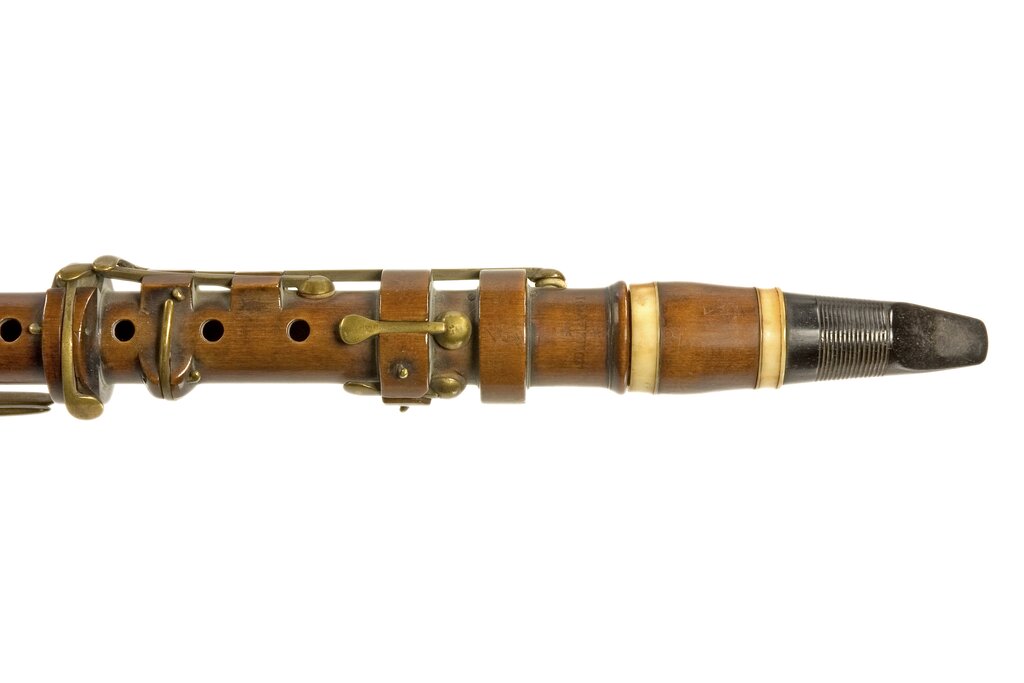
shawm
noun
A medieval and Renaissance wind instrument, forerunner of the oboe, with a double reed, a conical bore, and a loud, piercing tone.
However, as music moved indoors into the courts and chambers of the aristocracy, composers and musicians sought instruments with more nuance and refinement. The shawm was simply too brash for this intimate setting. French instrument makers in the mid-17th century, likely members of the Hotteterre family, began experimenting. They narrowed the shawm's bore, reduced the size of its reed, and split the instrument into three sections, making it more portable and easier to tune.
This new, softer instrument was called the hautbois (French for “high wood”). It was the direct predecessor of the modern oboe and the first instrument of its kind to earn a regular place in the orchestra.
The Baroque Star
The Baroque period (roughly 1600–1750) was the oboe's golden age. The newly invented hautbois, or Baroque oboe, was a sensation. It had a warm, expressive tone that composers like Bach, Vivaldi, and Handel adored. Unlike the shawm, it could play soft, lyrical melodies, blending beautifully with strings and other woodwinds.
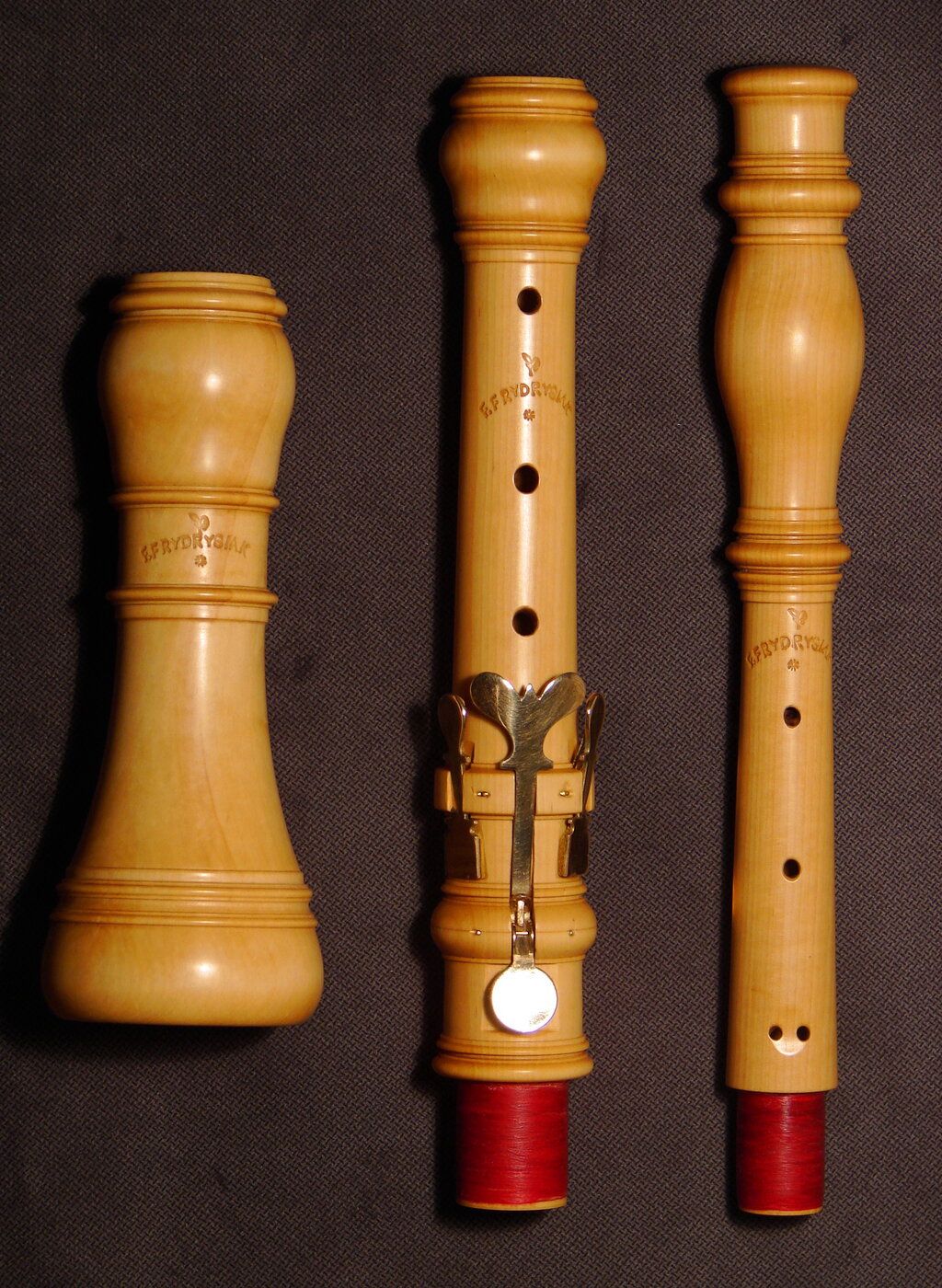
Baroque oboes typically had only two or three keys, which meant players relied on complex fingerings to play notes outside the main scale. Despite these limitations, the instrument became a staple in orchestras and chamber ensembles. It was often given prominent solo passages that showed off its vocal, song-like quality. The oboe's reliable pitch also made it the standard instrument for tuning the entire orchestra, a tradition that continues today.
Becoming the Modern Oboe
As music evolved into the Classical and Romantic eras, orchestras grew larger and concert halls became bigger. Composers began writing more technically demanding music that required a wider range of notes and dynamics. The simple Baroque oboe needed to adapt.
Throughout the 19th century, makers added more keys to the instrument. This new keywork made it easier to play in different keys and produce a more consistent tone across all registers. The bore and reed were further refined to create a focused, stable, and more powerful sound that could project in a large symphony orchestra. By the end of the century, the instrument had transformed into the modern oboe we recognize today, with its complex system of keys and rods.
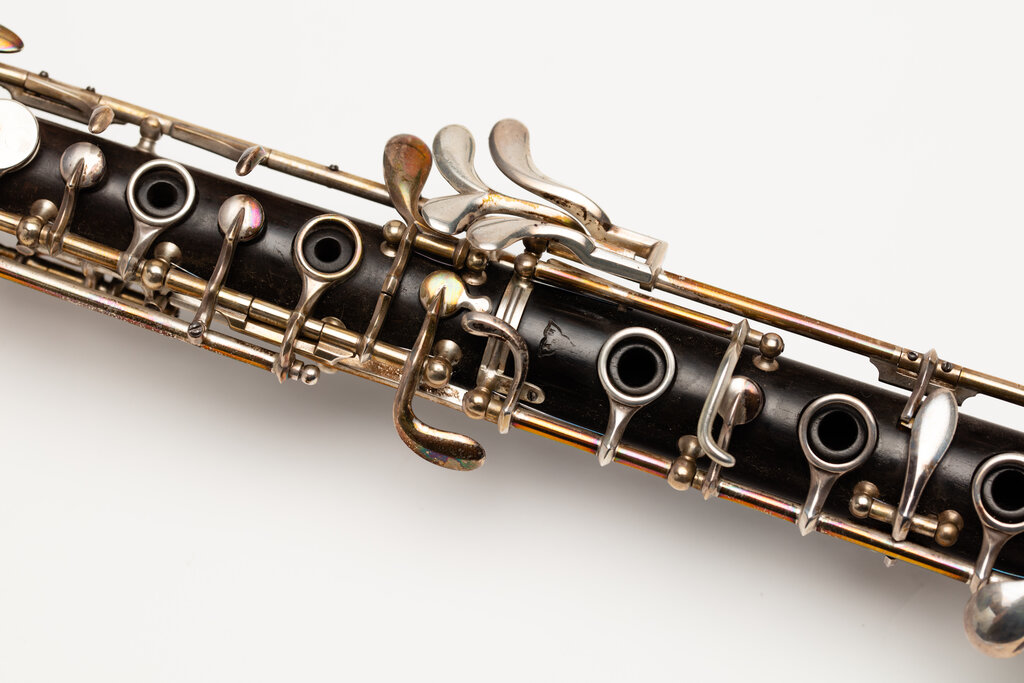
This evolution allowed the oboe to maintain its important role. In Classical symphonies by Mozart and Haydn, it provided elegant melodies. In the Romantic works of Brahms and Tchaikovsky, its poignant voice was used for some of the most memorable solos in orchestral music. From its rustic beginnings as the shawm to its current place as a refined orchestral soloist, the oboe's journey reflects the changing landscape of Western music.
Time to review the key terms from the oboe's history.
Let's check your understanding of the oboe's evolution.
What is the name of the loud, double-reed instrument that is considered the direct ancestor of the oboe?
Why was the oboe developed from the shawm in the mid-17th century?
Now you know how a loud medieval instrument transformed into one of the orchestra's most distinct and expressive voices.